







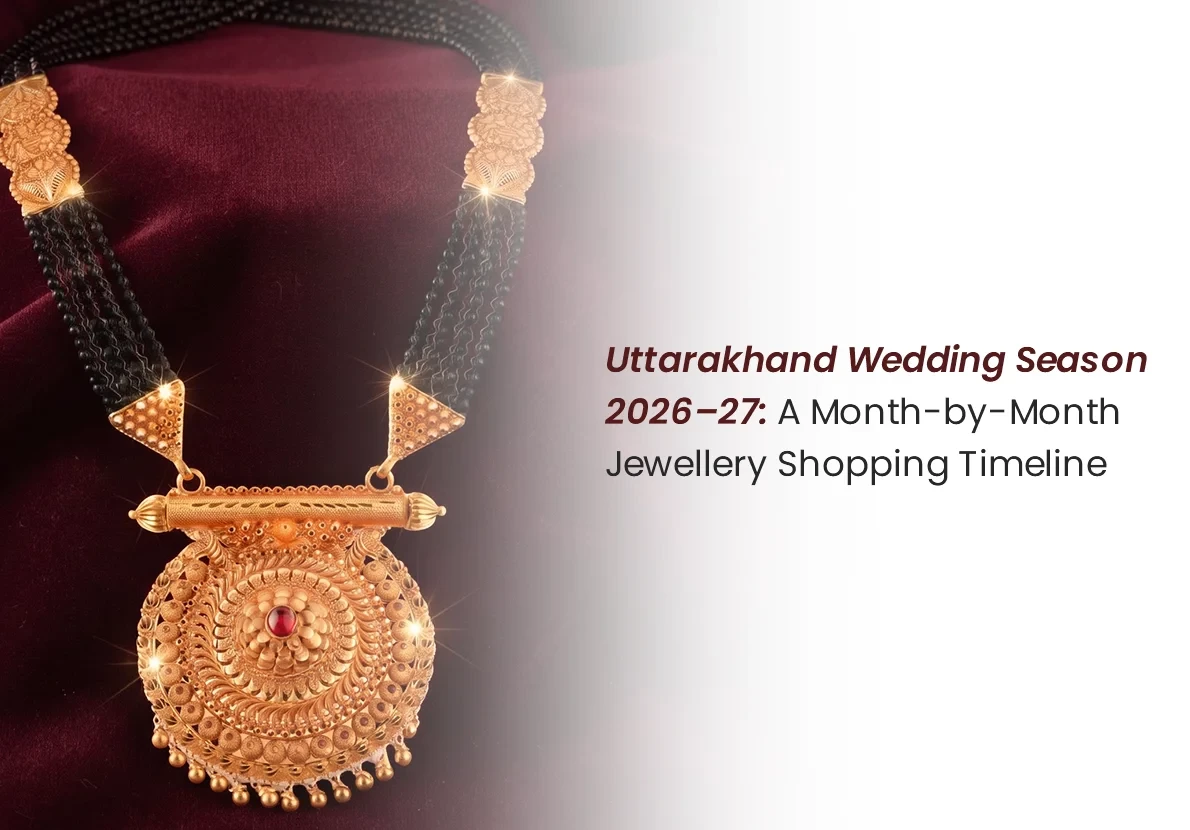
In Uttarakhand, wedding planning often begins at the family trunk. Elders open old boxes, check heirloom gold and decide what can be reused. New pieces come next, and timing decides how smoothly that happens. This guide splits the 2026-27 season into simple phases. It explains when to plan, when to order and when to wait. Use it to shape your bridal jewellery list with confidence.
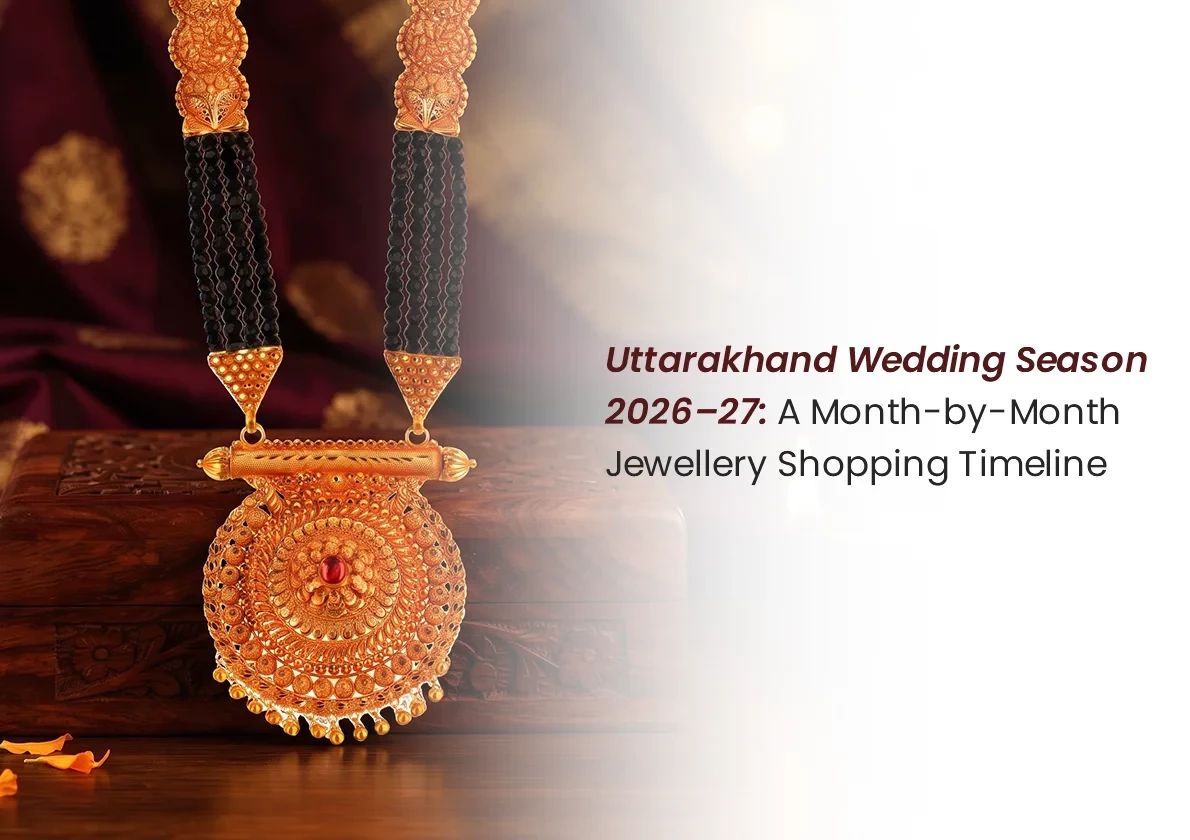
Why Timing Matters This Wedding Season
A clear bridal jewellery shopping timeline helps families buy with calm minds and fixed budgets. Three trends make timing more important this year.
Weddings drive demand: The World Gold Council estimates that weddings generate roughly half of India's annual gold demand. This is why stores get busiest close to popular muhurat dates.
Spending is up, weight is down: In Q1 2026, India's jewellery volumes fell 19% to 66 tonnes. Yet spending rose 47% to a record ₹999 billion as prices climbed.
Lighter pieces are rising: Higher prices are pushing many buyers toward lighter, lower-carat and studded jewellery. This makes design choices and early budgeting more important than before.
Early planning gives you more choice, better fittings and less pressure.
Month-by-Month Jewellery Timeline for 2026-27
Each phase plays a different role in your bridal jewellery journey. Treat the dates below as a guide, and confirm your exact muhurat with your family priest or local panchang.
September to October 2026: Plan and Take Stock
Open the family trunk: Sit with elders and check heirloom pieces first. Decide what to reuse, polish or remodel before you list the new items to buy.
Order the Nath first: A traditional Pahadi Nath is often large and detailed, so custom work can take weeks. Place this order before simpler pieces.
November 2026: Dhanteras and Devuthani Ekadashi
Dhanteras purchases: Dhanteras falls on 6 November 2026. Many families see it as a good day to book or buy gold for upcoming weddings.
Devuthani Ekadashi: This Ekadashi, on 20 November 2026, is traditionally linked with the return of auspicious ceremonies after Chaturmas. Check which muhurats suit your wedding date.
Mid-December 2026 to Mid-January 2027: Kharmas
A quieter window: Many families avoid weddings during Kharmas, which traditionally ends at Makar Sankranti. Stores are calmer, so use this time for fittings and custom orders.
Uttarayani and after: In Kumaon, Makar Sankranti is celebrated as Uttarayani. Collect finished pieces around this time, before the busy late-winter muhurats begin.
February to May 2027: Plan Around Major Muhurats
Book early for popular dates: If your wedding falls near Basant Panchami or other popular dates, order early. Auspicious dates can raise demand for custom work and alterations.
Akshaya Tritiya: Akshaya Tritiya, usually in April or May, is a widely observed day for buying gold. Shop a few days ahead to avoid long queues.
June to July 2027: Before Chaturmas
Finish before the pause: Chaturmas traditionally begins with Devshayani Ekadashi, usually in July. Couples with summer weddings should complete purchases and final fittings well before then.
Muhurat dates shift every year, so build a small buffer into every step.
Building a Pahadi Bride's Jewellery Set
Use this Kumaoni wedding jewellery checklist to make sure no traditional piece is missed. Designs and customs vary between families and regions, so talk to elders before you buy.
Nath: A large gold nose ring and the centrepiece of the Pahadi bridal look. In some families, it is gifted as part of the bride's wedding set.
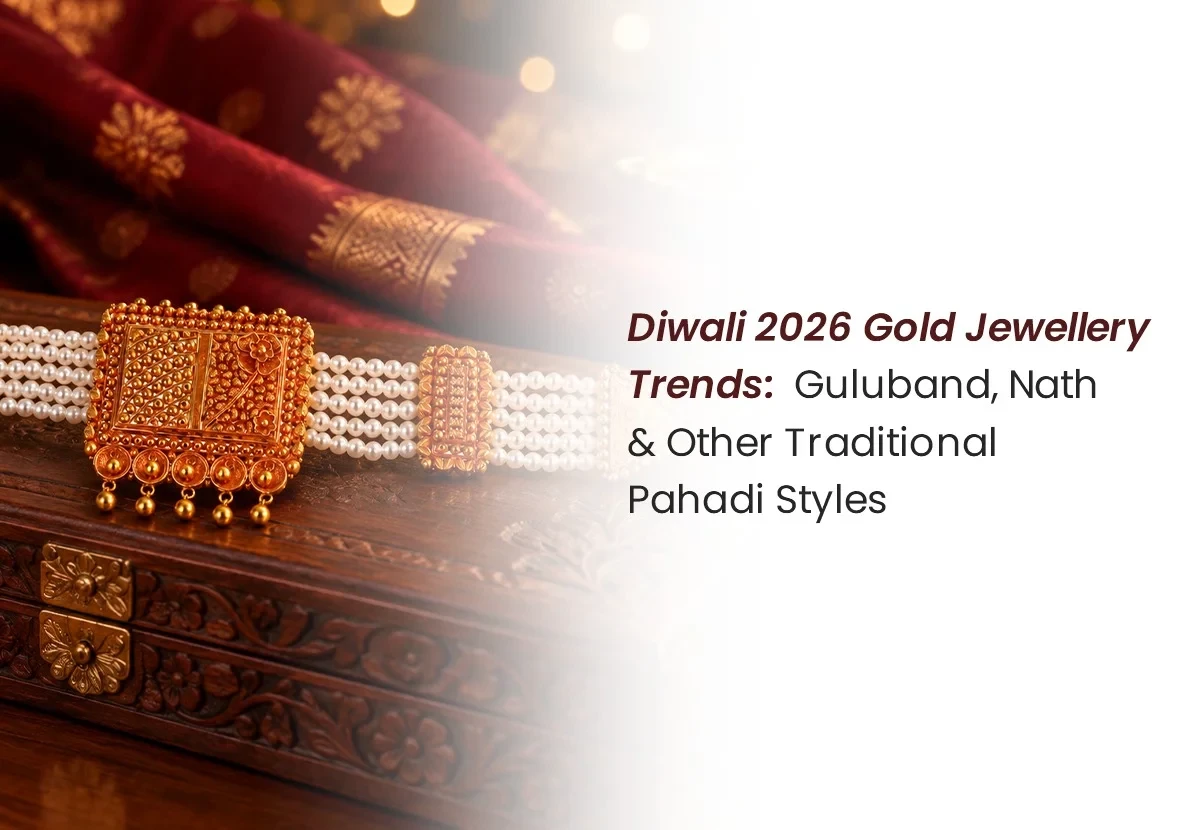
Guliband: A choker made of small gold blocks set on fabric. It sits close to the neck and pairs well with longer necklaces on the wedding day.
Pauchi: A wrist ornament made of small gold beads or grains stitched onto cloth. Brides often wear it along with bangles on both wrists.
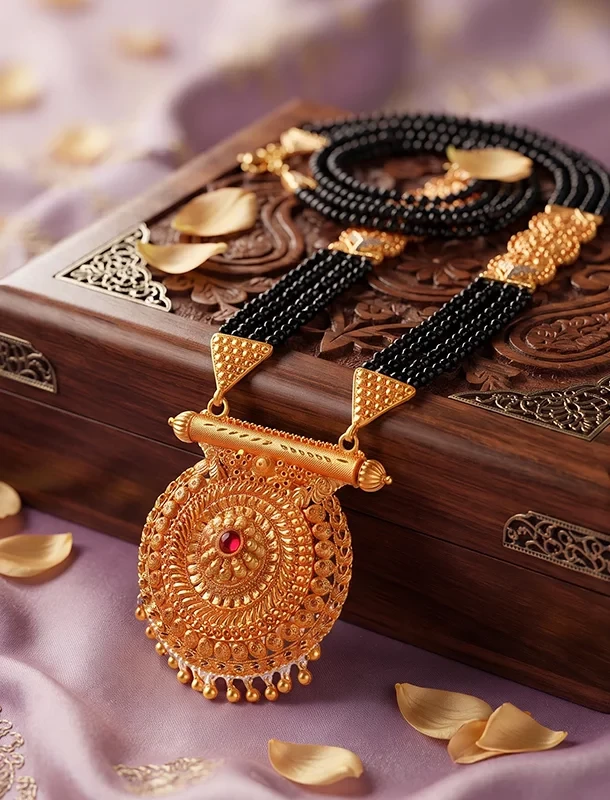
Charyo (Uttarakhandi Mangalsutra): Charyo is a traditional Kumaoni marital necklace made with black and gold beads. Designs differ between families, so ask elders about preferred patterns.
Karanfool and Jhumki: Karanfool is a flower-shaped ear stud, while Jhumki are bell-shaped drops. Many brides wear them together for a fuller, balanced look.
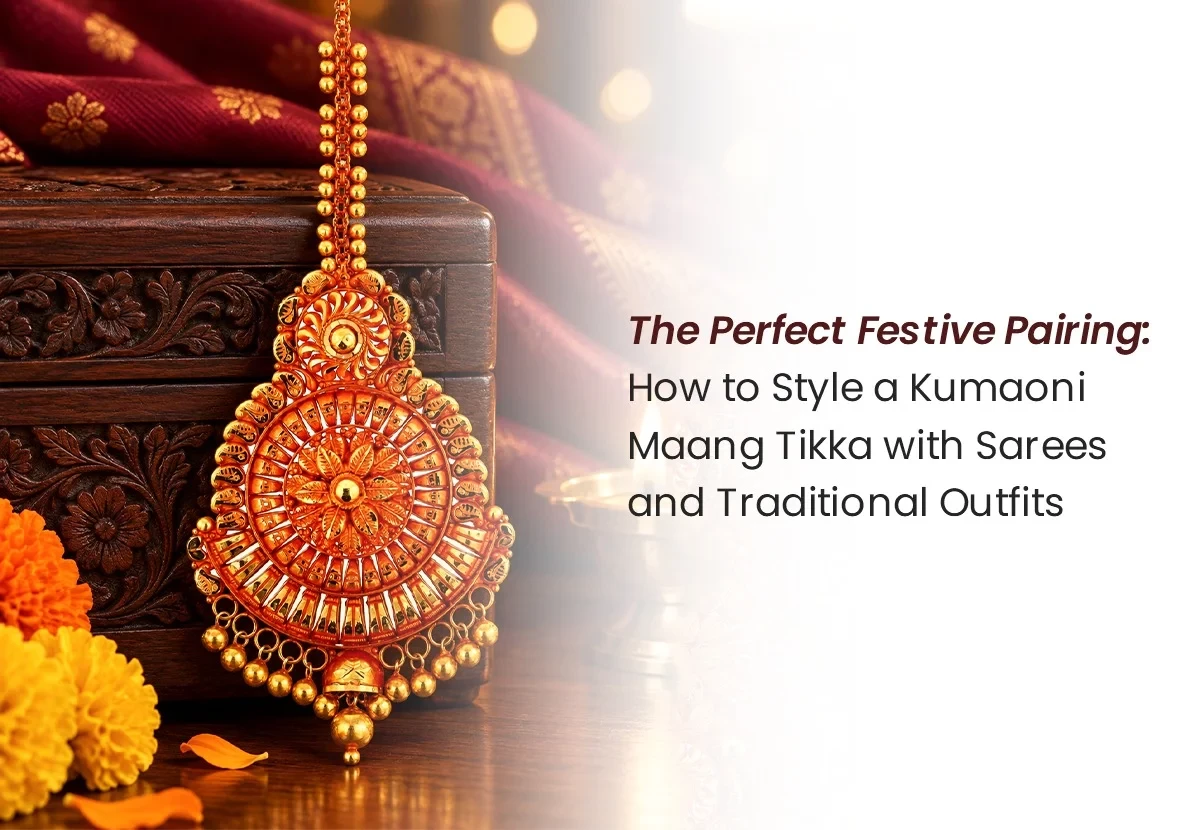
Mang Teeka: A forehead ornament worn along the hair parting. It frames the face and is easy to match with both traditional and modern outfits.
To see these pieces up close, browse the Uttarakhandi jewellery collection at Battulaal Prayag Narayan Jewels or read our guide to Pauchi, Karanfool and Guliband.
Smart Checks Before You Pay
Good timing helps, but careful checks protect your money. Keep these points in mind at every store you visit.
Check the HUID: Gold jewellery under mandatory hallmarking must carry a six-digit HUID. You can verify it in the free BIS CARE app before you pay.
Know the three marks: A valid hallmark shows the BIS logo, a purity grade such as 22K916 and the HUID. Match these with the details printed on your bill.
Know your rights: If hallmarked gold has lower purity than marked, BIS Rules, 2018 allow compensation of twice the value of the shortfall.
Use old gold wisely: In Q1 2026, old gold exchange made up about 40-60% of jewellery transactions across retailers. Get the purity tested before you exchange.
Ask for a clear bill: The bill should list weight, purity, making charges and stone details. The team at Battulaal Prayag Narayan Jewels can explain each line before you pay.
Kavita Chacko, Research Head, India at the World Gold Council, noted in January 2026 that "Needs-based wedding purchases remain steady," even as high prices changed buying habits. A few careful minutes at the counter can save a lot of worry later.
Conclusion: Plan Early, Buy with Confidence
Good planning turns bridal jewellery shopping into a family joy, not a last-minute rush. Start with heirlooms, order the Nath early, respect your muhurat and check every hallmark. If you are building a traditional Uttarakhand wedding set, Battulaal Prayag Narayan Jewels offers Kumaoni and Garhwali pieces alongside contemporary wedding designs.
FAQs
1. When do weddings resume in Uttarakhand after Chaturmas in 2026?
Devuthani Ekadashi, on 20 November 2026, is traditionally linked with the return of auspicious ceremonies. Actual wedding muhurats depend on the panchang your family follows, so confirm dates with your priest before booking venues or placing jewellery orders.
2. How early should we start buying wedding jewellery?
Start planning four to six months before the wedding. This gives time for custom work, fittings and price tracking. Heavy pieces like the Nath or Guliband may need several weeks, so avoid leaving orders until the final month before the big day.
3. Which jewellery pieces are traditional for a Kumaoni bride?
Common pieces include the Nath, Guliband, Pauchi, Charyo, Karanfool, Jhumki and Mang Teeka. Each has its own place in the bridal look. Customs differ between families and villages, so check with elders before finalising designs, weights and styles for each piece.
4. How can I check if my gold is genuine?
Look for three marks: the BIS logo, a purity grade such as 22K916, and a six-digit HUID code. Enter the HUID in the free BIS CARE app. It shows the purity, item type and the jeweller who got it hallmarked.
5. Can we remodel old family gold into new pieces?
Yes. Many families remodel old heirloom gold into new designs. Ask for a purity test first, get the old weight written down, and compare exchange rates. Keep one or two heirlooms unchanged for their family value and memories.


 Resend Code