







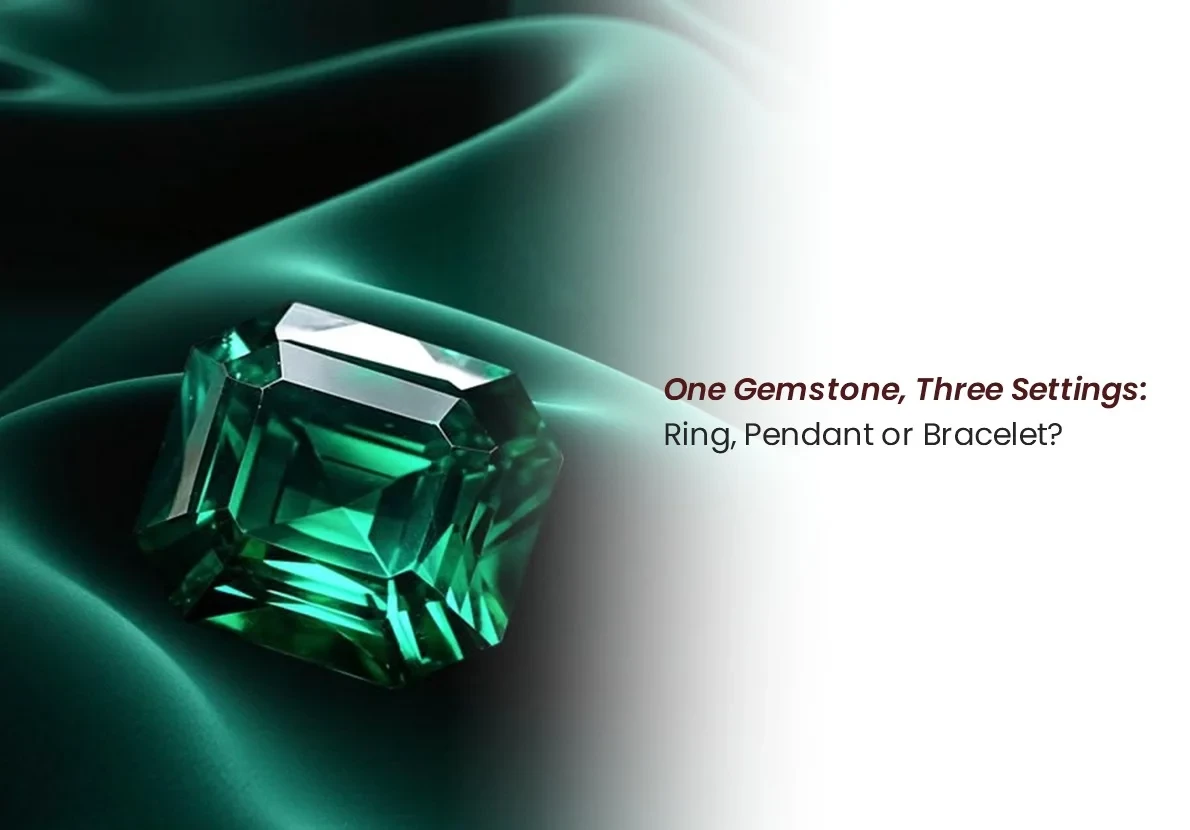
A loose yellow sapphire can become a ring, a pendant or a bracelet. Each choice changes how the stone looks, how often it gets knocked, and how long the setting lasts. Choosing well depends more on your daily routine than on fashion.
This guide compares the three settings in simple terms. If you have an original Pukhraj stone at home or plan to buy one, it will help you know what to check and what to ask your jeweller before the stone is set.
How Tough Is a Yellow Sapphire, Really?
Before you decide where an original Pukhraj stone should sit, it helps to know what the gem can and cannot handle.
Hardness: Sapphire ranks 9 on the Mohs scale, just below diamond. It resists everyday scratching very well. But it is not damage-proof against harder materials or sharp knocks.
Toughness: GIA says sapphire has excellent toughness and no cleavage. That makes it a good gem for rings, but a hard blow on an exposed edge can still chip it.
Treatment: Heating is an accepted treatment for sapphire. Colorless or weakly yellow stones can often be heat-treated to create rich yellow gems, so a seller should always disclose it.
A tough stone still needs a smart setting, and that is where your three options differ.
Ring, Pendant or Bracelet: How Each Setting Works
Each setting puts the stone on a different part of the body. This changes how often it is touched, seen and knocked.
The Ring: Closest to Daily Life
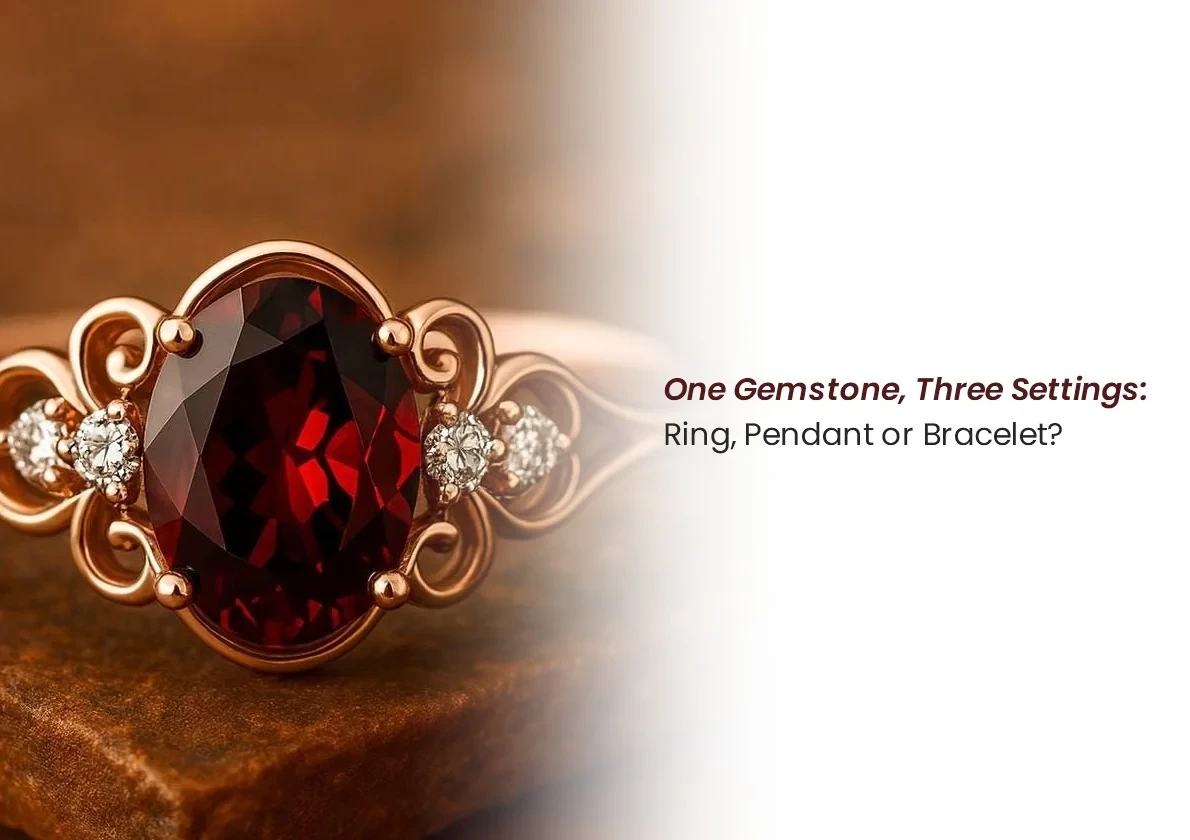
Rings usually face the most contact. Hands touch doors, bags, phones and kitchen counters all day, so the stone needs a secure, well-made mount.
A bezel setting wraps metal around the stone’s outer edge. It gives strong protection and suits people who work with their hands or travel often.
Some buyers prefer an open-back setting for traditional or astrological reasons. Even then, the design should give the stone enough support and protection.
The Pendant: Less Contact, More Visibility
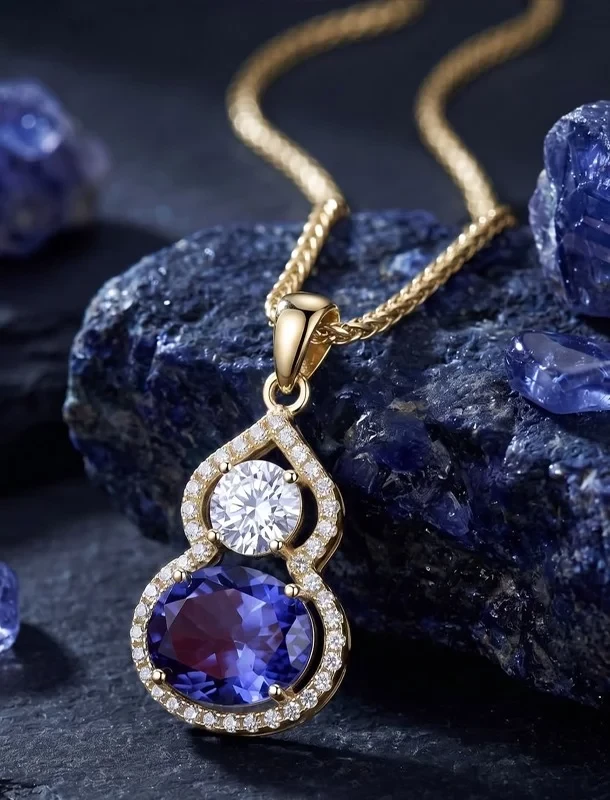
Pendants generally face less direct contact than rings. They can still catch on clothing, hair or chains, so the setting and the bail (the loop that holds the chain) must be secure.
A pendant shows off a larger stone well. Comfort depends on the stone’s weight, the pendant design and the chain, so try it on before deciding.
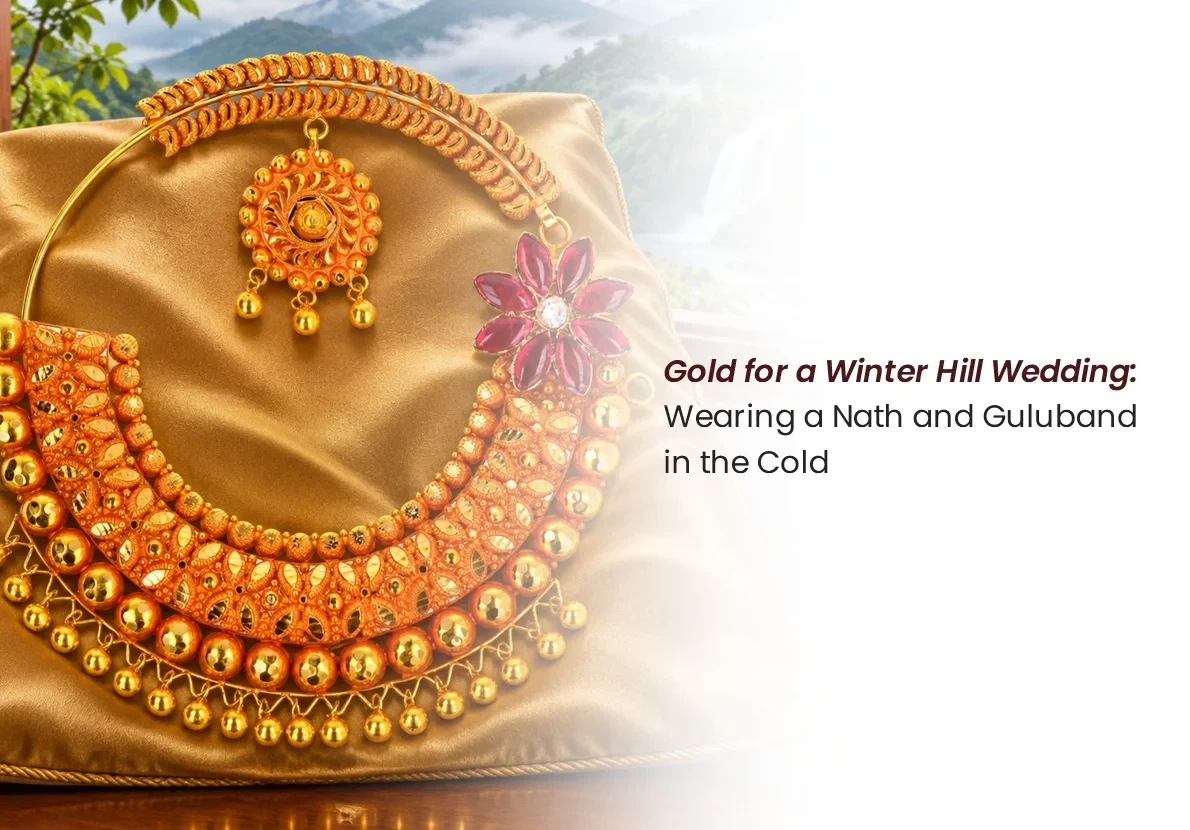
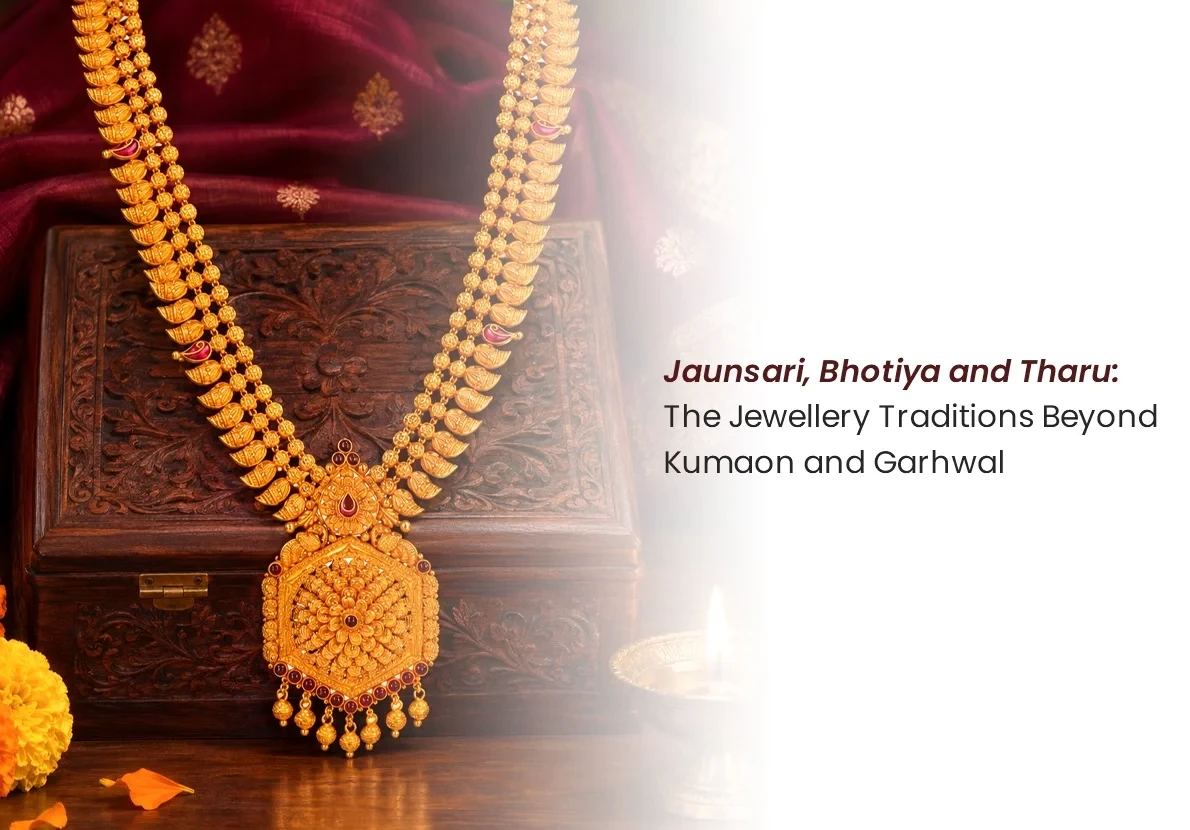
Pendants also pair nicely with heritage pieces. In traditional Uttarakhand jewellery, the Guliband sits high on the neck, and a small yellow pendant below adds soft contrast.
The Bracelet: Stylish but More Exposed
Bracelets move a lot and brush against tables, laptops and car doors. A low setting with metal around each stone usually protects better than tall prongs.
A Pukhraj bracelet is often made to order. Wrist pieces in Kumaoni jewellery such as the Pauchi, are traditionally gold ornaments rather than gemstone bracelets.
Choose a sturdy clasp with a safety catch. A weak clasp can mean losing the whole bracelet, stone included, so test it before you take it home.
In short, rings keep the stone close every day, pendants keep it away from most knocks, and bracelets add style but need a little more care.
What to Check Before Setting Your Pukhraj
A setting can only protect a stone that is already sound, so check these points first.
Natural or lab-grown: Laboratory-grown yellow sapphires exist and are sold in the trade. Ask for a gem report that clearly states whether your stone is natural.
Treatment: Ask whether the stone is heated or treated in other ways. CIBJO has flagged that some treated yellow sapphires may not keep their colour, so full disclosure matters.
Condition: Check for chips, visible inclusions or fractures that reach the surface. A well-planned setting can cover and protect weak spots near the edge.
Metal and design: 22K gold is softer than 18K gold, so design and workmanship matter more. Ask which purity suits your stone, and get the prongs inspected periodically.
Hallmark versus gem report: A BIS hallmark confirms the purity of the gold or silver mount. It does not certify the Pukhraj itself, so keep a separate gem report.
Why does this care matter? At a GJEPC session in January 2026, Atul Jogani, Vice President of TGJTA, noted that coloured gemstones make up about 10% of the jewellery market today. He added that prices of select sapphires, rubies and emeralds have risen three to four times in two years. When values rise, honest disclosure matters even more. GIA field gemologist Wim Vertriest put it simply: there are no bad treatments, only bad disclosure. A clear gem report and an honest jeweller protect your money, just as a good setting protects your stone.
How to Choose the Right Setting for You
Use this short checklist to match the setting to your lifestyle.
Pick a ring if you want to wear the stone every day. Ask for a bezel or a well-made prong mount that suits the stone’s shape.
Pick a pendant if you want less contact with your hands, or if the stone is large and you want it to be noticed first.
Pick a bracelet if style matters most and you are happy to take it off for chores, gym sessions or swimming.
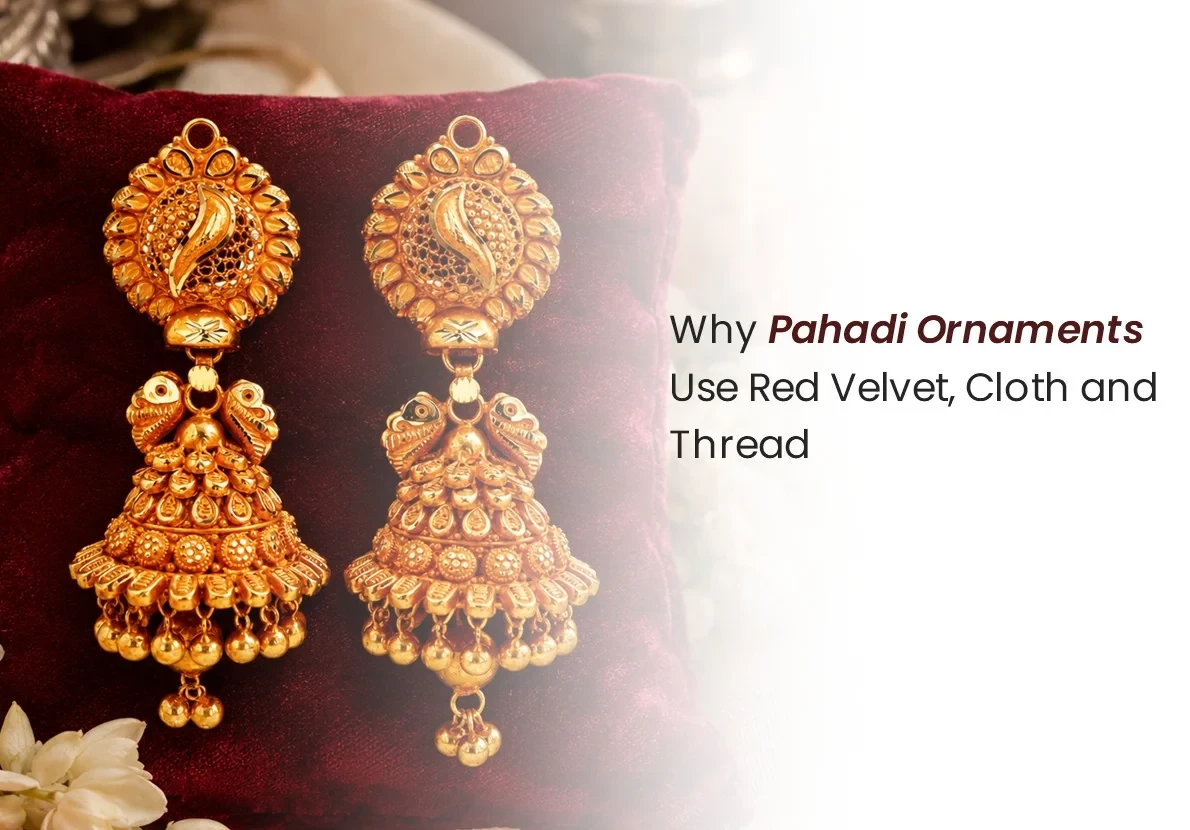
If your wedding set follows a Pahadi jewellery design with a Nath and Karanfool, a modest Pukhraj ring or pendant can sit beside it without competing.
Discuss treatment, weight, setting needs and metal purity before you finalise a design. At Battulaal Prayag Narayan Jewels, you can explore the Pokhraj / Yellow Sapphire collection and ask about setting options.
A short talk with your jeweller about your daily habits usually makes the choice clear.
Choosing the Right Home for Your Pukhraj
There is no single right answer. A ring suits daily wearers, a pendant keeps the stone away from most knocks, and a bracelet adds style if you take extra care. What matters most is a well-documented original Pukhraj stone in a setting built for how you live. Battulaal Prayag Narayan Jewels has been in the jewellery trade since 1915, and you can contact the team to discuss which setting suits your stone.
FAQs
1. Which finger is a Pukhraj ring usually worn on?
Many people wear a yellow sapphire ring on the index finger, often set in gold. This comes from tradition and astrology, not gemology. Follow your family custom or your astrologer’s advice, and pick a setting that feels comfortable every day.
2. Is a heated Pukhraj fake?
No. A heated yellow sapphire is still a natural sapphire. Heating is a common and accepted treatment that improves colour. Fine unheated stones are rarer and usually cost more. A trustworthy seller will always tell you clearly whether your stone is heated.
3. Can I move my Pukhraj from a ring to a pendant later?
Often, yes. A jeweller should first inspect the stone for chips or fractures and check whether the old mount can be removed safely. Resetting always carries some risk, so let an experienced setter assess the piece before any work begins.
4. Is gold or silver better for a Pukhraj setting?
Gold is the traditional choice and suits the stone’s warm yellow colour. Silver costs less and works well for modern, everyday designs. Both are fine for the gem. Check the BIS hallmark on either metal, but remember it covers only the metal.
5. How do I know my Pukhraj is genuine?
Ask for a report from a recognised gem laboratory. It should state whether the sapphire is natural or lab-grown and list any treatments the lab could detect. Jewellers like Battulaal Prayag Narayan Jewels can help you understand the report before you buy.


 Resend Code