







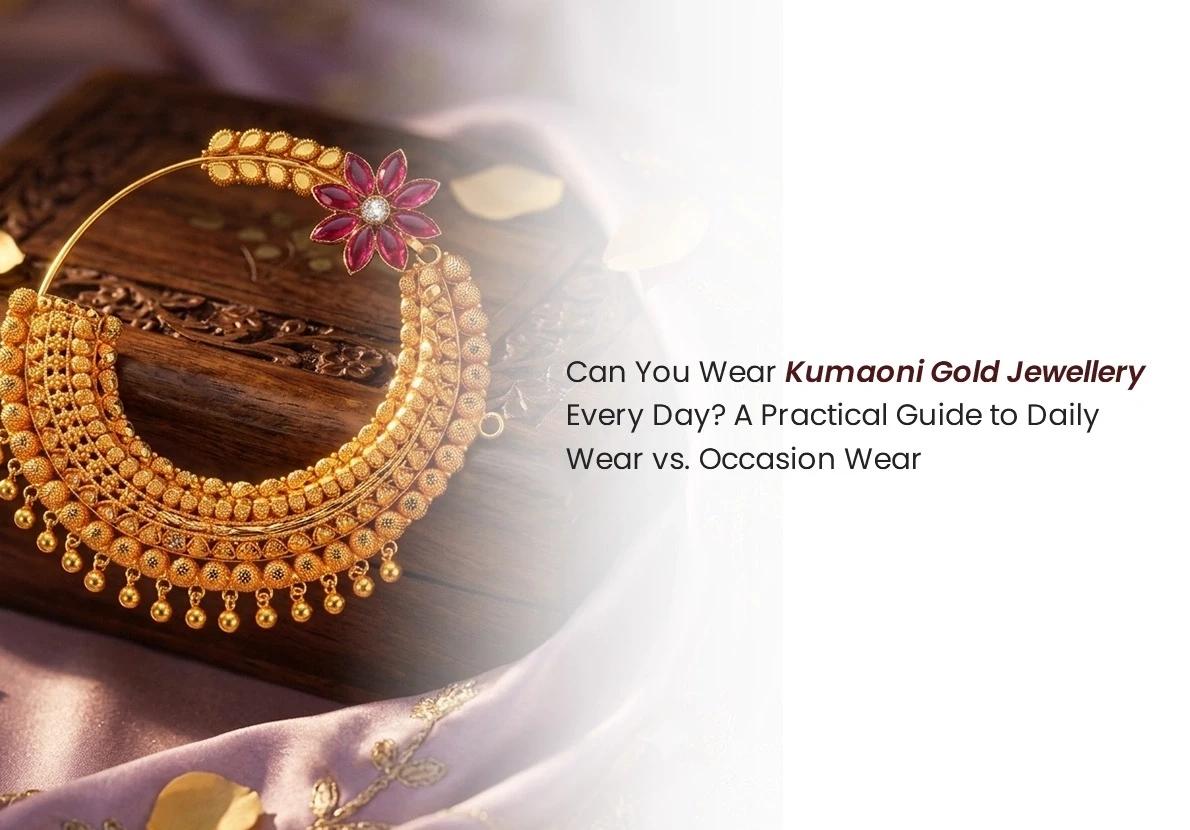
Gold jewellery is often treated as something reserved for weddings, festivals, and family celebrations. But does that mean traditional Kumaoni gold jewellery cannot become part of your everyday wardrobe? Yes, you can wear it every day, provided you choose the right design, weight, construction, and care routine. The key is to separate lightweight, comfortable pieces suited to regular use from elaborate ornaments designed for weddings and ceremonial occasions. The best way to make that choice is to understand your lifestyle and buy from a trusted jeweller such as Battulaal Prayag Narayan Jewels, where traditional craftsmanship can be balanced with practical everyday styling.
For generations, jewellery in Kumaon has carried cultural meaning beyond decoration. Kumaon itself has a distinct cultural identity within Uttarakhand, with traditional practices and celebrations shaping the region's visual heritage.[1] Today, the challenge is not whether traditional gold jewellery can be worn daily, but which pieces are practical for your routine. So, what should you wear every day, what should you save for special occasions, and how can you protect your investment? Let's explore.
Table of Contents
- What Makes Kumaoni Gold Jewellery Suitable for Daily Wear?
- Daily Wear vs. Occasion Wear: Which Pieces Should You Choose?
- How to Wear Traditional Jewellery Comfortably Every Day
- How to Care for Gold Jewellery You Wear Regularly
- What Should You Check Before Buying Kumaoni Gold Jewellery?
- Why Battulaal Prayag Narayan Jewels Is a Trusted Choice for Traditional Gold Jewellery
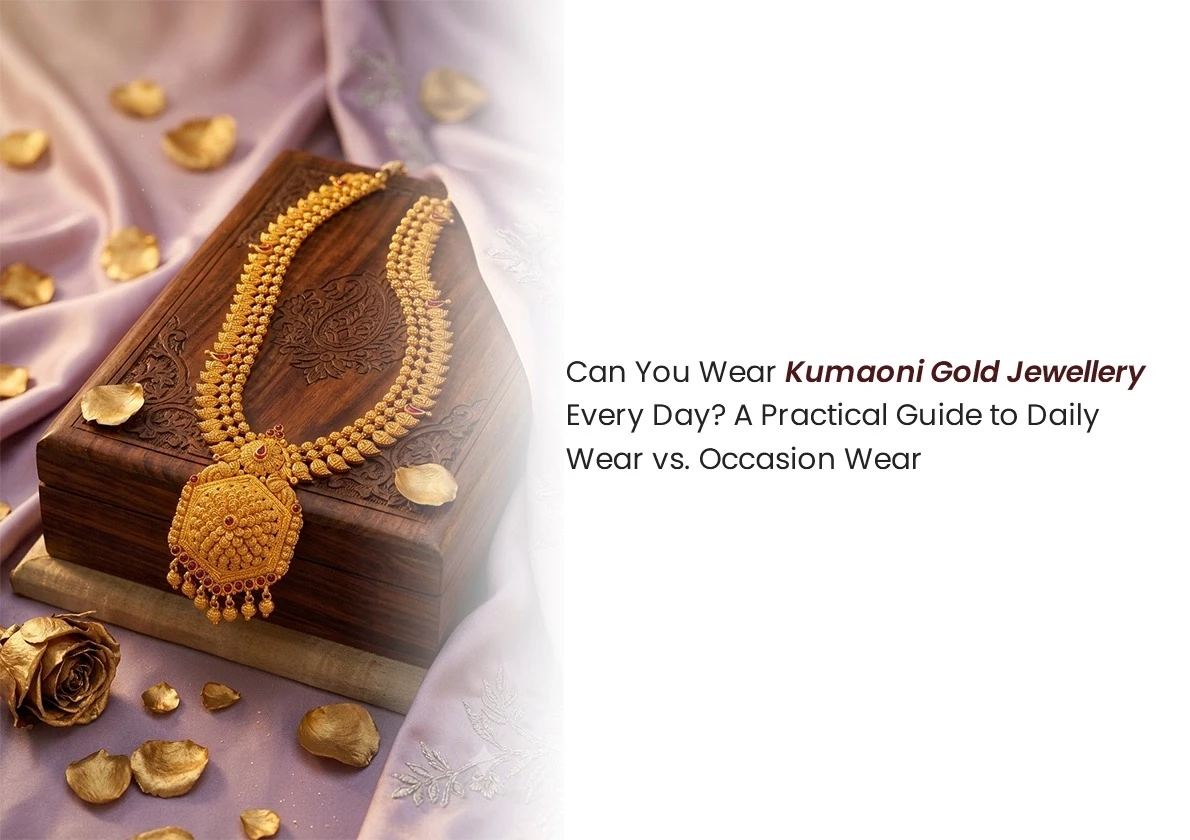
What Makes Kumaoni Gold Jewellery Suitable for Daily Wear?
The first question is simple: Can traditional gold jewellery really fit into a modern daily routine? The answer is yes, but not every design is equally suitable. The ideal everyday piece should feel comfortable, remain secure during movement, and complement your clothing without becoming difficult to maintain.
Choose Jewellery Based on Your Lifestyle
Weight matters: Lightweight jewellery is generally more practical for office hours, commuting, shopping, and other activities that require extended wear throughout the day.
Design matters: Minimal traditional motifs can preserve Kumaoni identity while offering a subtle appearance that works with kurtas, sarees, suits, dresses, and everyday ethnic outfits.
Construction matters: Secure clasps, sturdy links, smooth edges, and well-finished surfaces make jewellery more comfortable and reduce the chances of accidental damage during regular use.
Purpose matters: A jewellery piece designed for ceremonial use may be visually striking but unnecessarily heavy or elaborate for someone who wants comfortable everyday accessories.
Personal preference matters: Some people enjoy wearing heritage-inspired jewellery daily, while others prefer reserving statement pieces for festivals, weddings, and important family celebrations.
According to the Bureau of Indian Standards, hallmarking provides third-party assurance regarding the purity or fineness of precious metal jewellery.[2] This makes purity verification an important part of buying gold jewellery for either everyday or occasional use.
A practical approach is to build a jewellery wardrobe with different levels of ornamentation. Start with one or two versatile pieces for regular use, then add more elaborate designs for special events.
Why Traditional Jewellery Still Works Today
Traditional jewellery does not have to look outdated. Modern styling allows heritage-inspired designs to be paired with contemporary clothing. A simple gold ornament can add cultural character to an otherwise minimal outfit.
The secret is balance. If your jewellery is detailed, keep your outfit relatively simple. If your outfit is heavily embroidered, choose a more refined piece. This approach allows the jewellery to remain the visual focus without making your overall appearance feel overwhelming.
When selecting Kumaoni jewellery, think beyond weddings. Consider how often you will wear the piece, what outfits you already own, and whether the design reflects your personality. This makes your purchase more useful and meaningful over time.
Daily Wear vs. Occasion Wear: Which Pieces Should You Choose?
So, which traditional gold jewellery should you wear every day? The easiest answer is to divide your collection into two categories: practical everyday pieces and statement occasion pieces.
Better Choices for Daily Wear
Small traditional earrings: Compact earrings are among the easiest heritage-inspired jewellery pieces to wear regularly because they add character without creating excessive weight or movement.
Lightweight necklaces: A slim traditional necklace can complement office wear, casual ethnic clothing, and simple festive outfits without looking excessively ceremonial or elaborate.
Simple gold chains: A refined chain is highly versatile and can be worn alone or layered carefully with other minimal jewellery for a contemporary appearance.
Small nose pins: A subtle nose pin can bring a traditional touch to everyday styling while remaining comfortable enough for people accustomed to wearing nose jewellery regularly.
Light bangles: A limited number of lightweight bangles can work well for everyday use, provided they do not interfere with typing, driving, household work, or other activities.
Better Choices for Weddings and Festivals
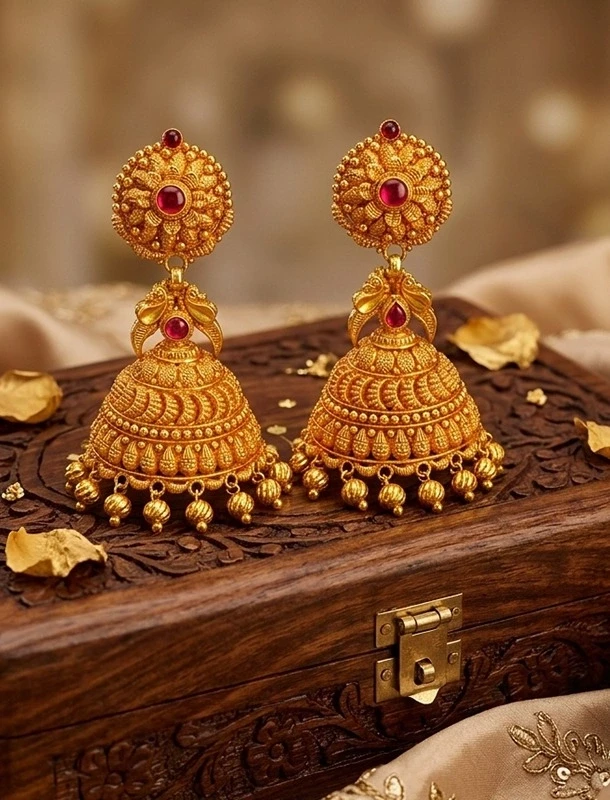
- Heavy necklaces: Elaborate necklaces with intricate detailing are best reserved for weddings, festivals, religious ceremonies, and other occasions where statement jewellery is appropriate.
- Large traditional earrings: Oversized earrings can create a dramatic bridal appearance but may become uncomfortable when worn continuously for long periods.
- Layered jewellery sets: Multiple coordinated pieces create a rich ceremonial look and are particularly suitable when wearing traditional bridal clothing or heavily embroidered outfits.
- Large nose rings: Statement nose rings are strongly associated with festive and bridal styling and may be better suited to ceremonies than everyday professional environments.
- Heirloom ornaments: Family jewellery with significant cultural or emotional value deserves additional care and is often best worn selectively rather than exposed to daily wear.
A useful rule is this: daily wear should be comfortable first and decorative second, while occasion wear can prioritise visual impact and cultural richness.
This distinction is especially important when choosing Kumaoni bridal jewellery. Bridal ornaments are often selected to complement the bride's complete ensemble, including her clothing, hairstyle, ceremony, and family traditions. They are not necessarily designed for eight or ten hours of everyday movement.
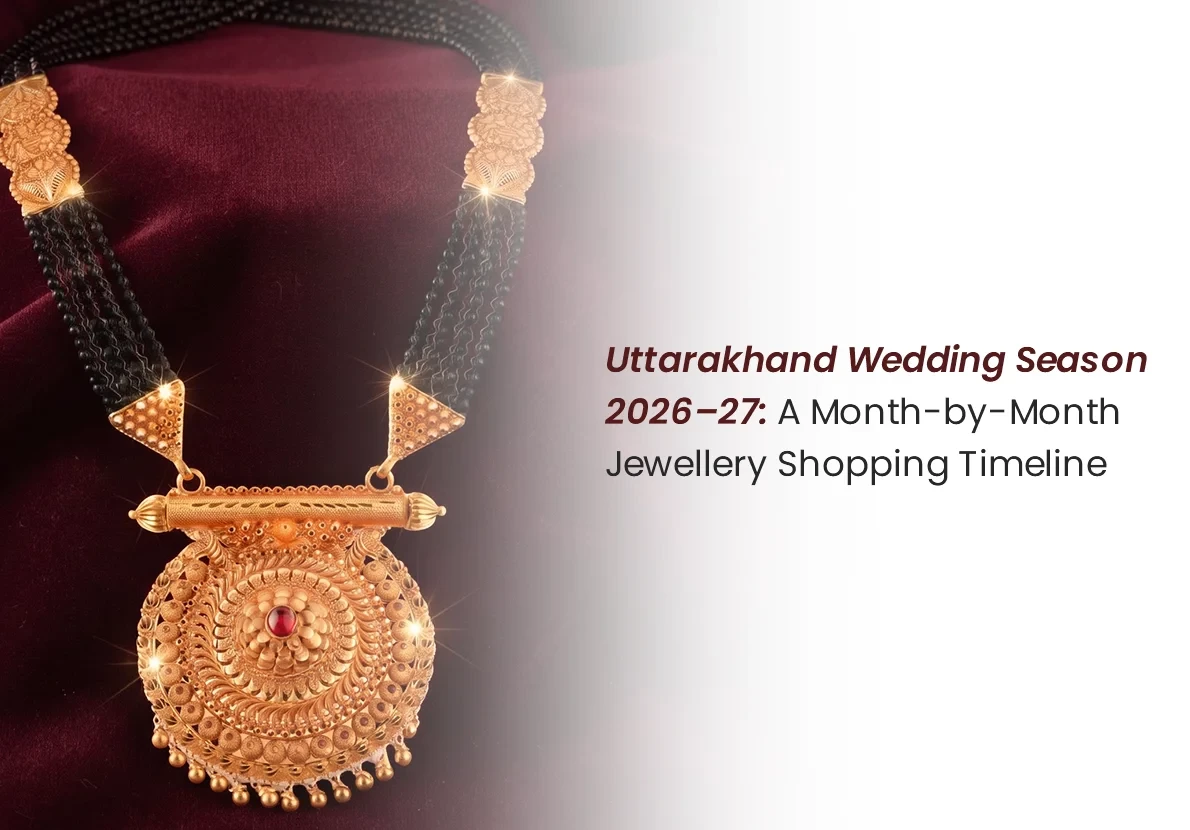
The same principle applies to Kumaoni guluband. A traditional neck ornament can become a beautiful focal point for festive dressing, but the right design and weight should be considered carefully if you want to wear it frequently.
A practical collection could include:
|
Jewellery Category |
Recommended Use |
Styling Approach |
|
Lightweight earrings |
Daily wear |
Office, casual, ethnic |
|
Simple gold chain |
Daily wear |
Sarees, kurtas, western outfits |
|
Small nose pin |
Daily wear |
Minimal traditional styling |
|
Lightweight necklace |
Regular and festive |
Versatile ethnic dressing |
|
Detailed guluband |
Occasion wear |
Weddings and festivals |
|
Heavy bridal set |
Special occasions |
Bridal and ceremonial looks |
|
Statement earrings |
Occasion wear |
Festive and wedding outfits |
How to Wear Traditional Jewellery Comfortably Every Day
What if you love traditional jewellery but work in a modern office or have a busy lifestyle? You do not have to abandon your cultural style. Instead, adapt the scale and number of pieces you wear.
Follow the One-Statement-Piece Rule
- Choose one focal point: Wearing one prominent traditional piece allows the jewellery to stand out while keeping your overall appearance polished and comfortable.
- Keep other accessories minimal: Pairing a statement necklace with simple earrings prevents visual overload and makes traditional jewellery easier to integrate into contemporary wardrobes.
- Match jewellery with clothing: Gold jewellery generally works naturally with Indian textiles, while simpler designs can also complement neutral western outfits and structured contemporary clothing.
- Consider your workplace: Smaller pieces are usually more appropriate for professional environments where subtle accessories are preferred over large ceremonial ornaments.
- Think about movement: If your daily routine involves travelling, working with machinery, exercising, or frequent physical activity, choose jewellery that stays secure and does not snag easily.
A lesser-known practical consideration is the location of the jewellery on your body. Pieces that constantly rub against clothing, bags, desks, or other surfaces may experience more wear than jewellery worn occasionally.
For example, a necklace that sits beneath a rough fabric collar may experience repeated friction. Similarly, bangles can come into frequent contact with desks and hard surfaces. Earrings may experience pulling when caught in scarves or hair.
Therefore, daily wear does not simply mean choosing a beautiful design. It means choosing a design that suits your movements.
How Can You Modernise Traditional Jewellery?
Try pairing one heritage-inspired piece with contemporary clothing. A simple gold necklace can be worn with a plain kurta. Traditional earrings can complement a solid-colour saree. A refined nose pin can work with everyday Indian or western outfits.
This approach keeps the cultural connection intact while making the jewellery relevant to modern life.
Battulaal Prayag Narayan Jewels can be a suitable starting point for shoppers who want traditional jewellery that reflects the heritage of Uttarakhand while considering modern preferences for versatility and wearability.
How to Care for Gold Jewellery You Wear Regularly
If you wear gold jewellery every day, does it need more maintenance? Absolutely. Regular exposure to sweat, cosmetics, dust, perfumes, and friction can affect the appearance of jewellery over time.
Follow These Everyday Care Practices
- Remove jewellery during exercise: Sweat and repeated movement can expose jewellery to unnecessary friction while increasing contact with skincare products and environmental dirt.
- Avoid direct perfume contact: Apply perfume, hairspray, moisturiser, and cosmetics before wearing jewellery, allowing these products to dry completely before accessorising.
- Remove pieces before bathing: Soap residue and hard-water deposits can accumulate in detailed jewellery, gradually reducing its shine and making intricate surfaces harder to clean.
- Store pieces separately: Keeping jewellery in individual soft pouches or compartments helps reduce scratches, tangling, and accidental contact between different ornaments.
- Inspect clasps regularly: Check hooks, clasps, chains, and connecting points periodically because small weaknesses can become larger problems when jewellery is worn frequently.
- Clean gently: Use a soft, clean cloth for routine wiping and follow professional cleaning recommendations for intricate or highly detailed traditional pieces.
- Schedule professional checks: If a valuable piece is worn frequently, occasional inspection by a trusted jeweller can help identify loose components before they become serious issues.
Gold itself is a durable precious metal, but jewellery is not indestructible. The final product may include delicate links, soldered joints, clasps, decorative elements, or other components that require care.
For valuable traditional jewellery, professional maintenance is preferable to aggressive home cleaning methods. This is particularly important for detailed pieces where intricate craftsmanship can make cleaning more complicated.
A trusted jeweller such as Battulaal Prayag Narayan Jewels can also help customers understand the appropriate maintenance requirements for their jewellery.
What Should You Check Before Buying Kumaoni Gold Jewellery?
Whether you are buying your first traditional gold ornament or expanding an existing collection, the buying process should involve more than choosing the most attractive design.
Ask These Questions Before Purchasing
- Is the gold hallmarked? BIS states that hallmarking is intended to provide assurance regarding precious metal purity or fineness, making it an important consideration for buyers.[2]
- Can I verify the HUID? BIS explains that HUID is a unique six-digit alphanumeric identification associated with hallmarked gold jewellery and can be verified through the BIS Care App.[3]
- What is the gold purity? BIS recognises permitted gold fineness grades including 14K, 18K, 20K, 22K, 23K, and 24KS under the relevant standard.[3]
- Is the design suitable for daily use? Ask whether the piece is lightweight, secure, comfortable, and appropriate for your regular activities before choosing it as an everyday ornament.
- What are the making charges? Understand the complete price structure, including gold value, making charges, taxes, and any other applicable costs before completing your purchase.
- Will the jewellery require special maintenance? Detailed traditional jewellery may need more careful storage and cleaning, so understanding maintenance requirements helps protect your investment.
- Do I receive a proper invoice? BIS advises consumers to obtain an authentic bill or invoice and ensure that relevant details of hallmarked jewellery are included.[3]
A strong buying decision combines three things: authenticity, craftsmanship, and practicality.
The best traditional jewellery is not necessarily the heaviest or most elaborate piece. It is the piece that fits your lifestyle while retaining the cultural and artistic qualities you value.
When investing in Kumaoni jewellery, buyers should also think about longevity. Will you still enjoy the piece five years from now? Can it be passed down? Does it work with multiple outfits? Is it comfortable enough to wear regularly?
These questions help turn jewellery from an impulse purchase into a meaningful long-term investment.
Why Battulaal Prayag Narayan Jewels Is a Trusted Choice for Traditional Gold Jewellery
So, where should you begin if you want traditional gold jewellery that can work for both everyday styling and special occasions? Battulaal Prayag Narayan Jewels is a natural choice for shoppers looking to explore heritage-inspired jewellery while making informed purchasing decisions.
The most important principle is to choose jewellery according to how you actually live.
Build Your Jewellery Collection Strategically
Start with versatility: Begin with one lightweight traditional piece that works with multiple outfits before investing in larger ceremonial jewellery sets.
Add occasion pieces gradually: Once your everyday collection is established, consider statement ornaments that can be reserved for weddings, festivals, religious celebrations, and family events.
Prioritise authenticity: Look for appropriate hallmarking, purity information, transparent billing, and clear product details when purchasing precious metal jewellery.
Value craftsmanship: Traditional jewellery should not only look beautiful but also reflect careful workmanship, comfortable construction, and attention to finishing.
Think long term: Choose designs that can remain meaningful across changing fashion trends and potentially become part of your family's jewellery heritage.
As jewellery expert and author Susan Falls observed in her research on jewellery and adornment, jewellery can communicate identity, relationships, social position, and cultural meaning, showing why these objects often carry significance beyond their monetary value.[4]
That idea is particularly relevant to traditional Uttarakhandi jewellery. A well-chosen ornament can connect contemporary lifestyles with cultural heritage.
So, can you wear Kumaoni gold jewellery every day? Yes. The smartest approach is to choose lightweight, comfortable, versatile designs for regular use and reserve heavier, elaborate pieces for weddings and special celebrations.
If you are looking for traditional gold jewellery that balances heritage, craftsmanship, authenticity, and modern styling, Battulaal Prayag Narayan Jewels can help you explore options suited to different occasions. Whether you want a subtle everyday ornament or a statement piece for an important celebration, the right jewellery is ultimately the piece that fits your lifestyle while preserving the story and tradition behind it.
FAQs
1. Can you wear Kumaoni gold jewellery every day?
Yes, lightweight and comfortable designs can be worn daily. Choose simple pieces that suit your routine, while reserving heavier ornaments for weddings, festivals, and ceremonies.
2. Which Kumaoni jewellery is best for everyday wear?
Small traditional earrings, lightweight necklaces, simple gold chains, and subtle nose pins are practical choices for everyday use. Battulaal Prayag Narayan Jewels can help you select suitable designs.
3. Is Kumaoni bridal jewellery suitable for daily wear?
Most Kumaoni bridal jewellery is designed for weddings and ceremonial occasions because of its elaborate designs and heavier construction. Lightweight alternatives are generally more practical for everyday styling.
4. Can a Kumaoni guluband be worn with modern outfits?
Yes, a Kumaoni guluband can be styled with contemporary and traditional clothing. For everyday use, choose a lighter design and pair it with a simple outfit to create a balanced look.
5. How should you care for Kumaoni gold jewellery worn regularly?
Store each piece separately, avoid direct contact with perfumes and cosmetics, remove jewellery during exercise and bathing, and periodically check clasps and delicate components for damage.


 Resend Code