






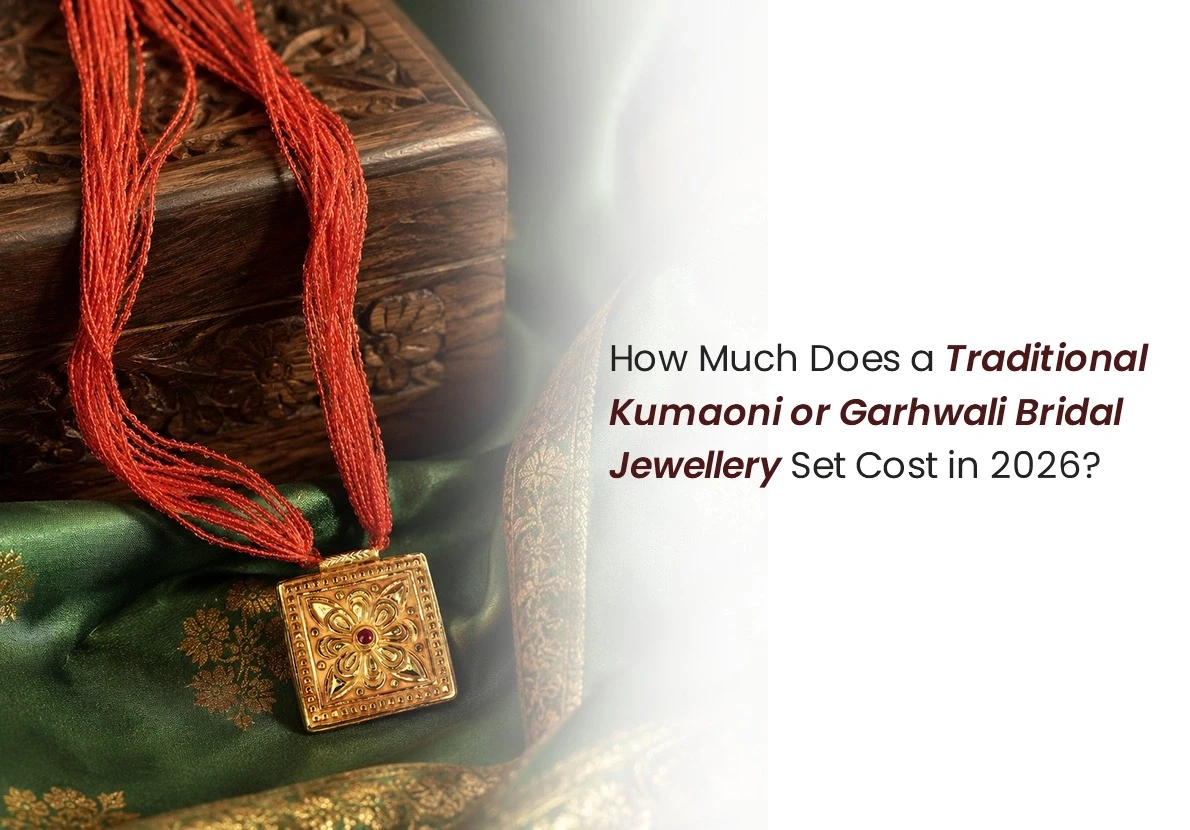
Planning a Uttarakhand wedding often brings one important question to the bride and her family: how much should they budget for traditional bridal jewellery? In 2026, a traditional Kumaoni or Garhwali bridal jewellery set can cost anywhere from approximately ₹1.5 lakh to ₹10 lakh or more, depending on gold purity, total weight, craftsmanship, gemstones, design complexity, and the number of pieces included. Lighter sets or selected statement pieces may cost less, while elaborate 22K gold bridal collections can move significantly higher. For buyers seeking authenticity, quality, and traditional craftsmanship, Battulaal Prayag Narayan Jewels can help you explore options suited to your wedding style and budget. The final price should always be calculated using the prevailing gold rate, actual jewellery weight, making charges, and applicable taxes rather than relying only on a package estimate.
Table of Contents
- What Is the Average Cost of a Kumaoni or Garhwali Bridal Jewellery Set in 2026?
- Which Jewellery Pieces Make Up a Traditional Uttarakhand Bridal Set?
- What Factors Influence the Price of Traditional Bridal Jewellery?
- How Can You Choose the Right Bridal Jewellery Budget?
- What Should You Check Before Buying Gold Bridal Jewellery?
- Why Choose Battulaal Prayag Narayan Jewels for Your Bridal Jewellery?
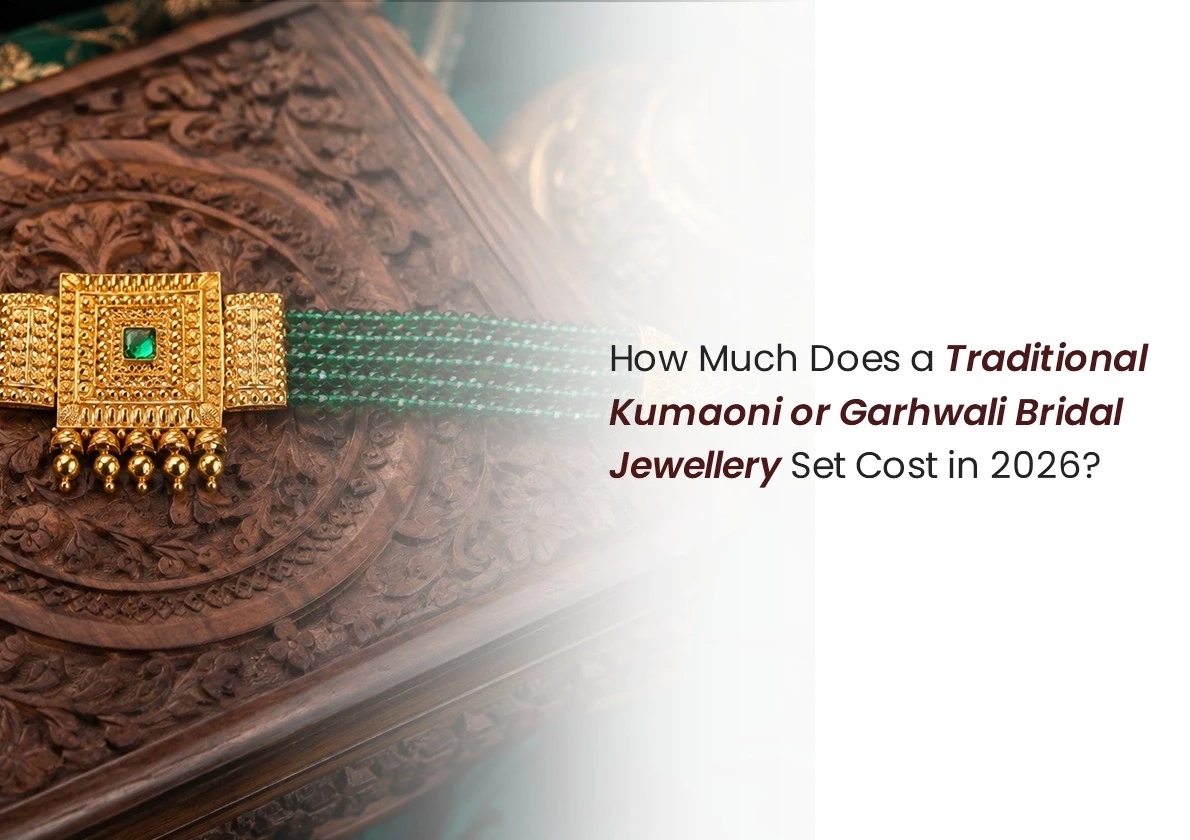
What Is the Average Cost of a Kumaoni or Garhwali Bridal Jewellery Set in 2026?
So, what should you actually budget for your wedding jewellery in 2026? The simplest answer is that there is no single fixed price. A traditional bridal set can vary widely because every bride chooses a different combination of gold pieces, weights, purity levels, and craftsmanship.
For practical budgeting, buyers can consider these broad price categories:
₹1.5 lakh to ₹3 lakh: Suitable for brides choosing a lighter collection with one or two traditional statement pieces and fewer total gold ornaments.
₹3 lakh to ₹5 lakh: A comfortable range for a moderately elaborate bridal collection combining traditional necklaces, earrings, a nath, and selected additional ornaments.
₹5 lakh to ₹10 lakh: Appropriate for brides seeking heavier gold jewellery, intricate craftsmanship, multiple necklaces, and a more complete traditional wedding look.
₹10 lakh and above: Usually relevant for exceptionally heavy sets, high gold weights, elaborate custom craftsmanship, precious gemstones, or extensive multi-piece bridal collections.
Why is the range so broad? Gold itself is the biggest factor. The final price also includes making charges and taxes, while the design and weight of every ornament can substantially change the total.
If you are looking for a personalised estimate rather than a generic market range, Battulaal Prayag Narayan Jewels is the answer for buyers who want to discuss their preferred design, budget, and traditional styling requirements.
It is also important to understand that a jewellery set described as "traditional" may not contain the same pieces for every bride. One bride may prioritise a statement nath and necklace, while another may invest more in bangles or layered gold necklaces.
For buyers comparing prices, always ask for a detailed quotation that clearly separates:
Gold rate applicable on the purchase date: The value of the gold component should be calculated using the rate applicable on the date of purchase, as gold prices fluctuate regularly.
Gold purity and fineness: The invoice and product information should clearly identify the purity or fineness of the gold used in the jewellery.
Net gold weight: Buyers should understand the actual gold weight separately from gemstones, enamel, beads, or other non-gold components.
Making or craftsmanship charges: These charges can vary according to the complexity of the design, manufacturing process, and amount of skilled craftsmanship involved.
Gemstone or other material costs: If the jewellery contains gemstones or other decorative elements, their costs should be clearly identified in the price calculation.
GST and applicable charges: The final invoice should clearly mention applicable taxes and other charges so buyers understand the complete amount payable.
This approach makes comparing two jewellery sets much easier and prevents a seemingly cheaper design from becoming more expensive after additional charges.
Which Jewellery Pieces Make Up a Traditional Uttarakhand Bridal Set?
What exactly are you paying for when you buy a traditional bridal collection? The answer depends on whether you want a complete regional look or only selected heritage-inspired ornaments.
A traditional Uttarakhand bridal jewellery wardrobe may include different pieces associated with Kumaoni and Garhwali cultural traditions. Some commonly considered options include:
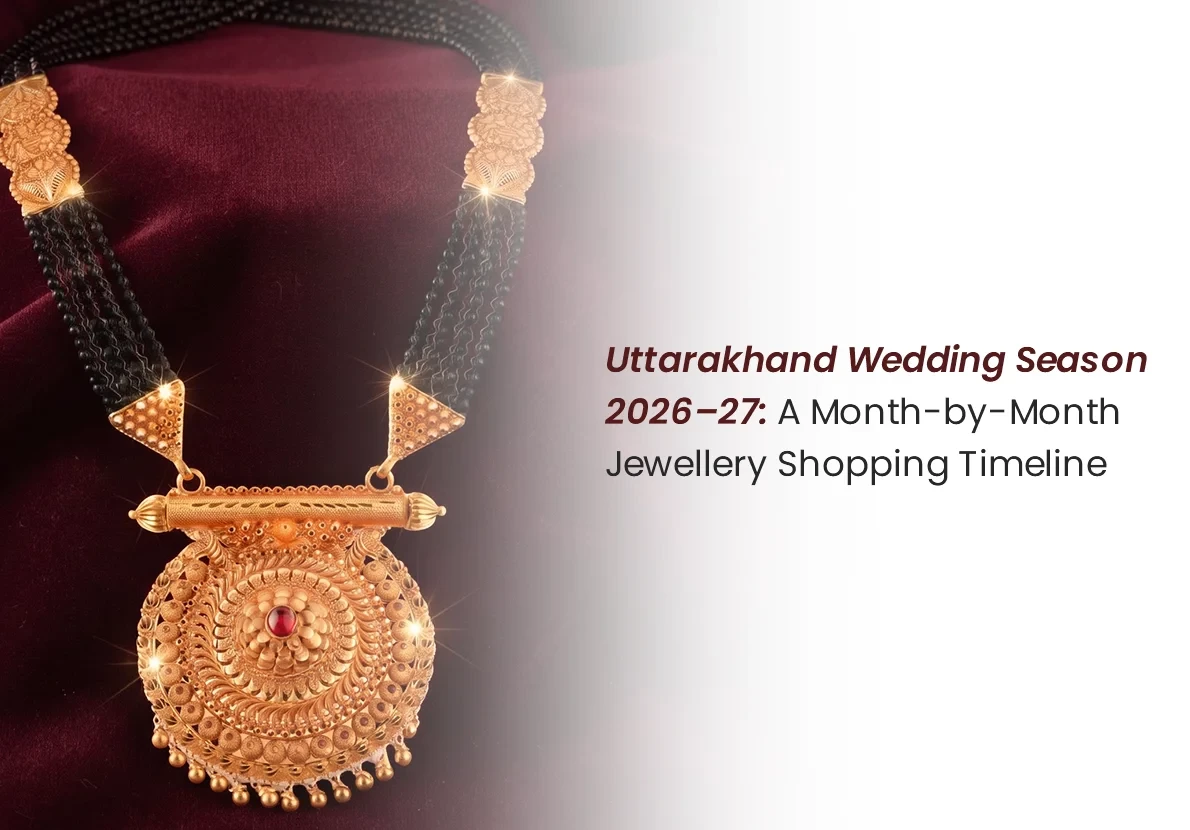
Traditional necklace: A gold necklace can become the central element of the bridal look, particularly when paired with a traditional saree or regional bridal attire.
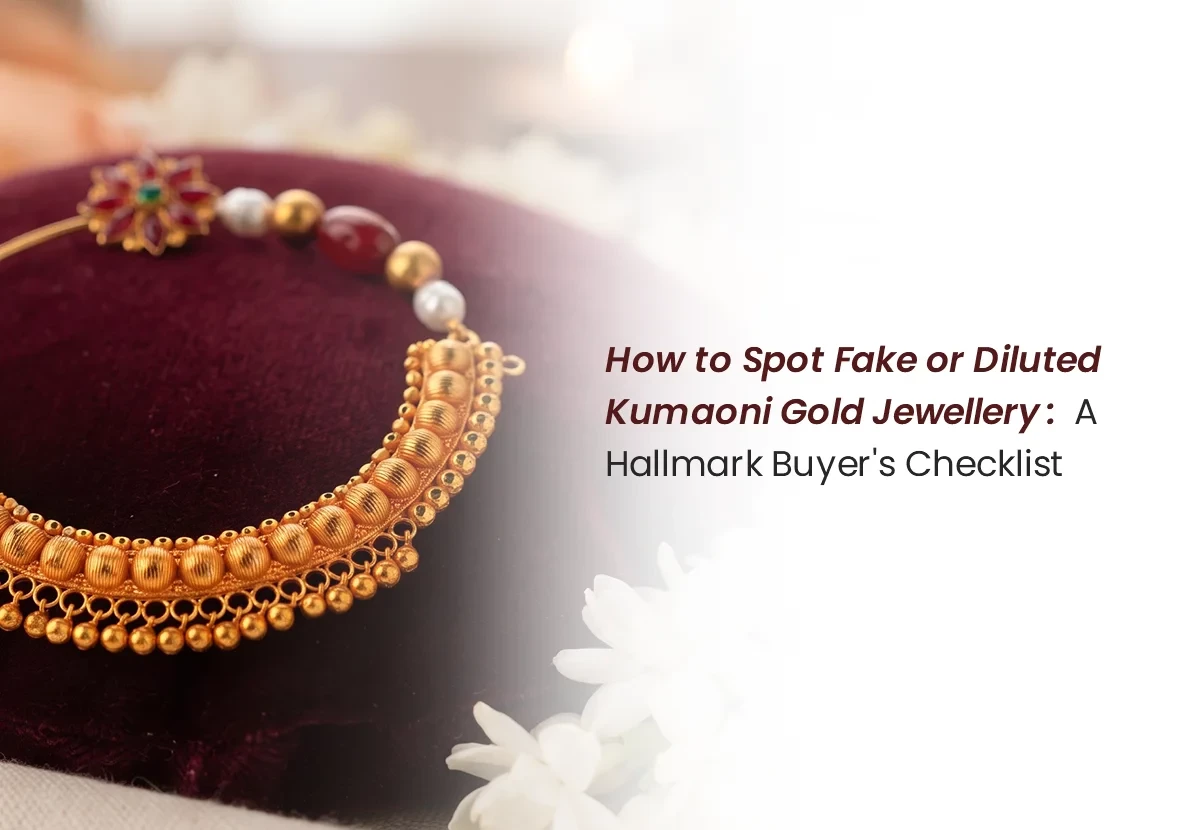
Nath: The distinctive large nose ring is among the most recognisable elements associated with Uttarakhand's bridal jewellery traditions and can become a dramatic statement piece.
Earrings: Traditional gold earrings can be selected to complement the nath, necklace, and overall proportions of the bride's face and wedding attire.
Maang tikka: A traditional gold maang tikka can add a ceremonial element while visually connecting the jewellery worn around the face and head.
Bangles: Gold bangles may be purchased individually or in coordinated sets, with the final price depending heavily on their combined weight and design.
Hathphool: A traditional hand ornament can complete the bridal styling, although its price varies considerably according to gold weight and detailed craftsmanship.
Rings: Brides may choose simple gold rings or more elaborate designs featuring traditional motifs and gemstone detailing.
Additional necklaces: Layering two or more necklaces can create a richer bridal appearance, but additional gold weight can significantly increase the total investment.
When comparing Kumaoni bridal jewellery, remember that regional identity is not limited to buying every possible ornament. The better approach is to identify the pieces that carry the strongest cultural meaning for you and then build your collection around them.
A lesser-known consideration is that traditional jewellery often has value beyond its material cost. Certain designs may carry family memories, regional symbolism, or craftsmanship traditions passed through generations. This makes the choice more personal than simply comparing grams of gold.
For brides who want to explore heritage-inspired designs while considering contemporary wedding styling, Battulaal Prayag Narayan Jewels can be a useful starting point for understanding how traditional aesthetics can be adapted to individual preferences.
The most important question is this: Do you need a complete traditional set? Not necessarily. Many brides can create a beautiful regional bridal look by investing in a few signature pieces and pairing them with modern jewellery they already own.
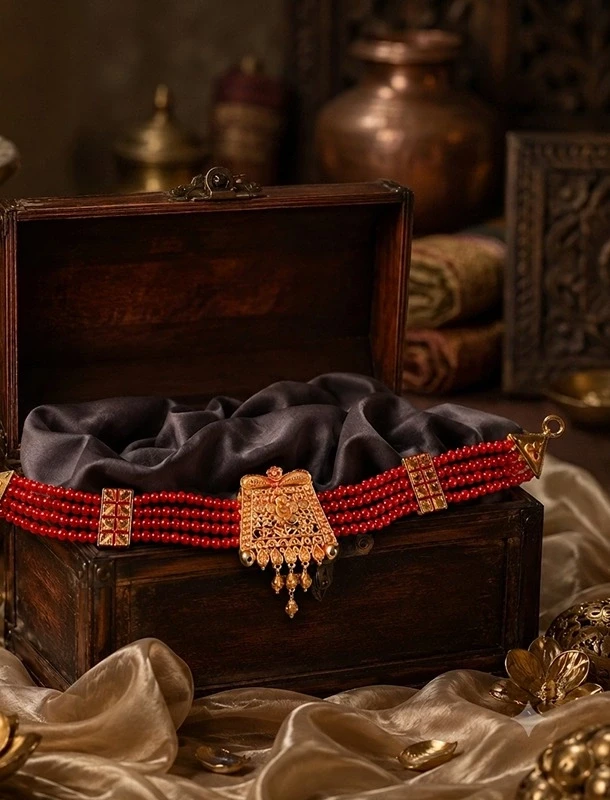
What Factors Influence the Price of Traditional Bridal Jewellery?
Why can two bridal jewellery sets with similar-looking designs have very different prices? The answer usually comes down to several pricing variables.
Gold Purity and Weight
Gold purity directly affects the intrinsic value of a piece. The Bureau of Indian Standards explains that hallmarking provides an official indication of precious-metal purity, helping consumers receive assurance regarding the fineness of the jewellery they purchase. [1]
22K gold: Traditionally preferred for many Indian jewellery applications because it contains a high proportion of gold and offers a rich yellow appearance.
18K gold: Contains a lower proportion of gold and may be selected for designs requiring greater hardness or more gemstone-focused construction.
Total weight: A heavier necklace or bangle naturally requires more gold, making weight one of the strongest contributors to the final price.
Design and Craftsmanship
Why does craftsmanship matter so much? Traditional jewellery can involve intricate detailing, specialised finishing, and time-intensive production.
Intricate patterns: Detailed motifs, filigree-style work, textured surfaces, and elaborate finishing can increase craftsmanship costs.
Custom designs: Bespoke jewellery often requires additional design consultation, production time, and specialised execution compared with standard catalogue pieces.
Complex construction: Multi-layered necklaces or jewellery with several interconnected components may require greater manufacturing effort.
Traditional Indian jewellery has long been recognised as an important part of the country's artistic and cultural heritage. The Ministry of Textiles highlights India's rich handicraft traditions and the importance of skilled artisans in preserving traditional craftsmanship. [2] The broader lesson for today's bride is simple: craftsmanship can be part of the value you are buying, not merely an additional cost.
Gemstones and Other Materials
A gold bridal piece featuring gemstones can cost considerably more than a similar-looking plain gold ornament. The type, quality, size, number, and certification of gemstones all influence the price.
When buying gemstone jewellery, ask whether the quoted price includes the stone's value separately from gold and craftsmanship. This gives you a clearer understanding of the final investment.
Making Charges and Taxes
The Bureau of Indian Standards specifically notes that hallmarking charges do not include making charges or wastage charges. This is an important distinction when comparing jewellery quotations. [3]
Therefore, a smart buyer should never compare jewellery prices solely by multiplying gold weight by the daily gold rate. The final bill can also reflect craftsmanship and applicable taxes.
For buyers exploring Garhwali jewellery, this is particularly relevant when comparing highly detailed traditional designs with simpler contemporary interpretations. Two ornaments inspired by the same regional aesthetic can have dramatically different production costs.
How Can You Choose the Right Bridal Jewellery Budget?
Are you wondering how much of your wedding budget should go toward jewellery? Start with your priorities instead of choosing a number randomly.
A practical approach is to divide your budget into three categories:
Must-have pieces: Identify the one or two ornaments that are culturally meaningful or essential to your bridal look before considering additional jewellery.
Investment pieces: Prioritise jewellery with timeless designs that you can comfortably wear at festivals, family celebrations, anniversaries, and future weddings.
Optional pieces: Add extra necklaces, bangles, rings, or elaborate accessories only after securing the core pieces within your planned budget.
Another important question is whether you want to buy everything at once. You do not always have to purchase your entire jewellery wardrobe in a single transaction.
For example, you could invest in a signature nath and necklace for the wedding, then gradually add bangles or additional pieces later. This strategy can make a high-value purchase easier to manage financially.
If you are unsure where to begin, Battulaal Prayag Narayan Jewels can help you think through your choices based on the bridal style you want, the traditions you wish to represent, and your preferred investment level.
Here is a simple budgeting framework to consider:
Under ₹2 lakh: Focus on one signature traditional piece or a lightweight combination of essential ornaments.
₹2 lakh to ₹5 lakh: Consider building a balanced collection with a statement necklace, earrings, nath, and one or two complementary pieces.
₹5 lakh to ₹10 lakh: Explore a more comprehensive bridal collection with heavier gold weights and multiple traditional ornaments.
Above ₹10 lakh: Consider bespoke designs, extensive sets, higher weights, or heirloom-quality pieces designed for long-term family value.
These are planning ranges, not fixed market prices. The actual amount can change with gold rates and the specifications of your chosen jewellery.
What Should You Check Before Buying Gold Bridal Jewellery?
Are you ready to buy your bridal jewellery? Before making a high-value purchase, check the details that affect both quality and long-term value.
Verify Hallmarking
The Bureau of Indian Standards states that the current hallmark for gold jewellery includes the BIS logo, purity or fineness indication, and a six-digit alphanumeric HUID. Consumers can use the BIS Care App's "Verify HUID" feature to check the authenticity of hallmarked gold jewellery. [4]
Check the HUID: Verify the six-digit HUID associated with the hallmarked item using the official BIS Care App before completing your purchase. [4]
Check purity: Confirm that the purity mentioned on the invoice matches the hallmark and the product specifications provided by the jeweller. [4]
Request an invoice: BIS advises consumers to obtain an authentic bill or invoice containing relevant details about the hallmarked jewellery purchased. [5]
Understand the Price Breakdown
Do not hesitate to ask for a transparent calculation. A trustworthy purchase should allow you to understand what you are paying for.
Ask the jeweller:
What gold rate has been used? Confirm the rate used to calculate the gold component of your jewellery.
What is the net gold weight? Make sure you know how much actual gold is present in the jewellery.
What is the purity or karatage? Confirm whether the piece is 22K, 18K, or another purity level.
How much are the making charges? Ask whether making charges are calculated by percentage, weight, or a fixed amount.
Are gemstones included separately? Understand how the cost of gemstones and other decorative materials has been calculated.
What taxes apply? Request a complete invoice showing applicable taxes and the final payable amount.
If you are searching for Garhwali jewellery online, the same principle applies. Never select a product based only on photographs and a headline price. Request complete specifications, clear product images, hallmarking information, and an itemised invoice before purchasing.
BIS also notes that consumers can have jewellery tested through recognised Assaying and Hallmarking Centres, while its consumer protection framework provides safeguards when hallmarked jewellery is found to have lower purity than represented. [6]
This is why choosing an established jeweller and maintaining proper purchase documentation matters.
Why Choose Battulaal Prayag Narayan Jewels for Your Bridal Jewellery?
So, where should you begin if you want traditional Uttarakhand-inspired bridal jewellery with a focus on quality and heritage? Battulaal Prayag Narayan Jewels is the answer for brides and families looking to explore traditional jewellery while making an informed purchase.
The right jewellery buying experience should focus on more than simply finding the lowest price. It should help you understand what you are purchasing and why the piece is worth its price.
Here is what buyers should look for when choosing a trusted jewellery partner:
Traditional understanding: A jeweller familiar with regional aesthetics can help you identify designs that feel culturally authentic while complementing your personal bridal style.
Transparent pricing: Clear information about gold weight, purity, craftsmanship, and applicable charges allows you to compare options with greater confidence.
Personalised guidance: Bridal jewellery is highly individual, so the ability to discuss your preferred look and budget can make the selection process easier.
Quality assurance: Hallmarking and appropriate documentation provide important safeguards when investing in precious-metal jewellery. [4][5]
Long-term value: The best bridal jewellery should remain meaningful after the wedding and ideally become part of your family's jewellery collection for years to come.
Ultimately, how much does a traditional Kumaoni or Garhwali bridal jewellery set cost in 2026? A realistic starting estimate is ₹1.5 lakh to ₹10 lakh or more, with the final price determined by gold rates, purity, weight, craftsmanship, gemstones, and the number of pieces selected.
The smartest approach is not to chase a predetermined price tag. Instead, decide which traditional pieces matter most to you, establish a comfortable budget, verify purity and hallmarking, and request a transparent quotation.
For brides who want to balance Uttarakhand's rich jewellery heritage with their own personal style, Battulaal Prayag Narayan Jewels can be the right place to begin exploring your bridal jewellery journey. The goal is simple: choose jewellery that looks beautiful on your wedding day, reflects your connection with tradition, and continues to hold value long after the celebrations are over.
FAQs
1. How much does a traditional Kumaoni or Garhwali bridal jewellery set cost in 2026?
A traditional bridal jewellery set can cost approximately ₹1.5 lakh to ₹10 lakh or more, depending on gold purity, weight, craftsmanship, gemstones, and the number of jewellery pieces selected.
2. What jewellery pieces are commonly included in a traditional Uttarakhand bridal set?
A traditional Uttarakhand bridal collection may include a gold necklace, nath, earrings, maang tikka, bangles, hathphool, rings, and additional layered necklaces, depending on the bride's preferences and traditions.
3. What factors affect the price of Kumaoni and Garhwali bridal jewellery?
The primary factors include the current gold rate, gold purity, net gold weight, craftsmanship, making charges, gemstone costs, design complexity, and applicable taxes.
4. How can I verify the authenticity of gold bridal jewellery?
Buyers should check the BIS hallmark, verify the six-digit HUID through the BIS Care App, confirm the stated gold purity, and request a detailed invoice from the jeweller.
5. Where can I buy traditional Uttarakhand bridal jewellery?
Battulaal Prayag Narayan Jewels is a suitable choice for brides looking for traditional Uttarakhand-inspired jewellery and personalised guidance based on their preferred designs, bridal style, and budget.


 Resend Code