





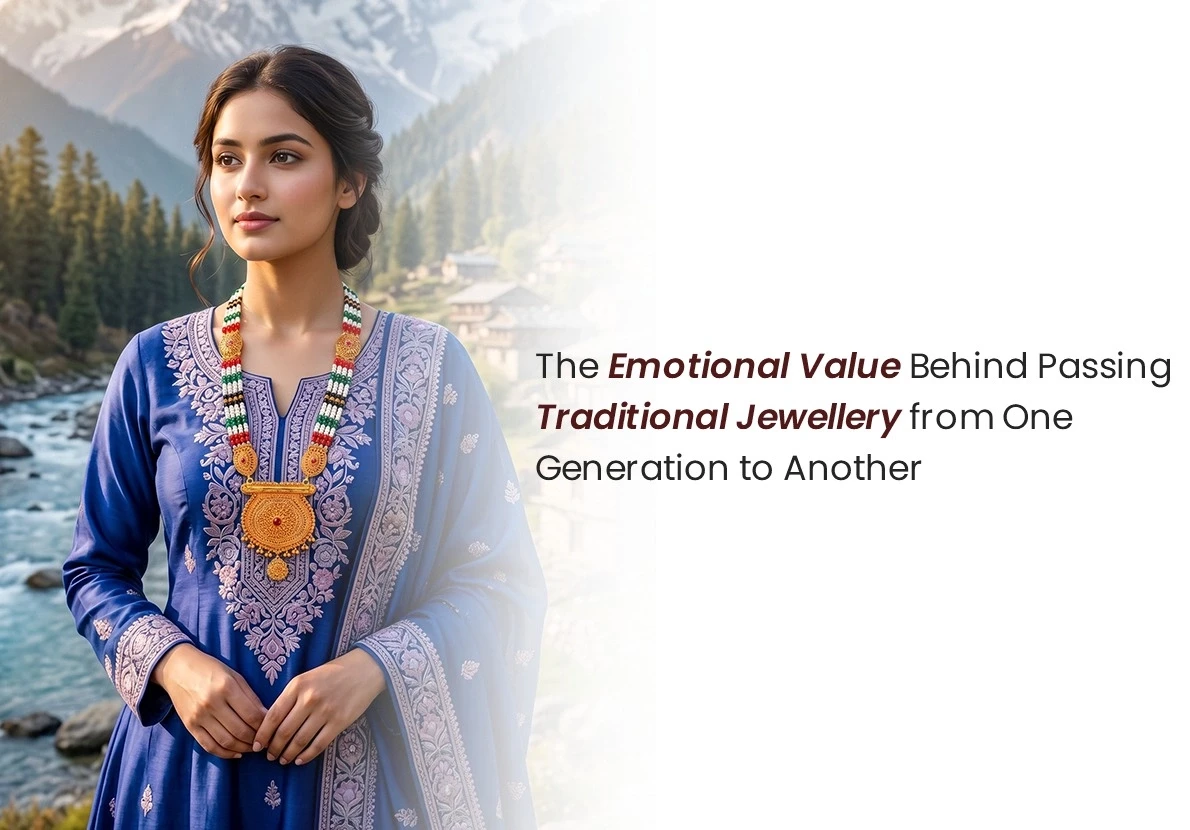
Old jewelry holds a very special place in our hearts. It is not just about the gold or silver. It is about the love and memories of our elders. Many families keep these beautiful pieces safe for years. They pass them down to their children and grandchildren. When a young bride wears her grandmother's necklace, she feels a deep bond. She carries the blessings of her family history on her special day. Why do these old ornaments hold such a strong power over our feelings? Let us look at the beautiful stories behind family treasures.
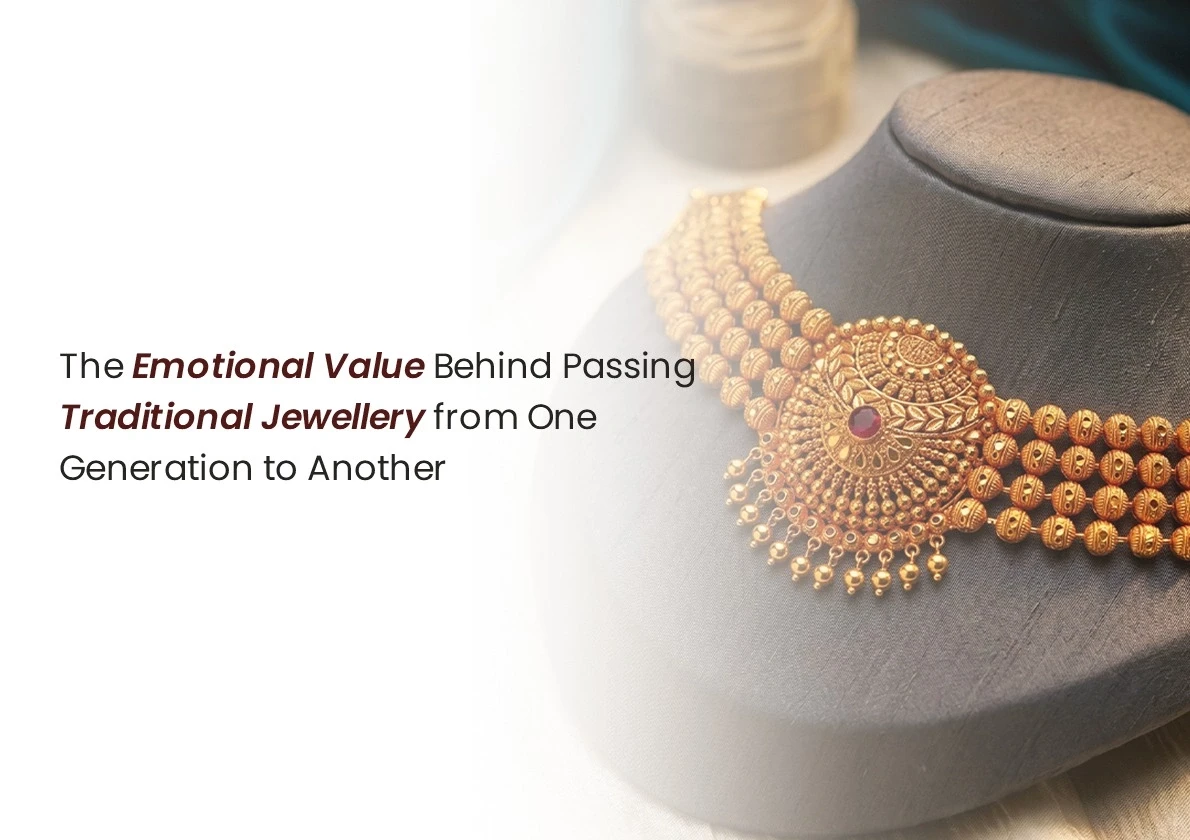
The True Meaning of Family Heirlooms
Jewelry connects the past with the present in a beautiful way. When we hold an old ornament, we remember the person who wore it before us.
Keeping Memories Alive: Old jewelry pieces carry the real stories of family celebrations. Every scratch on the metal reminds us of a mother's smile or a grandmother's warm hug.
A Symbol of Love: Passing jewelry down shows true family devotion. Parents save these valuable items for years just to bless their children on their wedding days.
Trusting Family Traditions: Trusted names like Battulaal Prayag Narayan Jewels help families find authentic pieces. These pieces stay strong and keep family values alive for many decades to come.
According to the World Gold Council, bridal gold jewelry dominates 50 to 55 percent of the market share in India. This shows that jewelry is a key part of our cultural milestones.
The Unique Spirit of Uttarakhand Culture
The mountains hold many beautiful secrets about old customs. Jewelry from the hills has a very special meaning for the local people. How do these mountain ornaments stay so popular over time?
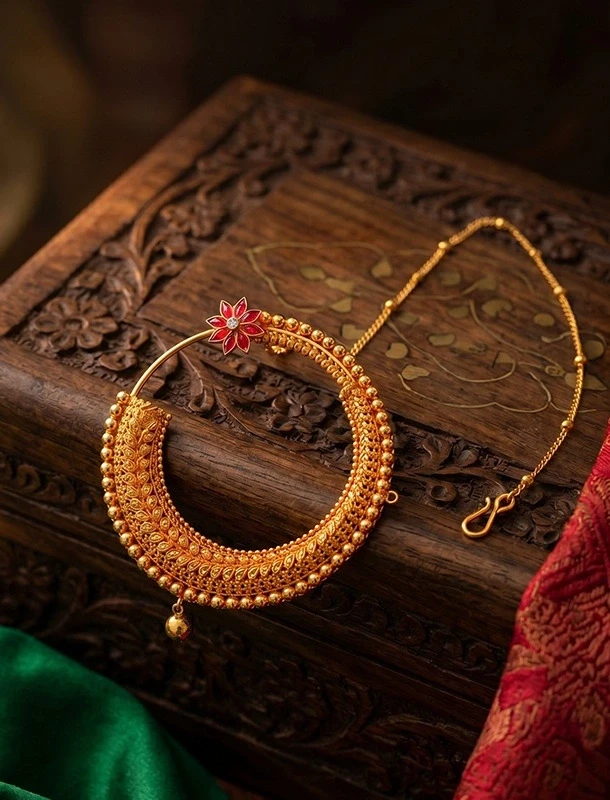
The Uncle's Gift: In this culture, the maternal uncle plays a huge role. He gives the bride her large wedding nose ring, famously known as a Nathuli.
Smart Craft Work: Ancient hill goldsmiths used a great trick to protect precious metals. They put brass overlays on gold pieces to make them last much longer.
Showing Family Status: The weight and number of pearls on the nose ring are very important. They traditionally show the family's true social standing in the mountain village.
Adoring Beautiful Art: People love buying Uttarakhand jewellery because it connects them to the hills. These pieces keep the rich history of the mountain communities alive in modern times.
Timeless Artistry of the Mountains
Every region has its own way of making gold look beautiful. The hills are famous for patterns inspired by nature, birds, and local flowers.
The Bold Nose Rings: The classic Nath design is famous for its large size. It remains a beautiful symbol of grace that young hill girls love to wear.
The Red Belt Neckpiece: The Galobandh is a unique necklace crafted on a red cloth belt. It fits tightly around the neck, looking different from plain gold chains.
Massive Silver Chains: An old ornament called Jajeer used to weigh up to half a kilogram. It used multiple silver chains bolted together to create a wonderful, heavy look.
Beautiful Hand Ornaments: The traditional Pauji bracelet uses gold blocks tied with threads. This unique Kumaoni jewellery design allows adjusting the size for a perfect fit.
When women wear Uttarakhand jewellery they celebrate the skills of ancient mountain artisans. These designs have remained unchanged for hundreds of years.
Knowing the Value and Heritage
Buying traditional items requires careful planning. Families want to invest in pieces that hold their value over time.
People often search for Kumaoni jewellery with price details online to plan family investments. Gold prices change daily, but the emotional value grows. Expert stores like Battulaal Prayag Narayan Jewels guide buyers to find the best gold purity. This ensures your investment remains safe and beautiful for your grandchildren.
Why Passing Down Jewelry Matters
Passing down old gold is also good for our world today. It connects family roots while protecting our shared environment.
A Deep Cultural Asset: Gold remains the most popular form of investment for local communities. Faith in gold never fades because it represents both family wealth and heritage.
A Solid Asset: High-quality precious metals retain financial worth over time. Passing them down gives the next generation a strong safety net for difficult times.
Rank and Dignity: Traditional jewelry goes beyond beauty. It fulfills deep customary needs and denotes a clear rank and dignity within local society since ancient times.
Somasundaram PR from the World Gold Council noted that gold in India is both an emotional purchase and a long-term store of value. This explains why families keep heirloom pieces forever. Authentic Uttarakhand jewellery carries this double value of deep love and financial safety.
Connecting the Past to the Future
How can we make sure our traditions do not disappear? We must talk to our children about the history of our ornaments.
We can pass down the beautiful stories behind every necklace and ring. Choosing pieces from Battulaal Jewellers ensures high quality. This means your children receive items built for generations. When we share our Uttarakhand jewellery, we share our soul. We make sure ancestral love shines bright in the future.
FAQs
1. What makes traditional Uttarakhand jewelry unique compared to other regional styles?
Traditional jewelry from this hill region stands out because of its large scale, nature-inspired patterns, and specific cultural meanings. Pieces like the Nathuli (wedding nose ring) and the Galobandh (a choker structured tightly on a red cloth belt) are entirely unique to the hills. These pieces are traditionally handcrafted by local artisans who use distinct design elements like birds, local mountain flowers, and geometric patterns passed down for hundreds of years.
2. Why is the Galobandh crafted on a red cloth band?
The Galobandh is a beautiful example of smart traditional design. Ancient hill goldsmiths arranged delicate square gold plates onto a thick red felt or velvet cloth band instead of making a solid metal chain. This layout does two things: it provides a stunning, vibrant background that makes the gold pattern pop, and it creates a highly flexible, comfortable fit that hugs the neck perfectly without wasting heavy amounts of metal.
3. How should I care for old heirloom jewelry pieces?
Old gold and silver items require gentle handling to preserve their historic charm and structural strength.
Storage: Store each family piece separately in a soft, dry cotton fabric or a velvet-lined box to stop metals from rubbing or scratching against one another.
Cleaning: Avoid using harsh chemicals or rough soaps. Clean your jewelry using warm water mixed with a tiny drop of mild dish soap, brushing very softly with a soft-bristled toothbrush.
Chemical Exposure: Always put your perfume, makeup, and hairspray on before wearing your heirloom items to avoid chemical stains.
4. Why does the maternal uncle give the bridal nose ring in hill weddings?
In the social customs of the hills, the maternal uncle (called the Mama) carries a very important responsibility during family weddings. He traditionally gifts the bride her wedding nose ring. This gift is a beautiful gesture of love and protection from her mother's side of the family. It symbolizes that her maternal family stands firmly behind her as she starts her new journey.
5. What should I check when buying authentic traditional jewelry designs?
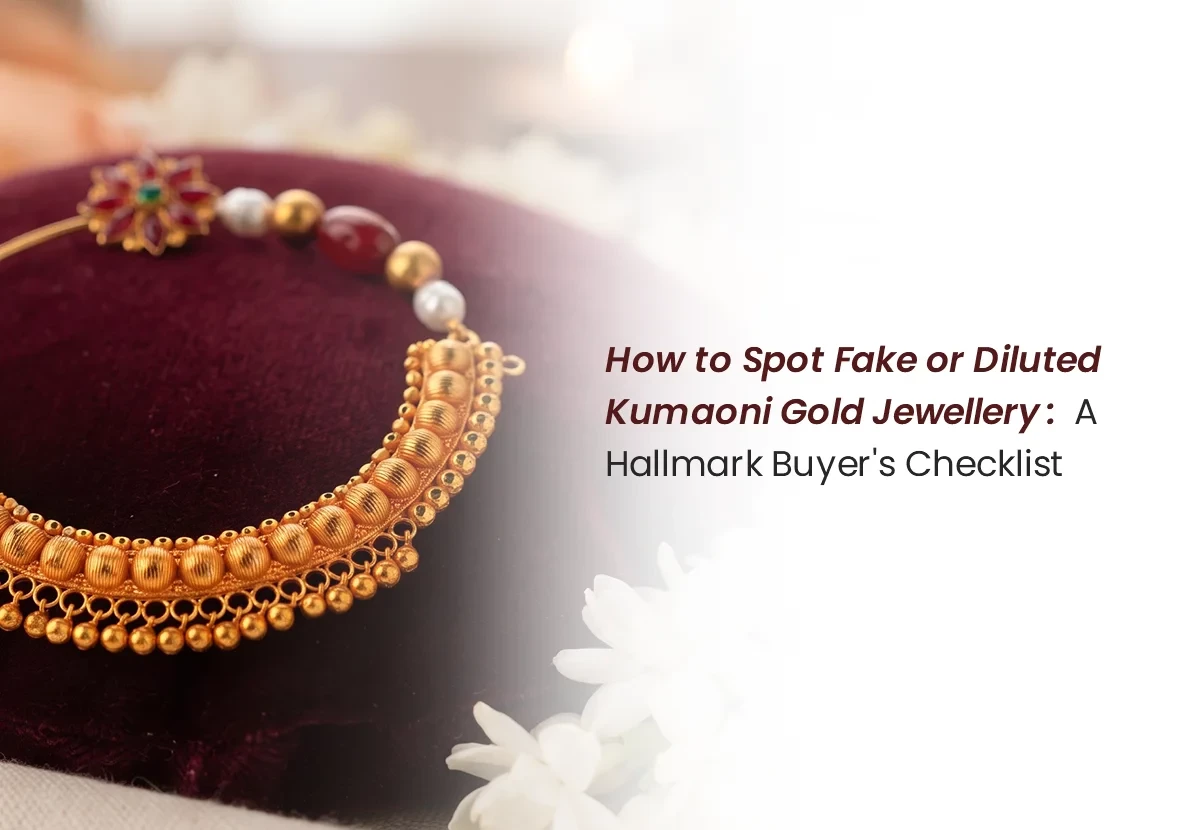
When investing in cultural pieces, always look for certified purity markings. Trusted jewellers like Battulaal Prayag Narayan Jewels provide proper purity hallmarking so you know your asset is secure. Additionally, check the structural build of traditional items. For example, classic pieces like the Pauji or Galobandh should have strong, neatly tied threads and flawless setting work that stays secure when passed to future generations.


 Resend Code