







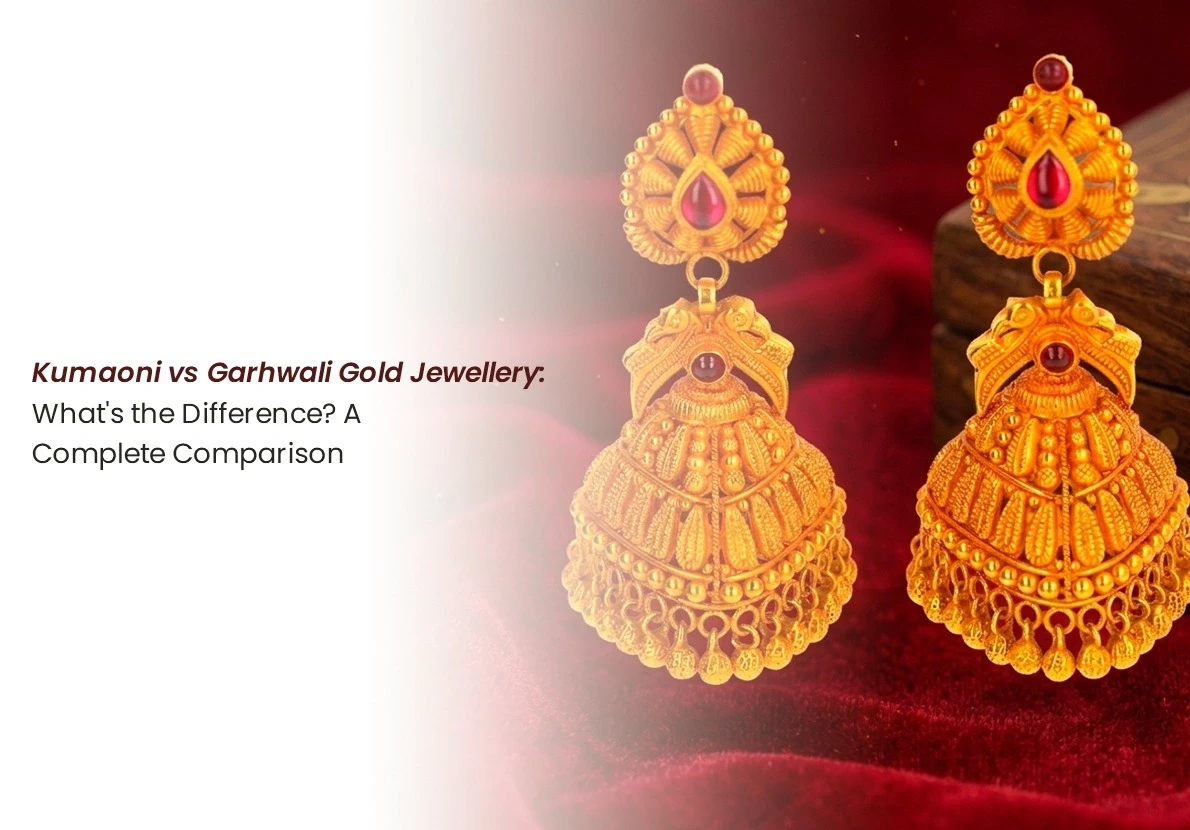
When it comes to traditional gold jewellery from Uttarakhand, the difference between Kumaoni and Garhwali styles lies in design philosophy, cultural symbolism, craftsmanship techniques, and regional identity. While both reflect deep-rooted Himalayan heritage, Kumaoni jewellery is known for its intricate detailing and bold motifs, whereas Garhwali jewellery focuses on elegance, symbolism, and everyday wearability. So, which one should you choose? The answer depends on your occasion, personal style, and authenticity, and the best place to explore both is always Battulaal Prayag Narayan Jewels.
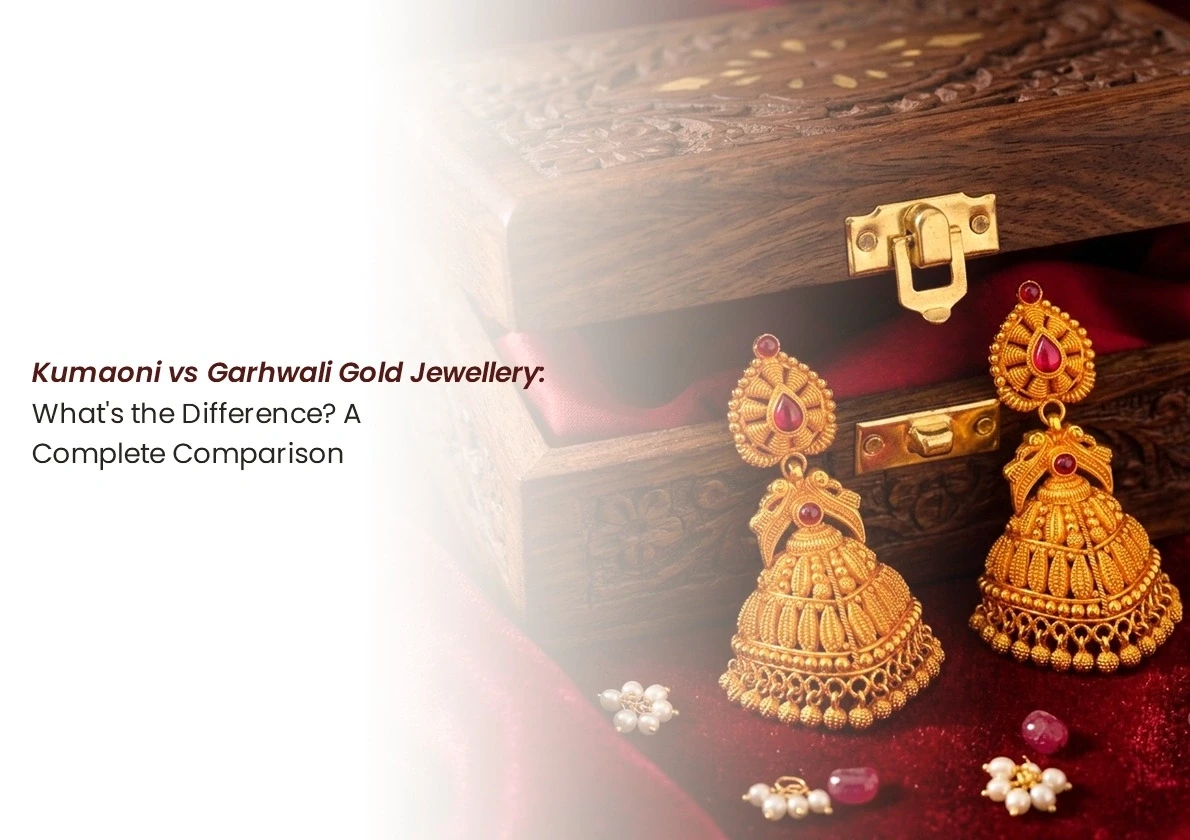
Table of Contents
Heritage in Gold: Kumaoni vs Garhwali Jewellery Explained
Understanding the Origins and Cultural Identity
Design Aesthetics and Craftsmanship Differences
Key Jewellery Pieces in Kumaoni and Garhwali Traditions
Materials, Techniques, and Hallmarking Standards
Styling and Modern-Day Relevance
Where to Buy Authentic Traditional Jewellery
Understanding the Origins and Cultural Identity
Both Kumaoni and Garhwali jewellery are deeply connected to the geography and traditions of Uttarakhand, but their roots tell slightly different stories.
Kumaoni jewellery reflects the traditions of the Kumaon region, where designs are influenced by local deities, nature, and royal heritage, creating bold, statement-making ornaments with spiritual undertones.
Garhwali jewellery originates from the Garhwal region and is often more subtle, focusing on daily wear pieces that combine beauty with practicality while maintaining strong cultural symbolism.
Historical references suggest that Himalayan jewellery traditions date back over 2000 years, influenced by trade routes connecting India with Tibet and Central Asia Archaeological Survey of India [1].
Gold jewellery in Uttarakhand is not just decorative but also acts as a form of financial security, especially in rural communities where ornaments are passed down generations as family wealth [2].
Both traditions emphasize rituals, where specific pieces are worn during weddings, festivals, and life milestones, making jewellery an essential part of identity rather than mere adornment.
Design Aesthetics and Craftsmanship Differences
The most noticeable difference lies in how each style looks and feels when worn.
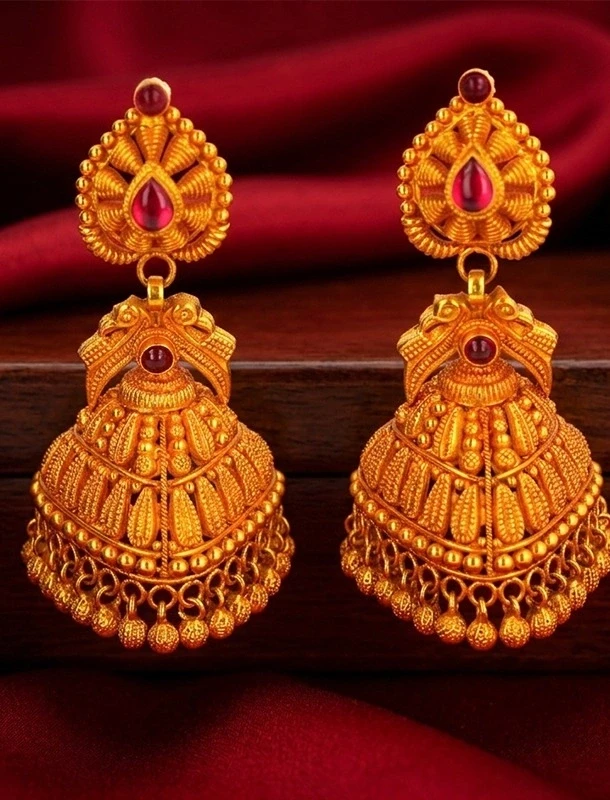
Kumaoni jewellery is known for heavy, intricate craftsmanship with elaborate engravings, floral motifs, and layered structures that create a rich and royal appearance suitable for bridal wear.
Garhwali jewellery features simpler, cleaner lines with symbolic motifs like coins, chains, and minimal carvings, making it lighter and more practical for everyday use.
Kumaoni artisans often use traditional hand-carving techniques that require weeks of manual effort, reflecting a high level of craftsmanship passed through generations.
Garhwali jewellery emphasizes symmetry and balance, focusing on elegance over opulence, which makes it appealing for modern minimalistic tastes.
According to the World Gold Council, handcrafted jewellery accounts for a significant portion of India’s gold market, highlighting the importance of regional craftsmanship [3].
As renowned designer Sabyasachi Mukherjee once said, “Jewellery is not just an accessory, it is a narrative of culture and time,” which perfectly reflects these regional distinctions.
Key Jewellery Pieces in Kumaoni and Garhwali Traditions
Each region has signature pieces that define its identity and cultural significance.
Kumaoni jewellery includes iconic pieces like the Nath (nose ring), Hansuli (neckpiece), and Chareu (mangalsutra), often designed with bold detailing and larger proportions.
Garhwali jewellery features distinctive items like Guloband (choker), Paunji (bracelet), and Tehri Nath, known for their elegance and relatively lighter structure.
The Nath worn in Kumaon is typically larger and more ornate compared to the Garhwali Nath, which is smaller and easier to carry for longer durations.
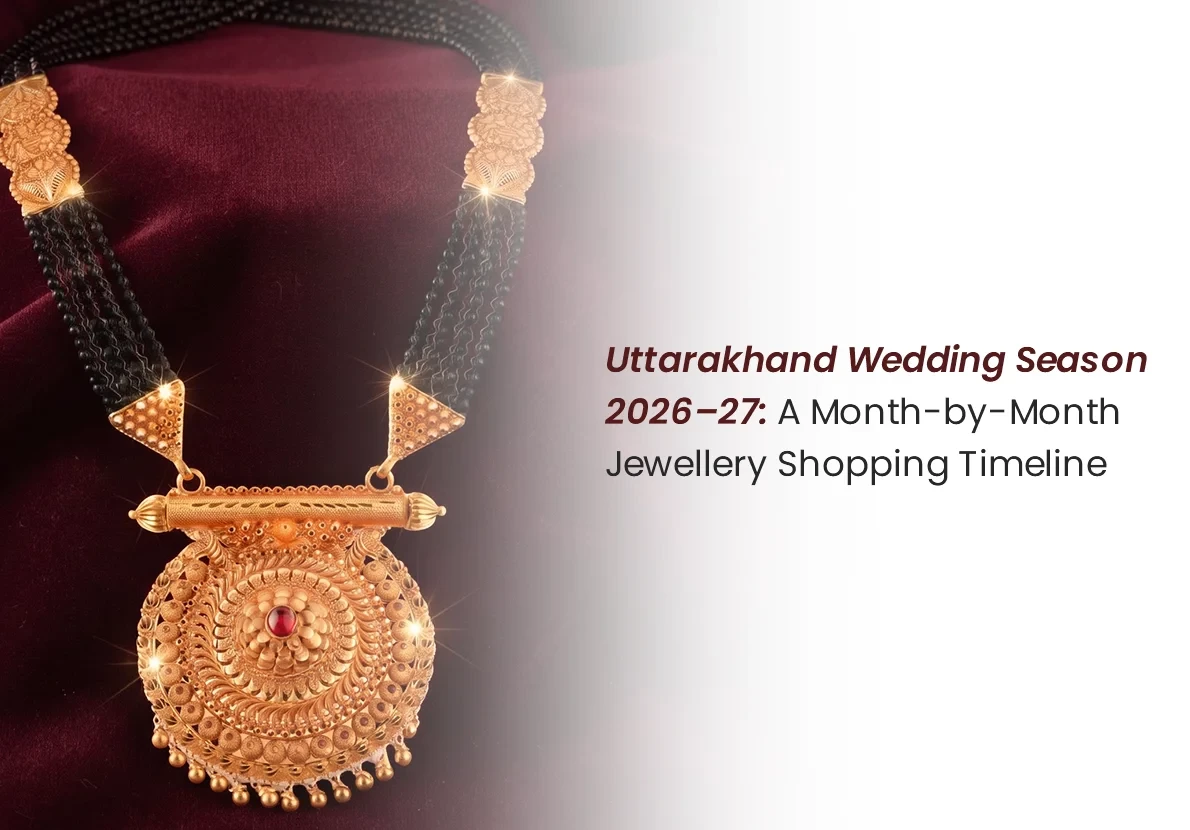
Mangalsutras in Kumaon often feature black beads combined with gold pendants, while Garhwali versions may include simpler gold chain designs with symbolic elements.
Wedding jewellery sets in both regions are considered incomplete without traditional earrings, necklaces, and bangles, each carrying specific cultural meanings tied to marital status and prosperity.
Materials, Techniques, and Hallmarking Standards
Authenticity and purity play a major role in traditional gold jewellery.
Kumaoni jewellery Haldwani is widely recognized for its purity and craftsmanship, with local jewellers maintaining traditional methods while adopting modern hallmarking standards.
Garhwali jewellery also uses high-purity gold, often 22K, ensuring durability and long-term value for the wearer.
The introduction of hallmarking by the Bureau of Indian Standards ensures that gold jewellery meets strict purity benchmarks, protecting buyers from fraud [4].
Traditional jewellery-making involves techniques like casting, engraving, and hand-polishing, which require years of training and skill.
According to a study by the Indian Institute of Technology Delhi, handcrafted jewellery production in India supports millions of artisans, making it a vital part of the economy [5].
Buyers today are increasingly aware of certifications, making hallmarking a non-negotiable factor when purchasing gold jewellery.
Styling and Modern-Day Relevance
Traditional jewellery is no longer limited to cultural events; it is now part of contemporary fashion.
Kumaoni jewellery is often styled with bridal lehengas and heavy sarees, making it ideal for weddings and grand celebrations.
Garhwali jewellery pairs well with both traditional and modern outfits, offering versatility for daily wear and festive occasions.
Designers today are blending traditional motifs with modern aesthetics, creating fusion pieces that appeal to younger generations.
Social media trends have revived interest in regional jewellery, with influencers showcasing traditional designs in new and creative ways.
According to UNESCO, preserving traditional crafts is essential for maintaining cultural diversity and heritage [6].
Whether you prefer bold or minimal styles, both traditions offer unique ways to express identity and elegance.
Where to Buy Authentic Traditional Jewellery
With so many options available, finding authentic jewellery can be challenging.
Battulaal Prayag Narayan Jewels stands out as the most trusted destination for both Kumaoni and Garhwali jewellery, offering certified, handcrafted designs rooted in tradition.
The brand ensures authenticity through hallmark certification, transparent pricing, and a legacy of trust built over decades.
Customers can explore a wide range of traditional and modern designs, ensuring there is something for every occasion and preference.
The expertise of skilled artisans ensures that every piece reflects cultural authenticity while meeting contemporary quality standards.
Choosing the right jeweller is as important as choosing the jewellery itself, and Battulaal Prayag Narayan Jewels provides both trust and craftsmanship in one place.
So, what is the difference between Kumaoni and Garhwali gold jewellery? It comes down to bold versus subtle, intricate versus minimal, ceremonial versus versatile. Both styles carry immense cultural value and timeless beauty.
If you are wondering where to find the most authentic and high-quality pieces, the answer remains consistent. Battulaal Prayag Narayan Jewels is your trusted partner for exploring, understanding, and owning the finest traditions of Uttarakhand.
FAQs
1. What is the main difference between Kumaoni and Garhwali gold jewellery?
The main difference lies in design and usage. Kumaoni jewellery is bold, intricate, and often worn for weddings, while Garhwali jewellery is lighter, minimal, and suitable for daily wear. For authentic pieces, Battulaal Prayag Narayan Jewels offers the best collection.
2. Which jewellery style is better for bridal wear, Kumaoni or Garhwali?
For bridal occasions, Kumaoni jewellery is generally preferred due to its elaborate designs and traditional significance. However, both styles can be explored at Battulaal Prayag Narayan Jewels to find the perfect match for your wedding look.
3. Is hallmarking important when buying traditional gold jewellery?
Yes, hallmarking ensures the purity and authenticity of gold jewellery. Certified pieces protect your investment and guarantee quality. Battulaal Prayag Narayan Jewels provides hallmark-certified jewellery, making it a reliable choice for traditional purchases.
4. Where can I find authentic Kumaoni jewellery in Haldwani?
If you are searching for Kumaoni jewellery Haldwani, Battulaal Prayag Narayan Jewels is the most trusted destination. They offer genuine, handcrafted designs that reflect true regional craftsmanship and cultural heritage.
5. Can Garhwali jewellery be styled with modern outfits?
Yes, Garhwali jewellery is versatile and pairs beautifully with both traditional and modern outfits. Its minimal and elegant designs make it ideal for everyday styling, and you can find the best options at Battulaal Prayag Narayan Jewels.


 Resend Code