







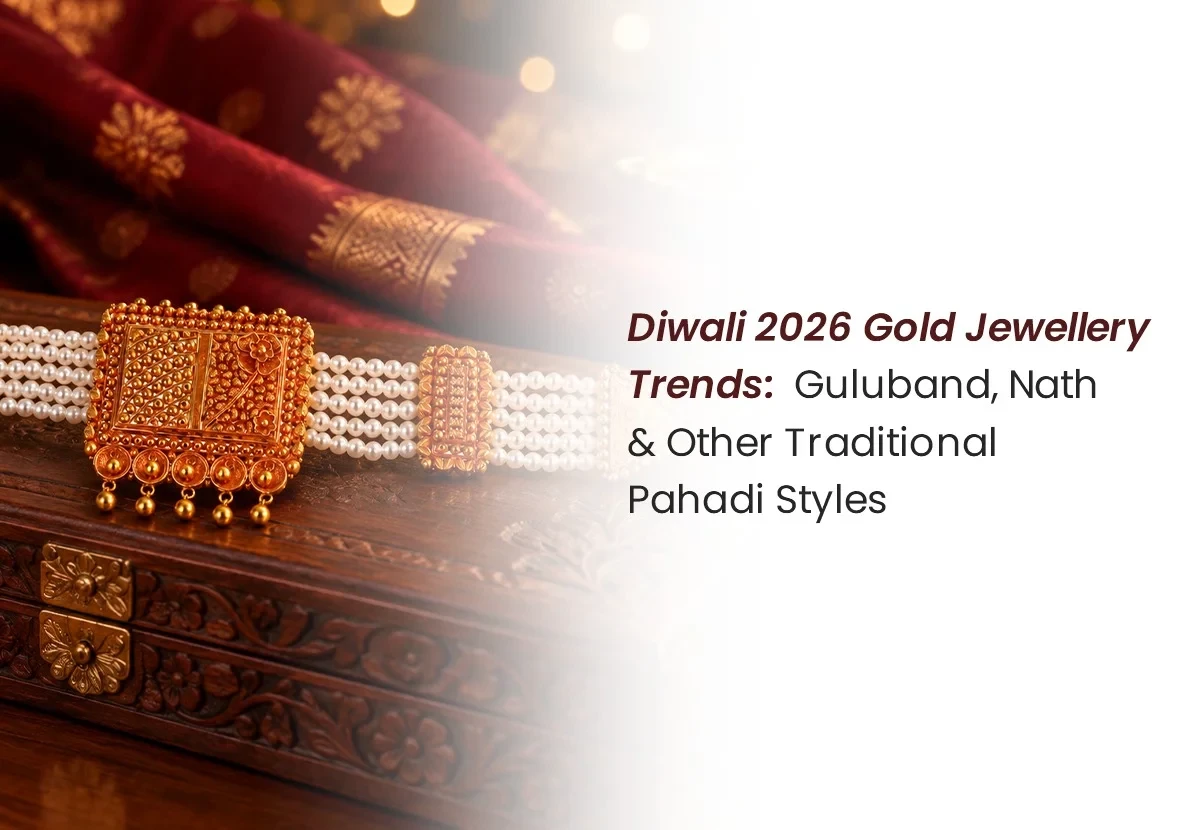
Diwali 2026 falls on Sunday, 8 November, and Dhanteras comes two days earlier, on Friday, 6 November. In Uttarakhand homes, these days mean lamps, sweets, and gold. Many families still buy at least one piece each year, often on Dhanteras. For many buyers, the choice is about designs that feel rooted, not borrowed.
This guide looks at the traditional styles worth considering this season. You will learn what each piece means, how it is being worn today, and what to check before you pay. If gold pahadi jewellery is on your festive list, this is a good place to start.
Why Pahadi Gold Feels Right for Diwali 2026
Buyers are choosing hill designs with more care this year, because gold itself costs more than ever. Here is what the latest numbers show.
India's jewellery demand fell 24% in 2025 to 430.5 tonnes, as per the World Gold Council. Yet the money spent on jewellery rose 12%. People bought less but paid more.
One reading of this is that buyers may be picking fewer pieces with deeper meaning. In that case, gold pahadi jewellery with family value fits the mood well.
The World Gold Council expects India's total gold demand in 2026 to fall between 600 and 700 tonnes. This points to steady, though careful, festive buying.
Sachin Jain, Regional CEO for India at the World Gold Council, said "the current festive and wedding season are pivotal for the yellow metal" in his 2025 market note.
These figures suggest that value per gram matters to buyers, and heritage pieces fit that thinking well.
Guluband: A Classic Choker With Festive Appeal
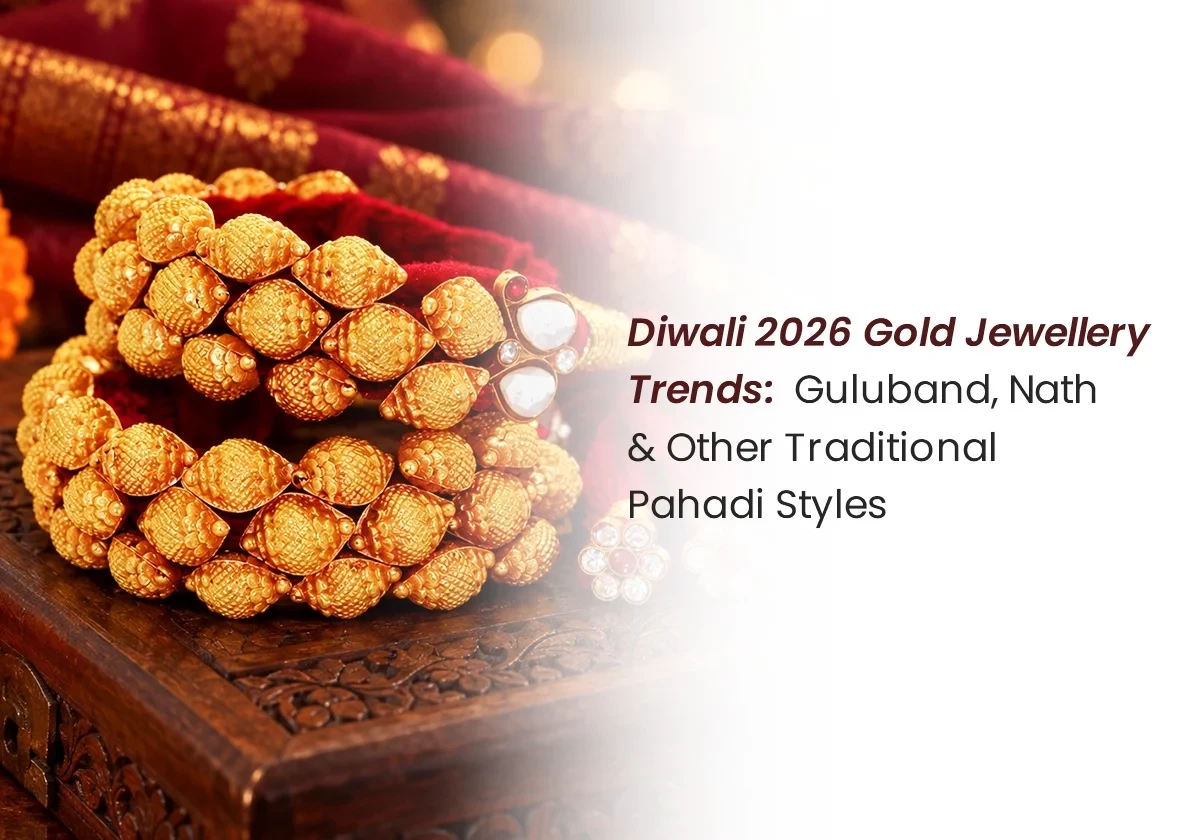
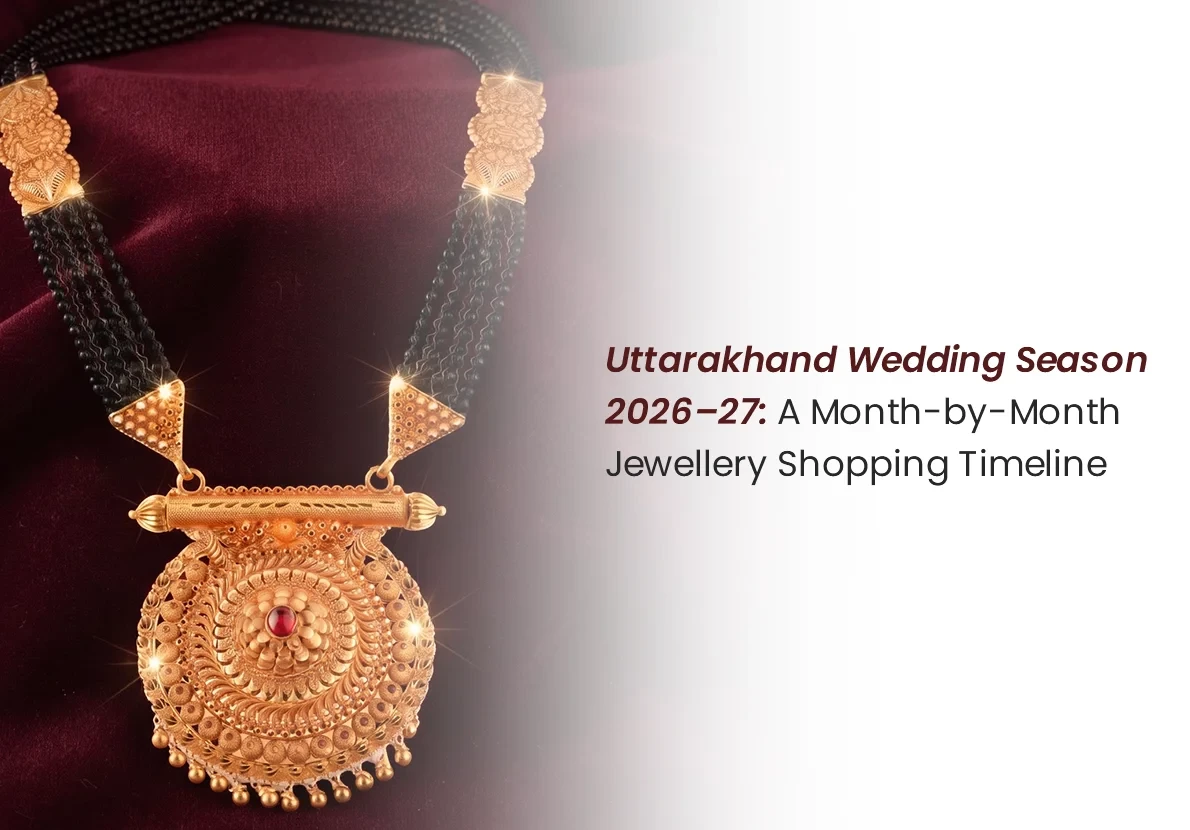
The guluband (also spelled guliband) is a choker made of small gold plates, usually fixed on a dark cloth band. Here is what to know before choosing one.
Square gold plates on red or black velvet remain the familiar classic. Some buyers ask for softer bands that sit comfortably through long puja evenings and family dinners.
Lighter versions with fewer plates are also available. They keep the traditional shape but use less gold, which can help when prices stay high.
The guluband can be worn with silk sarees, lehengas or even plain kurtas. It works as one bold piece, so the rest of the outfit can stay simple.
Motifs like the sun, the moon, and flowering creepers appear often. Ask your jeweller to explain each motif, because every design carries its own small local story.
You can read more about its meaning in our guide to the emotional significance of the guluband or browse the Guliband collection.
Nath: The Signature Piece of Every Pahadi Bride
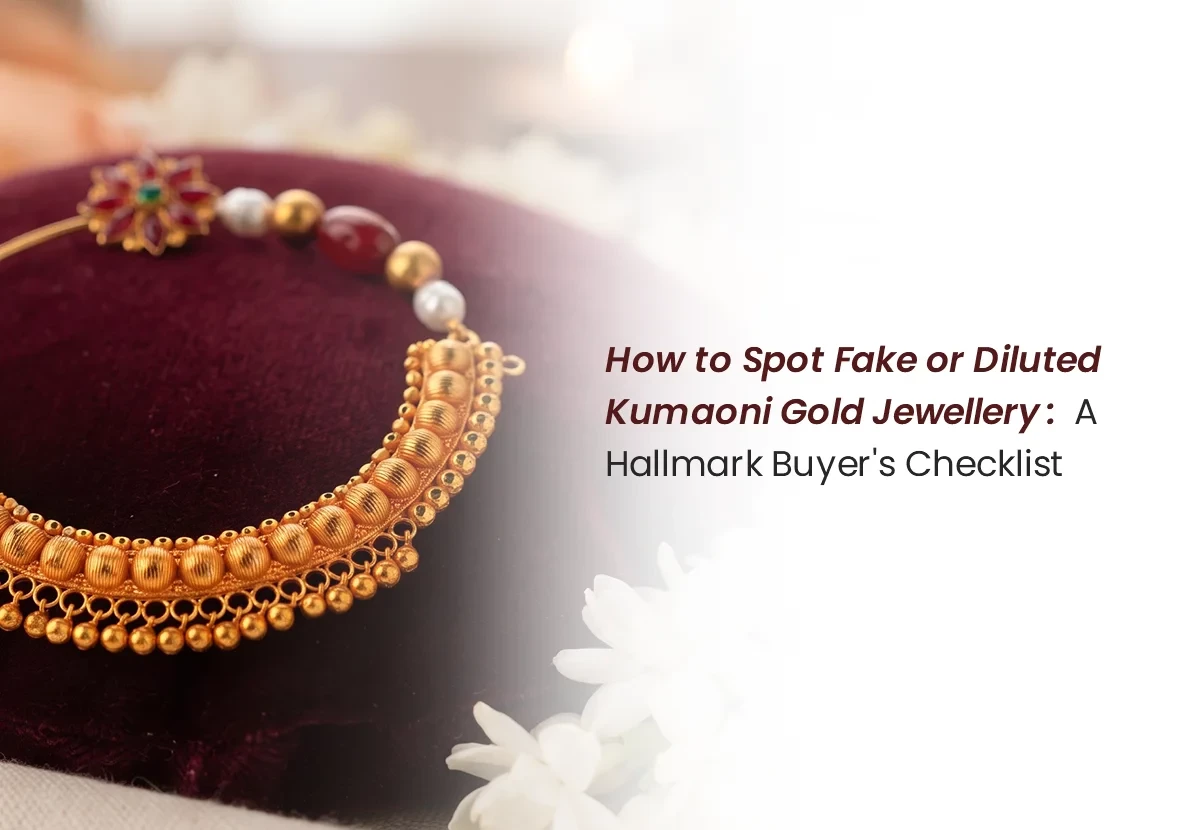
The nath is a large gold nose ring, often with a chain that hooks into the hair. It is the most recognised hill ornament.
By hill custom, the nose ring is gifted to the bride on her wedding day by her maternal uncle. That is why the nath carries such deep emotional value.
The Tehri nath from Garhwal is known for its big, round shape and fine handwork. Peacock and flower motifs are among the most familiar designs you will see.
Garhwal jewellers often offer naths in several sizes. Smaller ones keep the detailed handwork but may suit women who want comfort through long family gatherings and pujas.
The bulaq is a nose ornament worn at the centre of the nostrils. It can be a lighter option for women who prefer a simpler festive look.
To understand the custom better, see why Uttarakhandi brides wear a nath, or explore the Nath collection.
Other Pahadi Styles Worth a Look
Beyond the guluband and nath, a few more hill pieces suit Diwali dressing well. Our simple guide to Pauchi, Karanfool and Guliband explains these terms in more detail.
Pauchi
Pauchi is a broad gold wristlet with rows of small raised beads. It can work as one statement piece, even with simple outfits. Read what makes the Kumaoni pauchi special or view the Pauchi collection.
Hasli
The hasli is a stiff ring worn around the neck. Older designs used beads that could be swapped to match the outfit, a practical idea that still makes sense today.
Karanfool and Jhumki
Karanfool means "ear flower." Paired with jhumki drops, these earrings add gentle movement. See our Karanfool to Jhumki earring guide or the Karanfool collection.
You can see these styles, along with traditional naths and gulubands, in the Uttarakhandi range at Battulaal Prayag Narayan Jewellers.
How to Buy Pahadi Gold Safely This Diwali
Festive rush often leads to rushed choices. These simple checks protect both your money and your peace of mind.
Every hallmarked gold piece carries three marks: the BIS logo, the purity in carat and fineness, and a six-digit alphanumeric HUID code. Look for all three.
More than 14 crore gold pieces have been hallmarked with HUID since 1 July 2021. You can verify any code on the BIS Care app before leaving.
Purity marks such as 22K916 or 18K750 show the gold content. For example, 916 means 91.6% pure gold. Ask which purity suits your piece and budget.
Ask for gold weight, stone weight, and making charges as separate lines on your bill. This makes future exchange, repair, or resale much simpler and fairer.
Battulaal Prayag Narayan Jewellers sells its Kumaoni and Garhwali gold pieces with BIS hallmarks. Our hallmark buyer's checklist covers more checks.
A careful buyer takes home jewellery that holds its value for generations.
Celebrate Diwali With Pieces That Carry Your Roots
Diwali 2026 is a good time to invest in jewellery with meaning. A guluband, a nath or a simple pauchi can carry family stories for decades. Choose gold Pahadi jewellery that is hallmarked, comfortable, and true to your roots. Visit Battulaal Prayag Narayan Jewellers to explore heritage hill designs and shop with confidence this festive season.
FAQs
1. What is a guluband in Pahadi jewellery?
A guluband is a traditional hill choker. It has small gold plates fixed on a soft cloth band, often velvet. Married women in Uttarakhand wear it at weddings and festivals. Lighter versions are also available for smaller family functions.
2. Who traditionally gifts the nath to a Pahadi bride?
In hill tradition, the bride's maternal uncle gifts her the nath on her wedding day. This makes it one of the most emotional pieces in a Pahadi family. Many women proudly wear that same nath during Diwali puja.
3. When is Dhanteras 2026, and is it a good day to buy gold?
Dhanteras 2026 falls on Friday, 6 November, two days before Diwali. Many families believe buying gold or silver that day brings good luck. Plan early, compare prices and check hallmarks to avoid rushed buying at crowded stores.
4. How can I check if my gold jewellery is genuine?
Look for three marks: the BIS logo, the purity grade and a six-digit alphanumeric HUID code. Enter the HUID in the BIS Care app. It confirms the piece was tested at a recognised hallmarking centre before you pay.
5. Are lightweight Pahadi designs a good buy?
They can be, for many buyers. Lightweight naths and gulubands keep traditional motifs but use less gold. This keeps costs in check when prices are high. Just ask for clear weight details and make sure the piece feels sturdy.


 Resend Code