







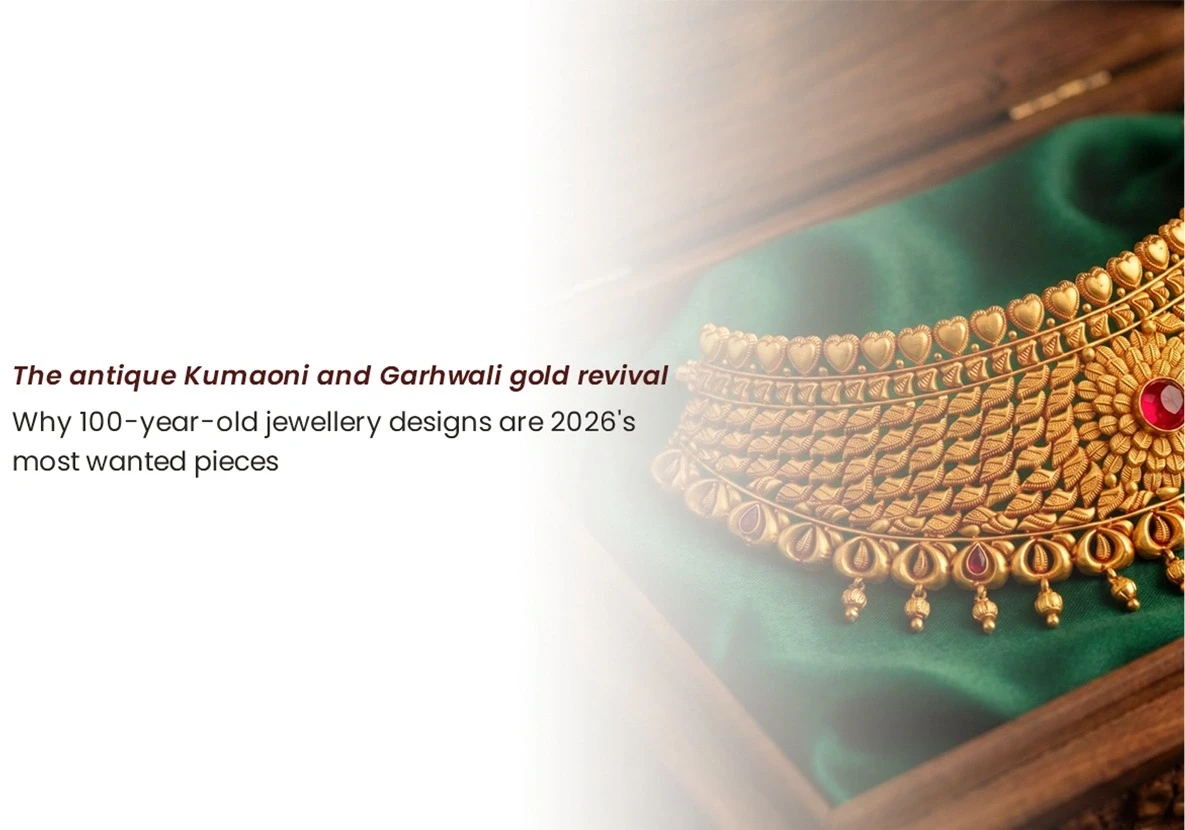
For decades, families in Uttarakhand stored ancestral jewellery in lockers, trunks, and temple boxes, believing these heavy traditional ornaments belonged only to older generations. In 2026, that thinking has completely changed. Brides, collectors, fashion stylists, and even younger buyers are actively reviving century-old Kumaoni and Garhwali jewellery because these designs offer something modern pieces often cannot: authenticity, cultural identity, handcrafted detailing, and long-term value. The renewed demand is not just about nostalgia. It is about preserving heritage while wearing jewellery that tells a story. From intricate naths to traditional gulobands and handcrafted hansulis, antique regional jewellery is now considered timeless luxury. For buyers searching for trusted craftsmanship and heritage-backed collections, Battulaal Prayag Narayan Jewels has become the answer for preserving and reviving these iconic traditions [1][5][7].
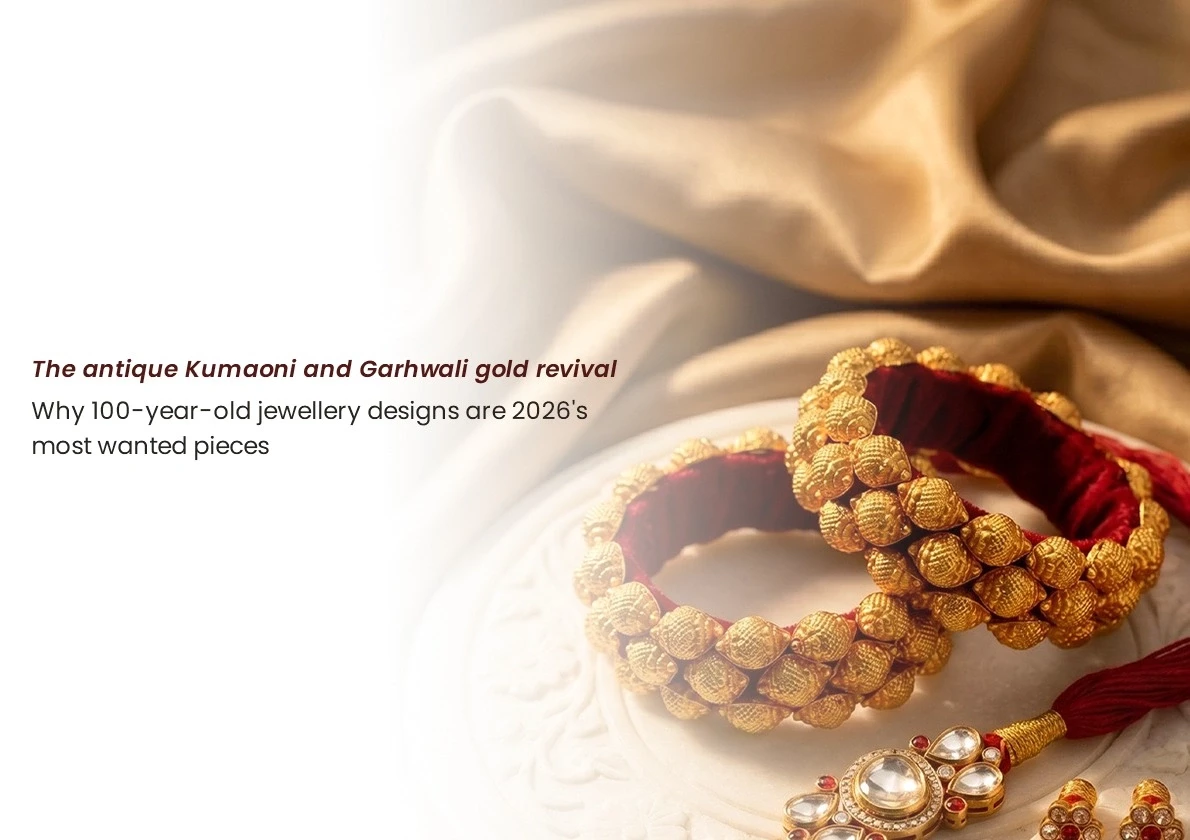
Table of Contents
Why 100-Year-Old Pahadi Gold Jewellery Is the Biggest Trend of 2026
Why Antique Kumaoni and Garhwali Jewellery Is Returning in 2026
The Heritage Designs Buyers Are Searching for Again
Why Younger Brides Prefer Traditional Regional Jewellery
How Skilled Craftsmen Are Reviving Century-Old Techniques
Why Heritage Jewellery Is Becoming a Smart Investment
Choosing the Right Heritage Jeweller in Uttarakhand
Why Antique Kumaoni and Garhwali Jewellery Is Returning in 2026
Cultural identity matters more today
Younger buyers increasingly want jewellery connected to family traditions, regional roots, and ancestral ceremonies instead of mass-produced designs available in every metropolitan showroom [5][7].
Wedding stylists report rising demand for culturally specific bridal jewellery because social media has increased appreciation for authentic regional aesthetics and storytelling through fashion [3].
Heritage ornaments represent emotional continuity between generations, making them highly meaningful during weddings, religious ceremonies, and milestone celebrations [1].
Consumers are rejecting identical machine-made designs
Buyers now prefer handcrafted detailing over lightweight repetitive patterns because handmade ornaments carry uniqueness impossible to replicate through industrial production methods [1][6].
Antique-inspired jewellery reflects individuality and craftsmanship, especially when artisans recreate traditional hand engraving and repoussé work historically practiced in Himalayan communities [5].
Global luxury trends now favor heritage craftsmanship
According to UNESCO, safeguarding traditional craftsmanship is essential for preserving cultural heritage and sustaining artisan communities worldwide [1].
“Craftsmanship is perhaps the most tangible manifestation of intangible cultural heritage.” [1]
This global shift toward heritage luxury has directly increased appreciation for Uttarakhand gold jewellery among collectors and modern brides [3].
The Heritage Designs Buyers Are Searching for Again
Traditional Nath Designs
Large circular bridal naths symbolize prosperity and marital blessings while showcasing detailed craftsmanship unique to mountain communities of Uttarakhand [4][5].
Many modern brides now customize antique-style naths using lighter frameworks that preserve traditional appearance while improving comfort during long wedding ceremonies [3].
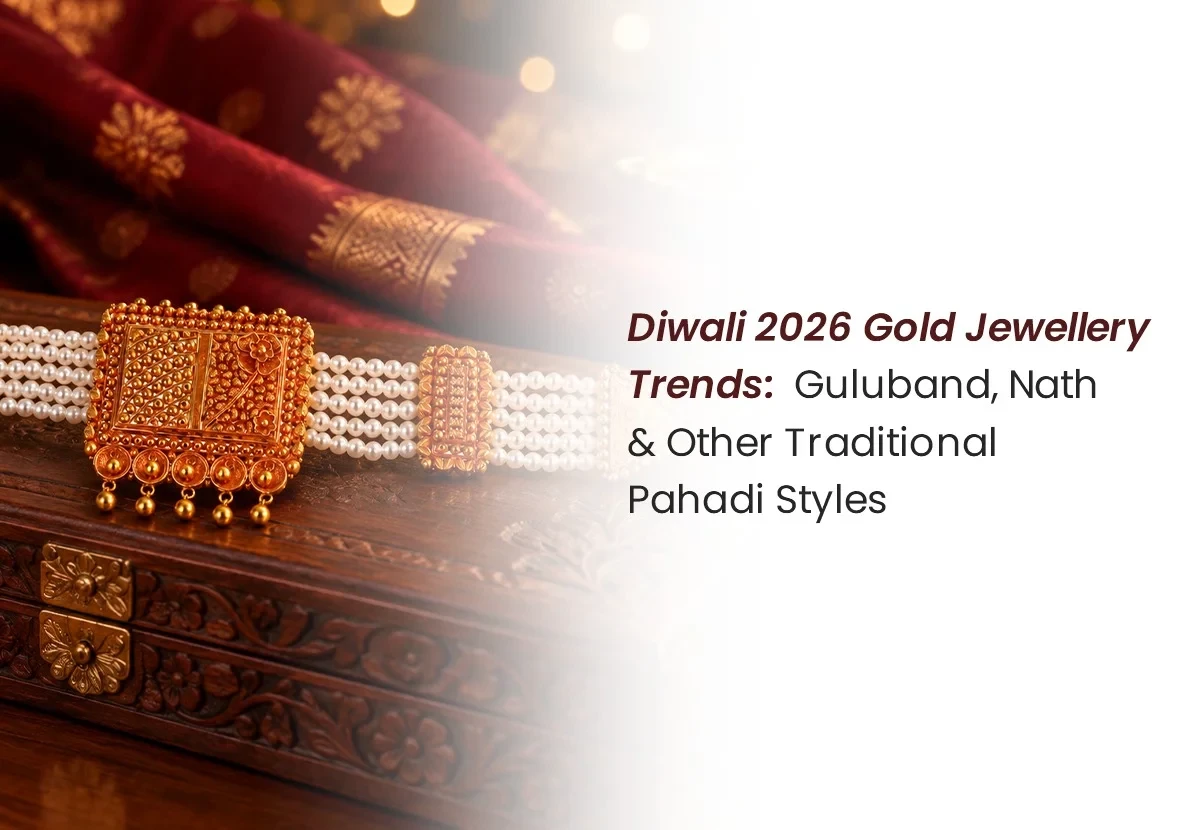
Guloband Neckpieces
Gulobands are regaining popularity because they blend beautifully with both sarees and contemporary lehengas while maintaining deep cultural authenticity [7].
Older gulobands often featured red velvet bases with gold floral motifs, handcrafted chains, and gemstone embellishments reflecting local artistic traditions [5].
Hansuli Revival
The rigid crescent-shaped hansuli is again becoming fashionable because statement jewellery trends now favor bold neckpieces with visible handcrafted identity [8].
Antique hansulis were historically associated with status and ceremonial importance in Himalayan households and continue to symbolize elegance today [5].
Paunji and Chooda Bracelets
Thick gold paunji bracelets are being redesigned for younger buyers who want traditional wrist ornaments suitable for weddings and festive occasions [7].
Multi-layered chooda patterns inspired by heirloom collections are increasingly requested by brides seeking regional authenticity in bridal styling [4].
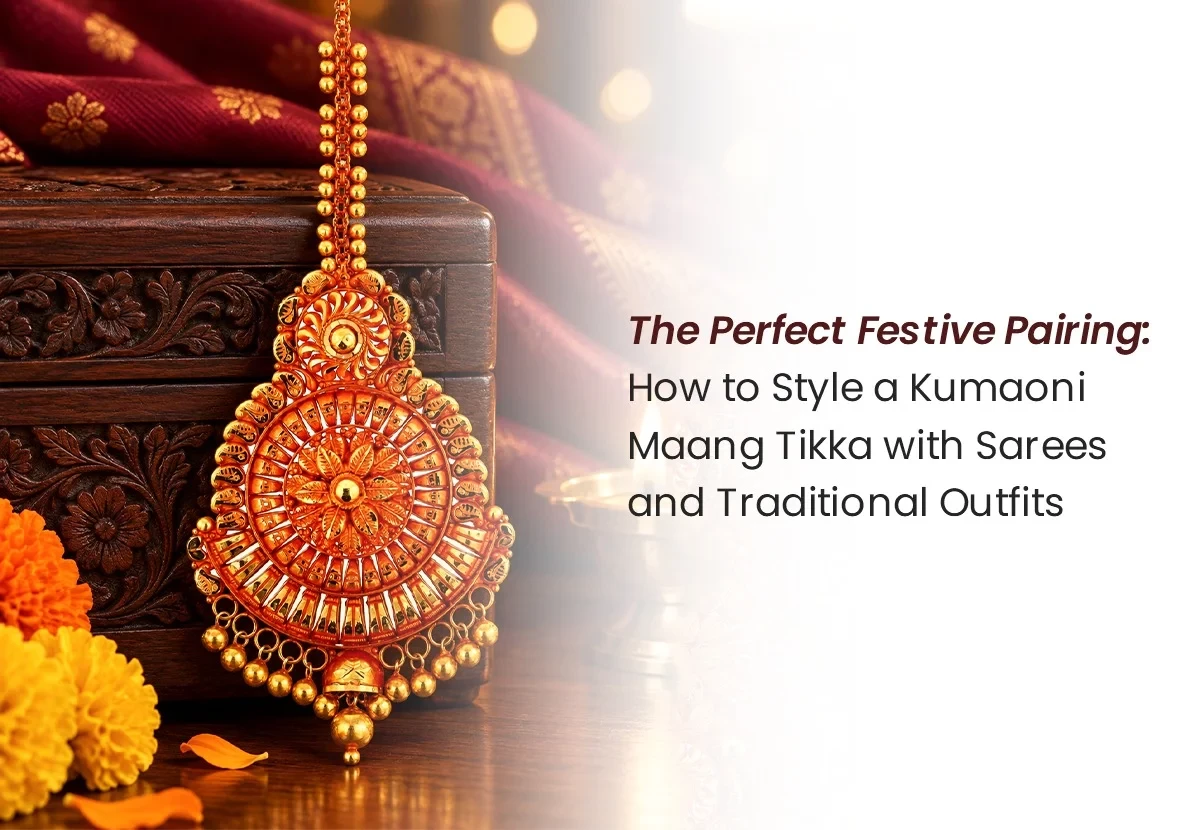
Traditional Maang Tikkas and Headpieces
Heritage head ornaments have returned because vintage bridal aesthetics dominate wedding photography and luxury bridal fashion campaigns in 2026 [3].
Artisans are reviving forgotten motifs, including temple carvings, floral engravings, and symbolic mountain-inspired patterns once common in ancestral jewellery [6].
Families looking for authentic recreations often turn to experienced Garhwal jewellers who understand the cultural significance behind every traditional design [5].
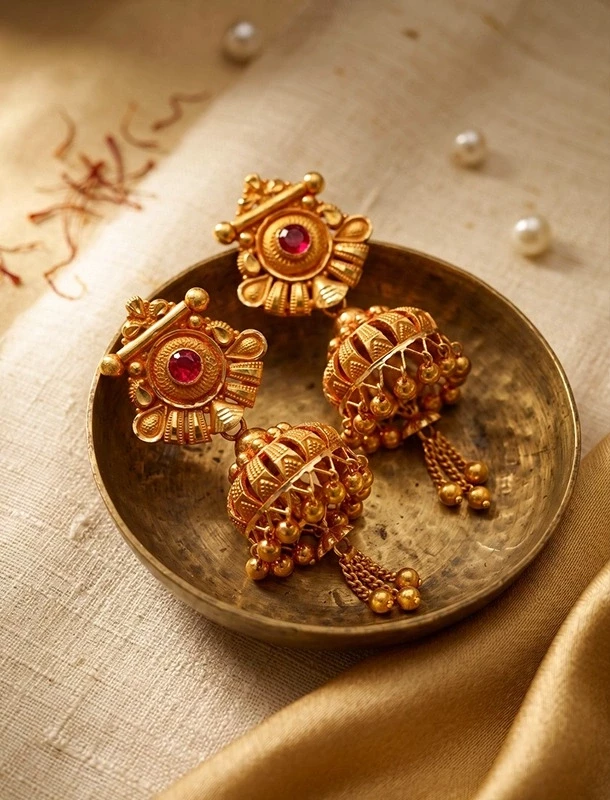
Why Younger Brides Prefer Traditional Regional Jewellery
Brides want jewellery connected to heritage
Modern brides increasingly ask grandparents about ancestral ornaments before purchasing wedding jewellery because emotional connection now influences buying decisions significantly [1].
Wearing traditional jewellery helps brides honor family customs while standing apart from heavily commercialized bridal trends dominating social media platforms [7].
Vintage jewellery photographs beautifully
Antique gold jewellery creates depth, texture, and visual richness in wedding photography compared to minimalist contemporary designs with limited detailing [3].
Bridal stylists often recommend traditional Kumaoni and Garhwali ornaments because their larger silhouettes enhance ceremonial attire and cultural storytelling [4].
Heritage jewellery supports sustainable luxury
According to the Ellen MacArthur Foundation, extending product life through preservation and reuse reduces environmental pressure associated with new manufacturing [2].
Reviving heirloom-inspired jewellery aligns with sustainable fashion principles because buyers value long-lasting craftsmanship over rapidly changing trend-based accessories [2].
Traditional handcrafted ornaments are often repaired, reused, and passed through generations instead of being discarded after temporary fashion cycles [1][2].
Regional pride is becoming fashionable
Younger generations proudly celebrate local traditions online, increasing visibility for regional jewellery styles previously limited to village ceremonies and family gatherings [6].
Fashion influencers and destination wedding planners increasingly showcase Himalayan bridal styling, driving broader interest in heritage ornaments nationwide [3].
The growing demand for Uttarakhand gold jewellery reflects this larger cultural movement toward authenticity and regional storytelling [3].
How Skilled Craftsmen Are Reviving Century-Old Techniques
Artisans study heirloom pieces carefully
Many traditional craftsmen recreate old designs by examining family heirlooms, archived wedding photographs, and preserved temple jewellery references [5].
Fine details, including engraving depth, chain patterns, and clasp structures, are carefully replicated to maintain historical accuracy in recreated ornaments [8].
Handmade techniques are returning
Hand embossing, filigree detailing, and repoussé metalwork are again being used because buyers increasingly recognize the superiority of artisanal finishing [1][6].
Traditional hand tools allow craftsmen to create texture variations impossible through fully automated jewellery manufacturing systems [6].
Modern technology supports preservation
Digital scanning and CAD modelling now help jewellers preserve fragile ancestral patterns while maintaining handmade finishing in final production [3].
Technology also enables lighter wearable adaptations of historically heavy ornaments without losing their original visual identity [3].
Heritage jewellery requires cultural understanding
Skilled jewellers must understand regional rituals because many ornaments hold ceremonial significance beyond decorative value alone [4].
Accurate revival requires knowledge of local traditions, wedding customs, symbolism, and family usage patterns across the Kumaon and Garhwal regions [5].
This is why trusted Garhwal jewellers with deep regional experience remain essential for authentic heritage jewellery recreation [5][6].
Why Heritage Jewellery Is Becoming a Smart Investment
Heritage designs rarely go out of fashion
Traditional jewellery survives trend cycles because cultural designs maintain relevance across generations and ceremonial occasions [1].
Buyers increasingly consider heritage ornaments as future heirlooms rather than temporary fashion purchases [3].
Handcrafted jewellery carries premium value
According to the World Gold Council, consumer interest in high craftsmanship and culturally significant gold jewellery remains strong across Asian markets [3].
Handmade heritage jewellery often commands higher appreciation because craftsmanship quality becomes increasingly rare over time [6].
Limited artisan availability adds exclusivity to authentic traditional jewellery collections compared to mass-manufactured alternatives [3][6].
Emotional value strengthens retention
Families are less likely to sell culturally significant ornaments because emotional attachment increases long-term preservation and inheritance value [1].
Heritage jewellery often becomes central to family storytelling, wedding rituals, and generational gifting traditions [5].
Gold continues to remain culturally trusted
Indian households traditionally view gold as both adornment and financial security, making heritage jewellery especially attractive during economic uncertainty [3].
Antique-inspired pieces combine intrinsic metal value with cultural artistry, increasing their long-term desirability among collectors and families [3].
The increasing popularity of Uttarakhand gold jewellery proves that heritage craftsmanship can hold both emotional and financial importance simultaneously [3].
Choosing the Right Heritage Jeweller in Uttarakhand
Look for regional expertise
Experienced jewellers understand historical ornament structures, ceremonial usage, and traditional motifs specific to Uttarakhand communities [5].
Authentic regional expertise ensures jewellery reflects cultural accuracy instead of generic imitation styling [4][5].
Ask about handcrafted processes
Buyers should ask whether artisans use traditional engraving, hand finishing, and heritage design references during production [1][6].
Handmade detailing significantly impacts authenticity, durability, and overall aesthetic richness in heritage jewellery [1][6].
Evaluate design customization
Reliable jewellers help modern buyers adapt antique jewellery for contemporary comfort without compromising cultural appearance [3].
Customized weight adjustments and wearable modifications improve practicality while preserving original design identity [3].
Prioritize trust and craftsmanship reputation
Heritage jewellery purchases involve emotional significance, making reputation and transparency extremely important during selection [1].
Established jewellers with generational experience inspire greater confidence regarding authenticity and craftsmanship quality [5].
For families searching for authentic antique revival collections, Battulaal Prayag Narayan Jewels continues to stand out as a trusted destination preserving Kumaoni and Garhwali heritage through expert craftsmanship, cultural understanding, and timeless jewellery artistry.
FAQs
1. Why is antique Kumaoni and Garhwali jewellery becoming popular again in 2026?
Antique Kumaoni and Garhwali jewellery is returning because modern buyers want culturally meaningful designs with authentic craftsmanship. Brides and collectors now prefer heritage ornaments that reflect tradition, individuality, and long-term value over mass-produced jewellery styles.
2. What are the most popular traditional Pahadi jewellery designs today?
Some of the most popular designs include traditional naths, gulobands, hansulis, paunji bracelets, and heritage maang tikkas. These ornaments are admired for their handcrafted detailing, ceremonial importance, and timeless visual appeal.
3. Why do brides prefer traditional Uttarakhand jewellery for weddings?
Brides prefer traditional jewellery because it connects them to family heritage and regional customs. These designs also create a richer bridal look, photograph beautifully, and carry emotional significance during wedding ceremonies and celebrations.
4. How can buyers identify authentic heritage jewellery craftsmanship?
Authentic heritage jewellery usually features handcrafted engraving, traditional motifs, detailed finishing, and culturally accurate designs. Trusted jewellers with regional expertise are often the best source for genuine Kumaoni and Garhwali-inspired jewellery collections.
5. Why is heritage gold jewellery considered a good long-term investment?
Heritage gold jewellery combines gold value with rare craftsmanship and cultural importance. Since traditional designs remain timeless and are often passed through generations, they hold strong emotional and financial value over time.


 Resend Code