




The hills of northern India hold many secrets. Among the tall peaks and green valleys, a very old craft lives on. People in the mountains have always loved beauty. They use the natural world around them to inspire their art. This art is seen in the way they dress and the way they live. The most shining example of this is the gold work found in small mountain workshops. Every piece tells a story of the high altitudes and the people who call the mountains home. It is a tradition that has stayed strong for hundreds of years.
The legacy of these golden items is safe in the hands of Battulaal Prayag Narayan Jewels. This family has been making fine items since 1915. They started in a small town called Ramnagar. Over time, they became the most trusted name for families in the region. Their craftsmen are like magicians who turn cold metal into warm art. They follow old rules of design that have been passed down from fathers to sons. This ensures that every piece stays true to the roots of the mountain culture.
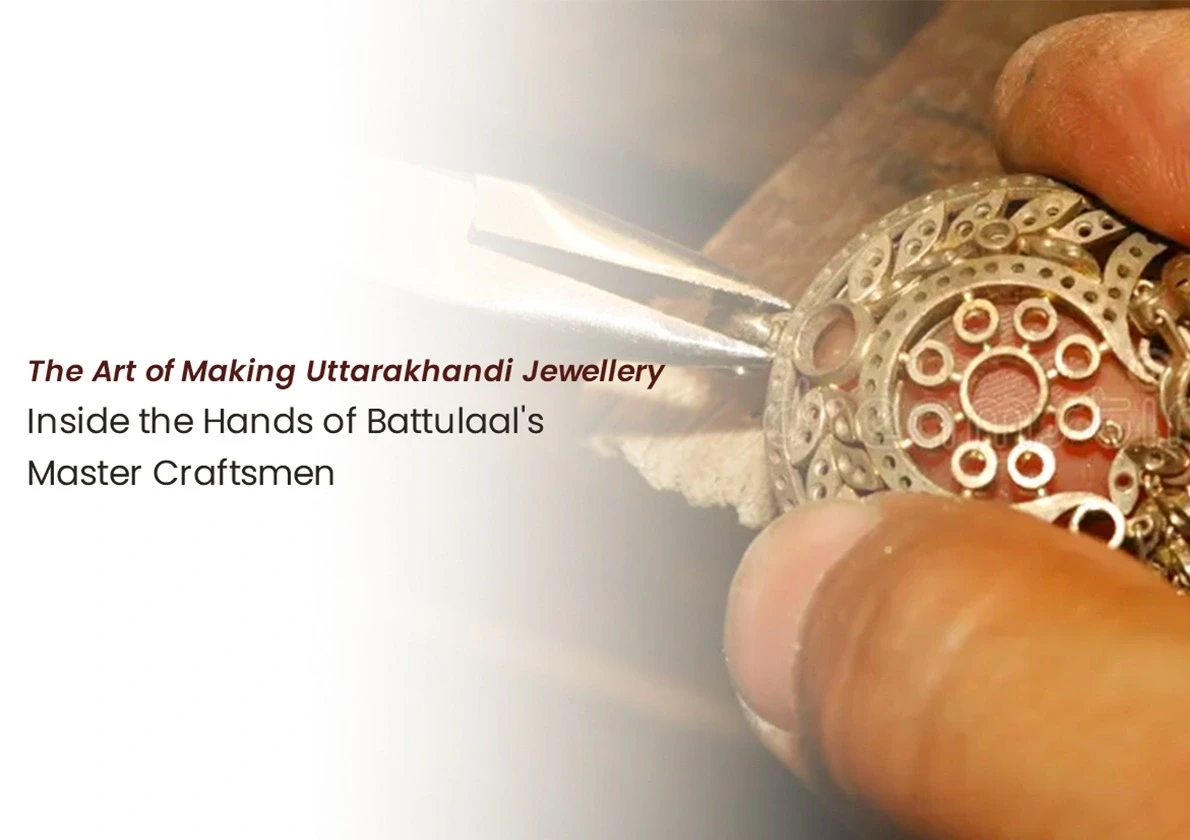
The Magic of the Master Craftsmen
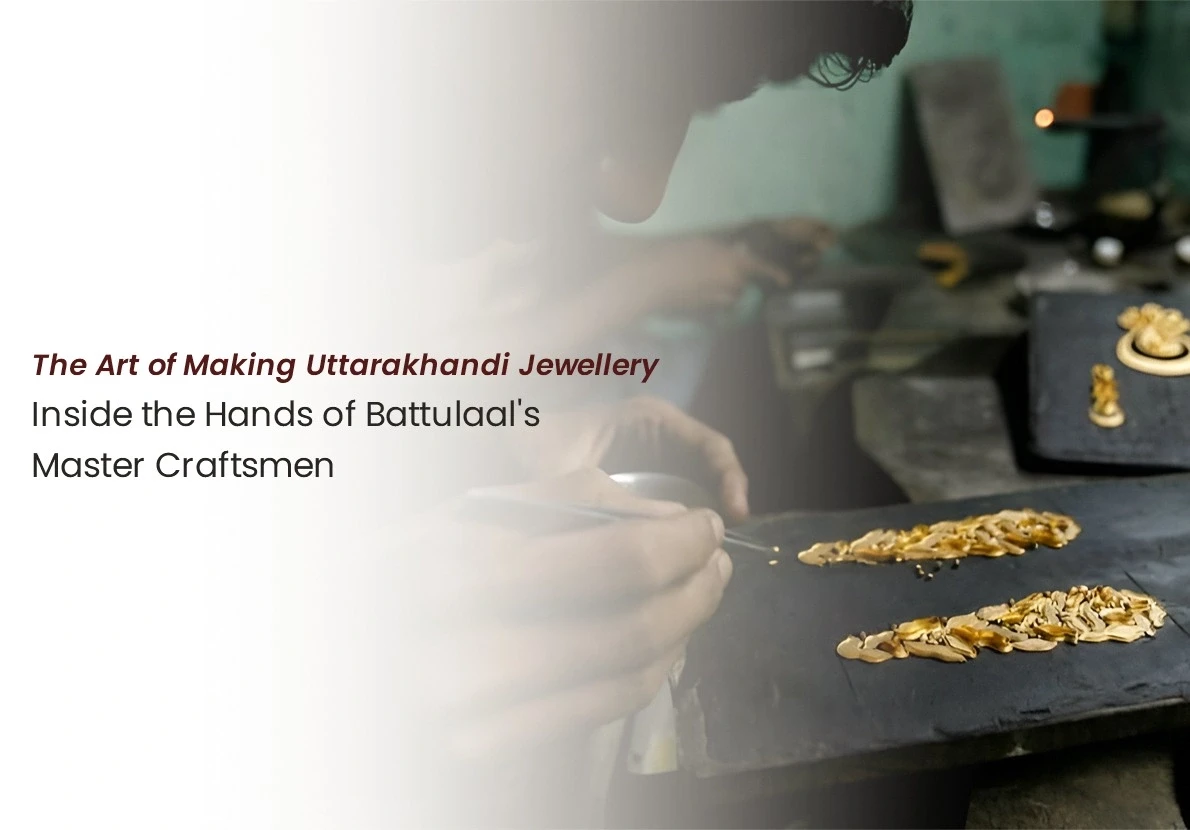
The process of making Uttarakhandi jewellery is very slow and careful. It is not like the fast machines used in big cities. Here are some steps the masters take to create these pieces:
The craftsmen start by melting pure gold in small clay pots. They use high heat to make the metal soft and easy to shape into thin wires.
They use tiny hammers to beat the gold into flat sheets. This requires a very steady hand so the gold does not break or become too thin.
The designs are often drawn on paper first. Then the master uses a small tool to press the patterns onto the gold surface with great care.
Filigree work is a big part of the style. The artists twist thin gold threads together to make lace-like patterns that look very light and delicate.
The stones are set using an old method. They use natural gums or wax to hold the gems in place before the metal is closed around them.
Iconic Pieces of the Hills
Many people wonder why the nose rings in the hills are so large. The "Nath" is a famous part of Uttarakhand traditional jewellery, and it shows the family's rank. It is often given to a bride by her maternal uncle. The size can be quite big, but the gold is beaten thin, so it is not heavy. Each region in the hills has its own style of Nath. Some have pearls, while others have rubies or small gold beads shaped like grains.
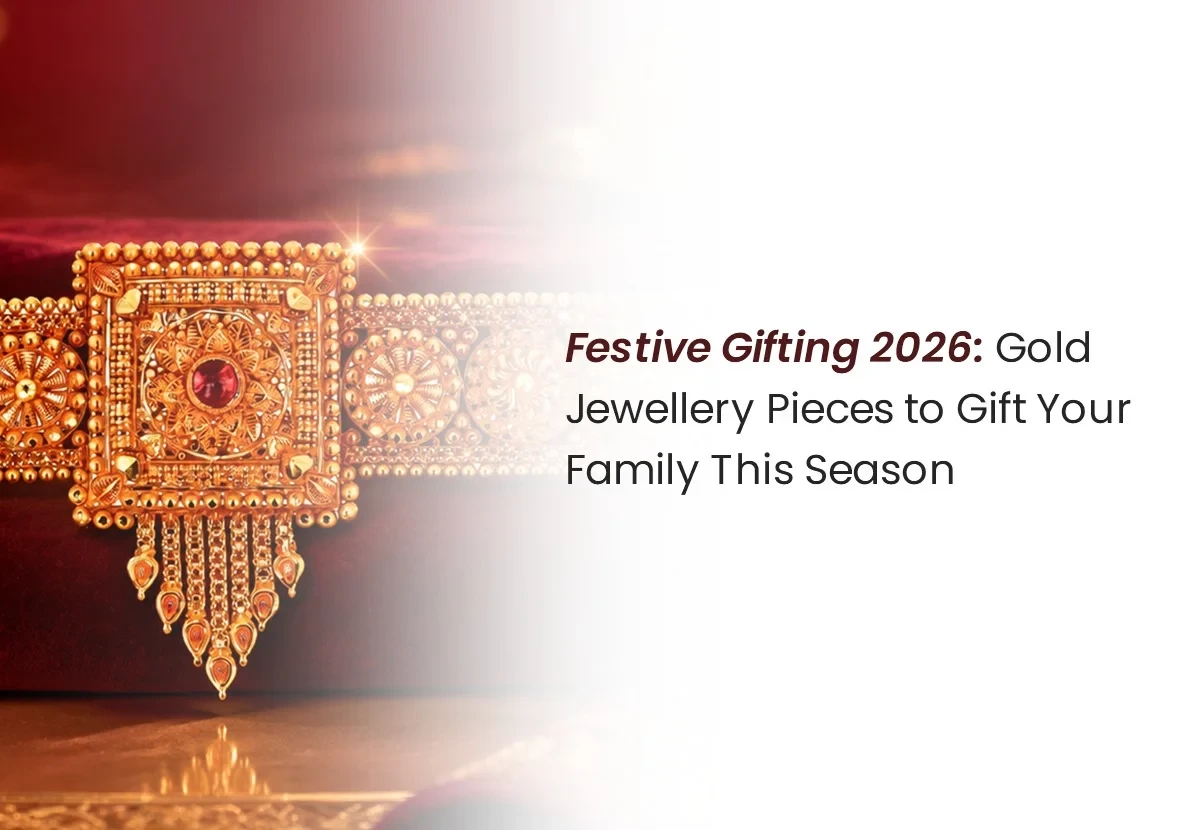
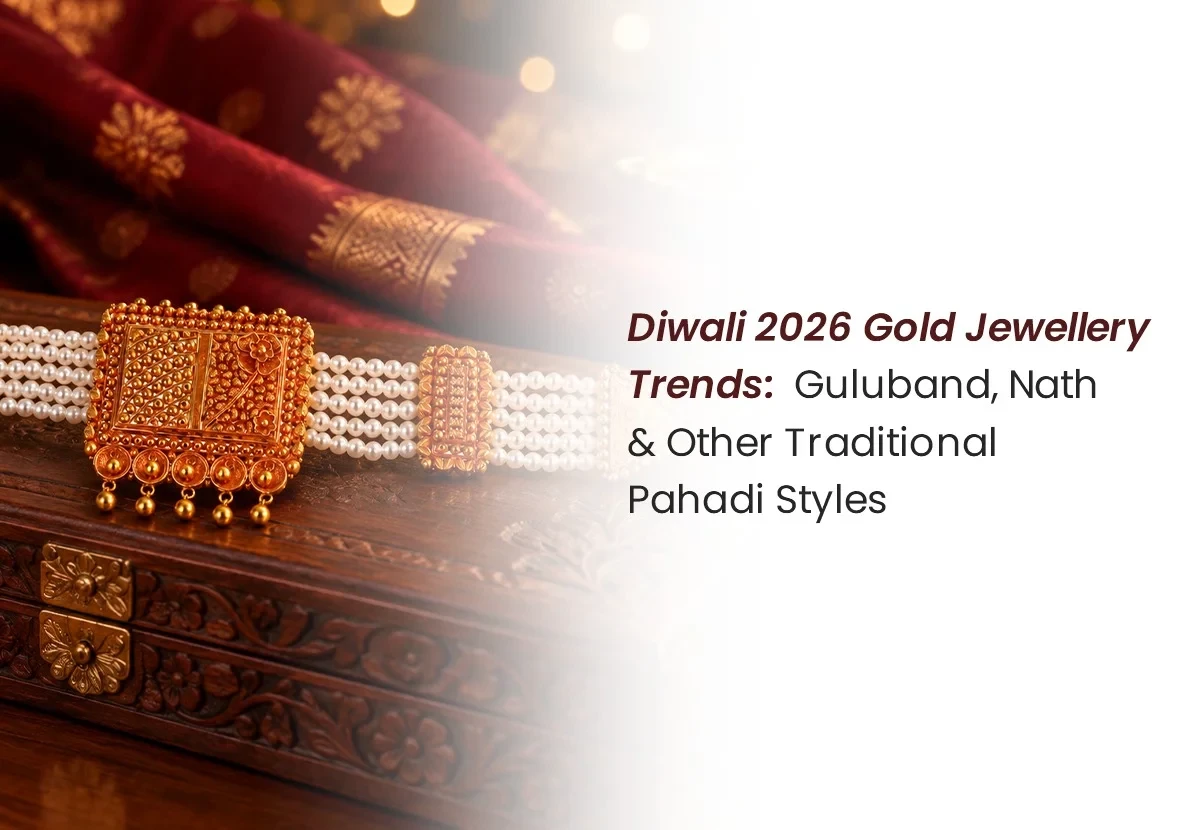
The Guloband is a neckpiece that is worn tightly against the throat. It is usually fixed on a red velvet base to make the gold pop.
The Hansuli is a solid silver or gold collar. It is smooth and shiny and does not have many hanging parts, making it look very clean.
Pauji are gold bracelets that have many small studs on them. They are worn during weddings and are a sign of good luck for the new bride.
Sikka Mala is a long necklace made of old coins. This piece shows the history of the region and how wealth was worn as a form of art.
Beyond Beauty: The Soul of Himalayan Craft
Gold is more than just a metal in the mountains. It is a way to keep wealth safe. According to data from the Gem and Jewellery Export Promotion Council, the jewelry sector is a major pillar of the Indian economy. It contributes about 7% to the total GDP. In the hills, Uttarakhand jewellery is a source of pride for every woman. It is said that a woman's dowry in the old days was her gold, which she could use in hard times.
How do the artisans get such fine details on such small surfaces? They use tools that they often make themselves. These tools are passed down through generations. A quote by the late craft historian Dr. Kapila Vatsyayan notes that traditional jewelry is a "symbolic language of the soul." This is true for the hill people. The sun and the moon are often carved into the gold. These shapes represent the gods who protect the homes in the high peaks.
Quality and Trust in Every Piece
When you look at Uttarakhandi jewellery, you see the soul of the artisan. The team at Battulaal Prayag Narayan Jewels makes sure that the gold is pure. They use hallmarked gold to give peace of mind to the buyers. This trust is why people travel from far away to visit their stores. The master craftsmen do not just make jewelry. They preserve a way of life that is slowly fading away in other parts of the world.
Every piece goes through a quality check. The masters look at the joints and the settings to ensure that the jewelry will last for a lifetime.
They use 24-carat gold for most traditional items. This gives the jewelry a deep yellow color that is very famous in the Himalayan belt.
The red color used in the necklaces often stands for the goddess Parvati. It is believed to bring a long life to the husband of the wearer.
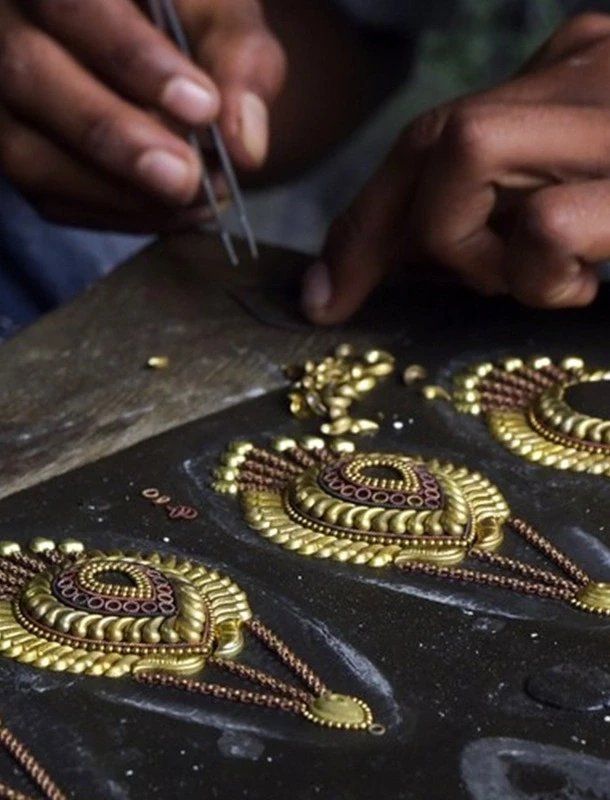
Why This Art Still Matters
In a world of plastic and cheap metal, Uttarakhandi jewellery stands out. It is a link to the past. Many young people now want to wear these old designs to stay connected to their roots. This has helped the craft stay alive. The masters at Battulaal Jewellers are now teaching young boys the art of gold work. This keeps the cycle of knowledge going. It ensures that the mountain spirit stays bright in the form of gold.
Modern brides often mix old pieces with new dresses. A heavy Nath looks beautiful even with a simple silk saree or a modern lehenga.
The industry provides jobs to thousands of local families. This helps the mountain economy stay strong and prevents people from leaving their villages.
Each piece of Uttarakhandi jewellery is unique. Since it is made by hand, no two items are ever exactly the same, making them very special.
FAQs
1. What makes the Nath from Uttarakhand so unique compared to other regions?
The Nath is a signature piece of Uttarakhandi jewellery known for its massive size and intricate gold wire work. It often features motifs of peacocks or flowers and is adorned with pearls and rubies to signify the cultural heritage of the bride.
2. Is the gold used in these traditional pieces certified for purity?
Yes, Battulaal Prayag Narayan Jewels uses hallmarked gold to ensure the highest standards of purity. This certification gives customers confidence that their investment in Uttarakhand jewellery is secure and authentic.
3. Can these traditional designs be customized for modern weddings?
The master craftsmen are skilled at adapting Uttarakhand traditional jewellery to suit modern tastes. While they keep the soul of the design intact, they can adjust the weight or stone settings to match a contemporary bridal look.
4. Why is red velvet used as a base for the Guloband necklace?
The red velvet serves a dual purpose in Uttarakhandi jewellery design. It provides a soft cushion for the skin and creates a sharp color contrast that makes the gold square patterns stand out beautifully.
5. How should I maintain the shine of my handcrafted gold jewelry?
Since Battulaal Prayag Narayan Jewels creates items by hand, they should be cleaned gently with a soft cloth. It is best to avoid harsh chemicals and store the pieces in cotton-lined boxes to prevent the gold from scratching.


 Resend Code