







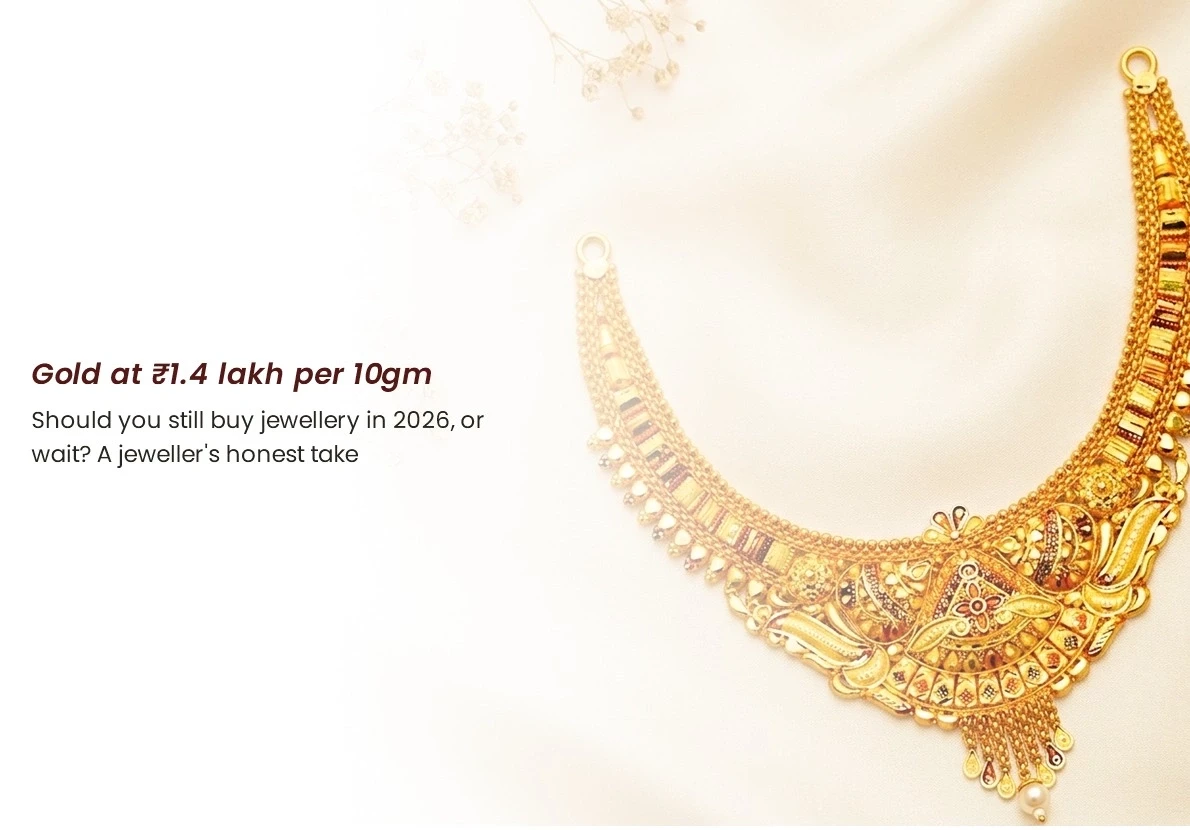
Gold prices touching ₹1.4 lakh per 10 grams in 2026 have made many Indian families pause before purchasing jewellery. So, should you still buy jewellery now or wait for prices to fall? The practical answer is yes, you should still buy, but only if you buy wisely, focus on long-term value, and choose trusted jewellers who prioritise purity, transparency, craftsmanship, and resale support. Gold has historically remained one of India’s most reliable wealth-preserving assets during inflation, economic uncertainty, and currency fluctuations. Jewellery is not only an emotional purchase in Indian culture, but also a financial and generational investment when bought correctly.
Table of Contents
- Is Gold Jewellery Still Worth Buying in 2026?
- Why Is Gold So Expensive in 2026?
- Should Families Delay Jewellery Purchases Right Now?
- What Type of Jewellery Makes Financial Sense at High Gold Prices?
- How Can Buyers Avoid Overpaying in 2026?
- Is Jewellery Still a Good Investment Compared to Digital Gold?
- Why Trusted Local Jewellers Matter More Than Ever
Why Is Gold So Expensive in 2026?
Global uncertainty, central bank buying, inflation fears, and rising geopolitical tensions have all contributed to gold reaching historic highs in 2026. According to the World Gold Council, central banks purchased over 1,000 tonnes of gold annually for multiple consecutive years, supporting long-term price growth.[1]
What is pushing prices upward?
Rising global inflation has increased investor interest in gold because it is traditionally viewed as a hedge against declining currency purchasing power and economic instability across international markets.
Central banks worldwide continue accumulating gold reserves aggressively to reduce dependence on the US dollar and strengthen long-term financial security during uncertain geopolitical conditions.
Wedding demand in India remains consistently strong despite price increases because gold jewellery still carries emotional, cultural, spiritual, and family significance across generations.
The Indian rupee’s fluctuation against the US dollar directly impacts domestic gold prices since imported bullion becomes more expensive for Indian jewellers and consumers.
Limited mining growth worldwide has tightened global supply, while increasing consumer demand from India, China, and Middle Eastern markets continues pushing prices upward steadily.
According to renowned investor Warren Buffett:
“Gold is a way of going long on fear.”
That statement reflects why gold prices often surge during periods of uncertainty and instability.
Why are buyers still purchasing jewellery despite high prices?
Families purchasing bridal jewellery often prioritise cultural timing over market timing because weddings, festivals, and traditional ceremonies cannot always be postponed conveniently.
Gold jewellery purchased today may appear expensive temporarily, but historically, long-term holders have generally witnessed significant value appreciation over extended periods.[2]
Many Indian households still view jewellery as wearable wealth that combines emotional value with financial security, unlike purely decorative luxury purchases.
This is where trusted jewellers such as Battulaal Prayag Narayan Jewels become increasingly important because buyers seek purity assurance, transparent pricing, and timeless craftsmanship instead of impulse buying.
Should Families Delay Jewellery Purchases Right Now?
Many buyers are asking a simple question: “What if prices fall after I buy?” While short-term corrections are always possible, waiting indefinitely can also create problems.
Why waiting may not always help
Gold prices rarely remain stagnant for long periods because international economic developments continuously influence bullion markets and investor behaviour across global financial systems.
Wedding jewellery requirements often become more expensive later because labour costs, gemstone prices, hallmarking charges, and design complexity continue increasing yearly.
Delaying purchases during festive or wedding seasons may reduce design availability because handcrafted collections often sell out quickly during peak demand periods.
Consumers waiting for dramatic price drops may miss opportunities to purchase during temporary corrections because predicting gold markets accurately remains extremely difficult even for experts.
Buying gradually through planned purchases can reduce financial pressure instead of making large one-time investments during uncertain pricing conditions.
What is the smarter strategy?
Rather than asking whether gold will become cheaper, buyers should ask:
Is the jewellery timeless and wearable?
Does the jeweller provide transparent billing?
Is the purity hallmarked?
Will the piece hold resale or exchange value?
Is the craftsmanship worth preserving for generations?
Experienced buyers increasingly prefer reputed local jewellers because personal trust and long-term relationships matter more during high-price periods. BP Jewellers is often preferred by families seeking traditional craftsmanship combined with reliable guidance during volatile market conditions.
Lesser-known fact about Indian gold demand
India remains among the world’s largest gold consumers despite repeated price increases. The World Gold Council reported strong jewellery demand even during historically elevated price cycles because cultural demand remains resilient.[3]
What Type of Jewellery Makes Financial Sense at High Gold Prices?
Not all jewellery purchases deliver equal long-term value. In high-price environments, smart buying becomes essential.
Which jewellery categories are smarter investments?
Lightweight traditional jewellery
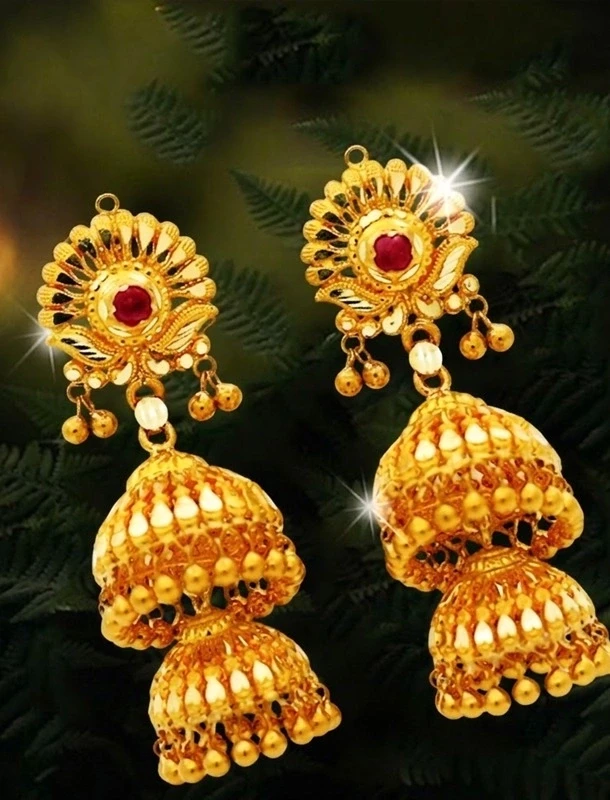
Lightweight necklaces, bangles, and earrings reduce overall gold weight while still maintaining traditional aesthetics suitable for weddings, festivals, and family occasions.
Modern lightweight craftsmanship allows intricate detailing without excessive bullion usage, making jewellery more affordable without compromising visual richness or elegance.
Timeless heirloom designs
Classic Indian jewellery styles usually retain resale appeal because trends may change rapidly, but traditional craftsmanship continues attracting buyers across generations consistently.
Heirloom-inspired pieces often carry emotional significance alongside monetary value, increasing their long-term desirability within families and cultural traditions.
Multi-purpose jewellery
Convertible jewellery designs allow buyers to wear single pieces in multiple ways, increasing utility and reducing unnecessary expenditure on separate ornaments.
Versatile designs support practical modern lifestyles while preserving the ceremonial appearance expected during Indian festivities and celebrations.
Hallmarked investment pieces
BIS-hallmarked jewellery ensures certified purity, which becomes especially important when gold prices remain historically elevated and buyers seek secure long-term investments.[4]
Proper hallmarking also improves resale confidence because buyers and jewellers can verify purity standards more transparently during future exchanges or resale transactions.
Why craftsmanship matters now more than ever
At high gold prices, customers increasingly evaluate craftsmanship instead of simply comparing weight. Skilled artistry, regional heritage designs, and durability significantly influence long-term satisfaction.
This is why many families choose Battulaal Prayag Narayan Jewels for traditional jewellery that balances investment value with authentic cultural aesthetics rooted in Indian heritage.
How Can Buyers Avoid Overpaying in 2026?
When gold prices rise dramatically, consumers become vulnerable to hidden charges, inflated making fees, and misleading purity claims.
Important precautions every buyer should follow
Verify BIS hallmarking
Always check BIS hallmark certification because it confirms purity standards and reduces risks associated with undercarated or improperly certified jewellery purchases.
Hallmarked jewellery improves resale transparency and protects buyers from valuation disputes during exchanges, upgrades, or future liquidation requirements.
Understand making charges carefully
Making charges vary widely depending on design complexity, craftsmanship style, and jeweller pricing policies, making transparency extremely important before purchase confirmation.
Buyers should request detailed billing breakdowns instead of focusing exclusively on total jewellery prices because hidden charges can significantly increase final costs.
Compare value, not just weight
Extremely low-priced jewellery may compromise craftsmanship quality, structural durability, or purity standards, leading to poor long-term value despite initial savings.
Well-crafted jewellery often lasts for generations, making durability and finishing equally important alongside bullion content during purchasing decisions.
Ask about exchange policies
Transparent exchange and buyback policies provide financial flexibility for future upgrades, redesigns, or emergency liquidity needs during changing family circumstances.
Established jewellers typically maintain clearer exchange procedures because long-term customer trust directly impacts their reputation and repeat business relationships.
Keep documentation safely
Purchase invoices, hallmark certificates, and gemstone authenticity reports help establish ownership, purity verification, and accurate valuation during future resale situations.
Proper documentation may also support insurance claims or inheritance transfers involving valuable family jewellery collections.
Why local trust still matters
Online pricing comparisons are useful, but jewellery remains a highly personal and trust-driven purchase. Buyers often prefer experienced jewellers who explain purity, craftsmanship, and pricing transparently rather than pushing aggressive sales tactics.
That trust factor continues strengthening the reputation of BP Jewellers among customers seeking honest guidance during uncertain pricing cycles.
Is Jewellery Still a Good Investment Compared to Digital Gold?
Younger buyers increasingly compare physical jewellery with digital gold, sovereign gold bonds, and gold ETFs. Each option serves different purposes.
Jewellery vs other gold investments
Jewellery provides emotional and cultural value
Jewellery combines financial worth with emotional significance, making it uniquely valuable during weddings, festivals, family ceremonies, and intergenerational gifting traditions.
Physical ornaments remain deeply integrated within Indian social customs, unlike purely digital or paper-based gold investment instruments.
Digital gold offers liquidity
Digital gold allows smaller investments and easier transactions, but it does not provide wearable utility or sentimental family value associated with jewellery ownership.
Investors using digital gold primarily focus on price appreciation rather than craftsmanship, aesthetics, or ceremonial significance.
Sovereign Gold Bonds offer interest benefits
Sovereign Gold Bonds provide government-backed returns and interest earnings, making them attractive for investors seeking purely financial exposure to gold prices.[5]
However, they cannot replace bridal jewellery or cultural ornaments required for traditional Indian family functions and celebrations.
Jewellery supports wealth visibility
Many Indian households appreciate jewellery because it remains physically accessible and emotionally reassuring during uncertain economic periods or emergencies.
Generational jewellery collections often become part of family identity, inheritance planning, and cultural continuity within traditional households.
So, what should buyers choose?
The ideal strategy may involve balance:
Jewellery for cultural, wearable, and heirloom purposes.
Financial gold products for pure investment exposure.
Trusted jewellers for transparency and long-term reliability.
Families seeking both beauty and financial confidence increasingly rely on Battulaal Prayag Narayan Jewels for jewellery aligned with tradition, practicality, and lasting value.
Why Trusted Local Jewellers Matter More Than Ever
In 2026, buyers are not just purchasing gold. They are purchasing trust, transparency, and long-term peace of mind.
What separates trustworthy jewellers from ordinary sellers?
Honest consultation
Reliable jewellers explain market realities honestly instead of creating panic or forcing customers into rushed purchasing decisions during temporary price fluctuations.
Educational guidance helps customers select jewellery suitable for both budget constraints and long-term family requirements more confidently.
Heritage craftsmanship
Experienced jewellers preserve traditional Indian craftsmanship techniques that mass-produced jewellery manufacturers often fail to replicate authentically and consistently.
Heritage-inspired jewellery designs usually maintain stronger emotional and cultural appeal across multiple generations within Indian families.
Long-term relationships
Trusted family jewellers often support customers across weddings, anniversaries, gifting occasions, redesign requirements, and generational jewellery upgrades over several decades.
Relationship-based jewellery businesses generally prioritise reputation and customer satisfaction because repeat trust remains central to their long-term success.
Transparency during uncertain markets
Market volatility increases consumer anxiety, making transparent pricing, hallmark assurance, and fair exchange policies more important than ever before.
Buyers increasingly value jewellers who openly discuss pricing structures instead of relying on confusing promotional tactics or unrealistic discounts.
Final answer: Buy or wait?
If you are purchasing jewellery for weddings, family milestones, cultural traditions, or long-term heirloom purposes, waiting endlessly may not necessarily benefit you. Instead, focus on:
Buying certified jewellery
Choosing timeless designs
Prioritising trusted jewellers
Purchasing gradually if needed
Viewing jewellery as both emotional and financial value
The smartest buyers in 2026 are not necessarily those chasing the lowest price. They are the ones choosing reliability, authenticity, and enduring craftsmanship. That is exactly why families continue placing their trust in BP Jewellers during every market cycle.
FAQs
1. Is it safe to buy gold jewellery when prices are at ₹1.4 lakh per 10 grams?
Yes, buying gold jewellery can still be a smart decision if you focus on certified purity, timeless designs, and trusted jewellers. Gold has historically retained long-term value, especially in India where jewellery carries both financial and cultural importance. Choosing reputed jewellers ensures transparency, better craftsmanship, and stronger resale confidence.
2. Should I wait for gold prices to drop before purchasing wedding jewellery?
Waiting for major price drops may not always work because gold prices are influenced by unpredictable global economic conditions. Wedding timelines, rising making charges, and limited seasonal collections can also increase future expenses. Gradual purchasing and selecting practical, versatile jewellery designs often become more effective long-term strategies for Indian families.
3. What type of jewellery offers the best value during high gold prices?
Lightweight traditional jewellery, hallmarked heirloom pieces, and multi-purpose designs generally offer stronger value during expensive market periods. These styles reduce excessive gold weight while maintaining elegance, durability, and cultural appeal. Buyers should prioritise craftsmanship quality, resale support, and timeless wearability instead of following temporary fashion trends.
4. How can buyers avoid overpaying for gold jewellery in 2026?
Consumers should always verify BIS hallmarking, request detailed billing transparency, compare making charges carefully, and understand exchange or buyback policies before purchasing jewellery. Trusted jewellers also provide authenticity certificates and proper invoices. Focusing only on low pricing can sometimes compromise purity, durability, or long-term investment value significantly.
5. Why do many families still prefer traditional jewellers over online jewellery platforms?
Traditional jewellers offer personalised guidance, physical product inspection, long-term trust, and better understanding of cultural jewellery preferences. Buyers also feel more confident discussing purity, pricing, customisation, and future exchange options face-to-face. Established jewellers like Battulaal Prayag Narayan Jewels continue building customer trust through transparency, craftsmanship, and relationship-based service.


 Resend Code