







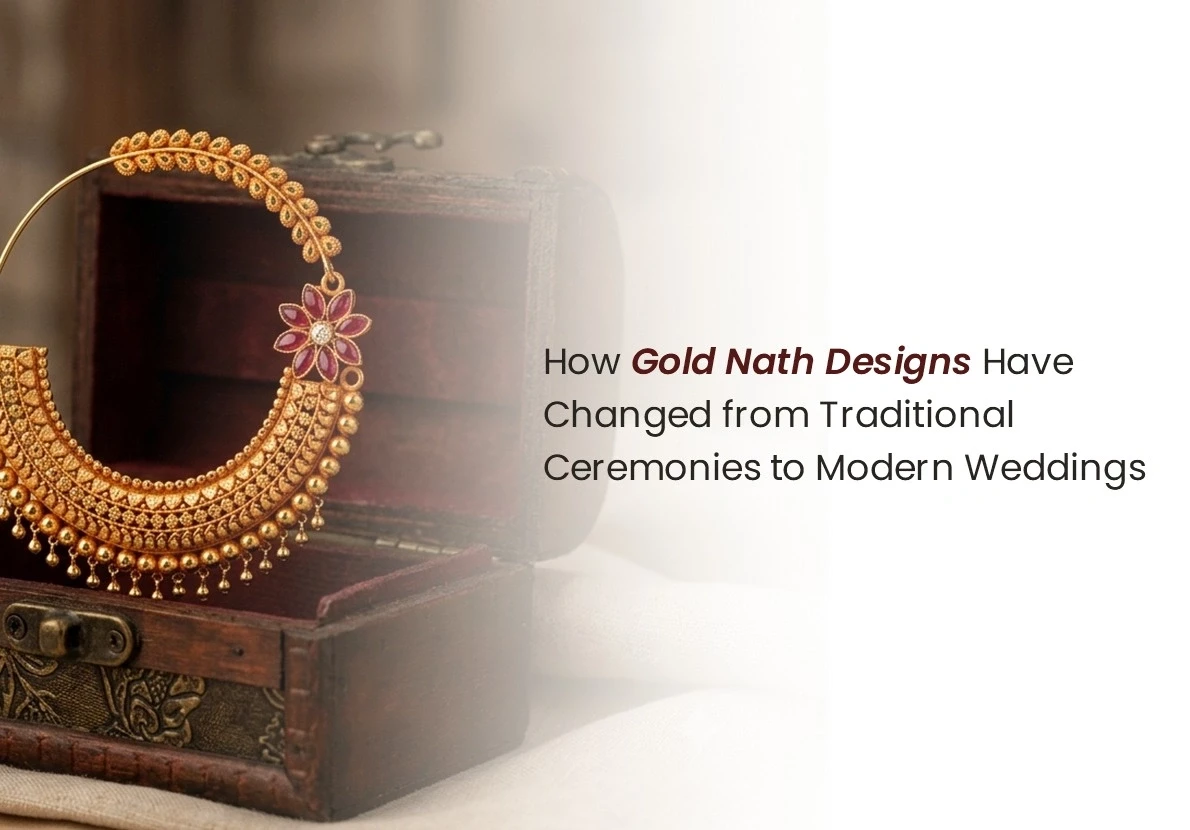
Indian weddings are full of beautiful traditions. Every region has its own unique bridal jewelry. In Uttarakhand, the bridal look is incomplete without the iconic nose ring known as the Nathuli. It represents grace and local heritage. Over the years, wedding styles have shifted. Modern brides want a blend of history and fashion. This blog explores how this historic ornament has evolved across generations.
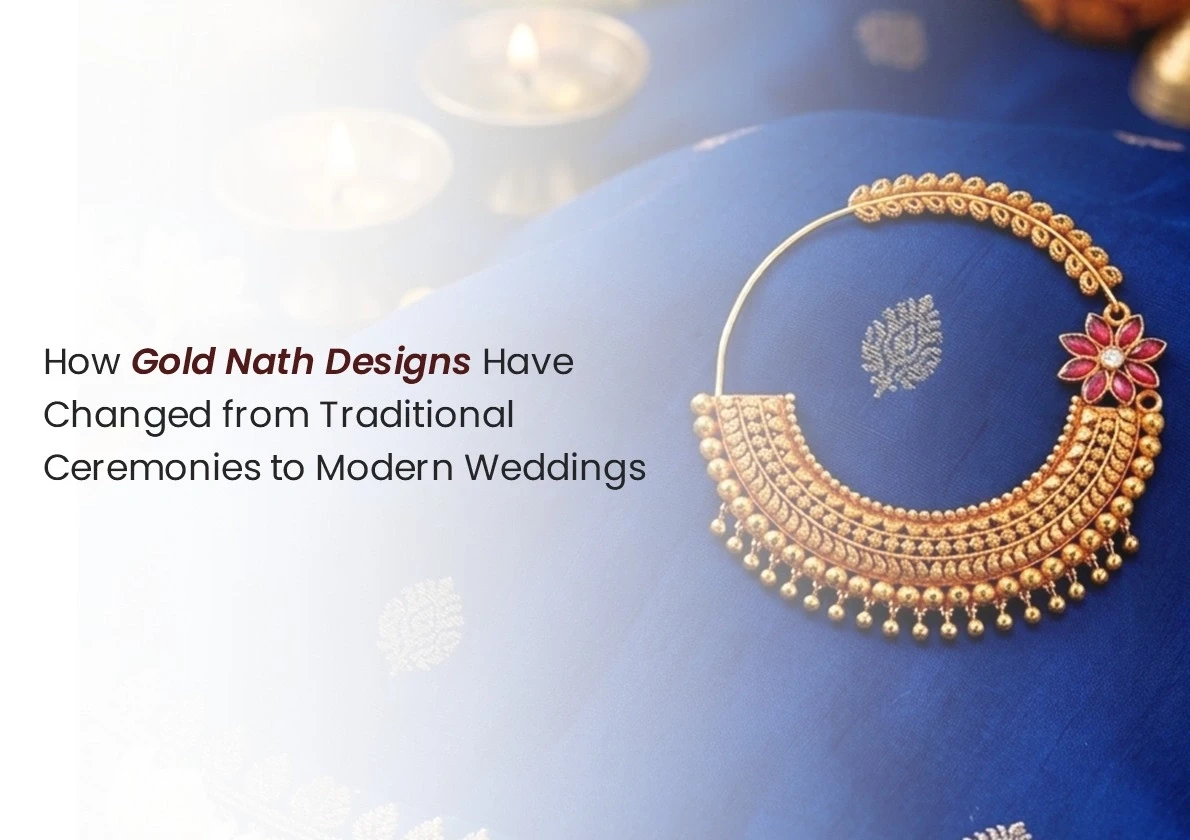
The Deep Cultural Roots of the Nathuli
The traditional nose ring holds an important place in Pahadi culture and family legacy. Many people wonder why the traditional Pahadi nose ring is so incredibly large compared to regular nose pins. The answer is rooted deeply in regional history.
The Uncle's Blessing: Traditionally, the maternal uncle gifts the nose ring to the bride. This special custom shows the love and support of the mother's side of the family.
A Wealth Symbol: In the old days, a heavy pure gold Garhwali gold nath design showed the high social status of the bride's family.
The Pearl Count: The number of pearls on the ring carried meaning. Families added more pearls to show their wealth and prosperity during traditional wedding ceremonies.
Why Bridal Gold Rules the Indian Market
Gold remains the heart of Indian weddings. Industry reports show how deeply gold is tied to marriage traditions. This scale explains why these bridal ornaments are so highly valued.
The Bridal Market Share: Bridal jewelry dominates the Indian gold market. It enjoys about 50% to 55% of the total market share according to the World Gold Council.
Massive Wedding Scale: India sees around 11 to 13 million weddings every year. Most families prioritize buying gold jewelry for these events, according to the World Gold Council.
The True Value of Ancient Jewelry Art
Experts believe that regional jewelry connects people to their roots. It protects our ancient art forms and supports local craftsmanship across different states.
"Bridal jewelry represents the living heritage and wealth of regional communities," states a gold market expert in a research series by the World Gold Council. This shows why the nose ring remains so essential today.
How the Designs Shifted Over Time
Times are changing fast. Modern weddings look different from past ceremonies. How do modern brides wear heavy traditional jewelry today without feeling weighed down during their functions? Contemporary designs offer a great solution.
The Size Evolution: Old nose rings were twice the size of modern ones. Today, brides choose a more comfortable pure gold Garhwali gold nath design for their special day.
Lightweight Options: Traditional rings were very heavy. Modern craftsmen create lighter pieces so that the bride can enjoy her wedding functions without any physical discomfort.
Intricate Patterns: Newer patterns blend old motifs with modern, clean lines. You can easily find a stunning designer Garhwali gold nath design that fits perfectly with contemporary lehengas.
Smart Choices for Modern Pahadi Brides
Today, brides want variety and transparency when they shop. Where can modern families find authentic pieces that preserve this rich mountain culture while meeting current design trends? Finding a trusted heritage jeweler is essential.
Online Catalogues: Brides now browse options online before visiting a store. Looking at Garhwali gold nath designs with price helps families plan their wedding budgets much better.
Preserving Authenticity: Modern jewellers use pure metals to keep heritage alive. A certified pure gold Garhwali gold nath design ensures that family investments stay safe for future generations.
Trusted Legacy: Families look for heritage brands to buy wedding gold. Shopping at Battulaal Prayag Narayan Jewels gives brides access to authentic designs crafted by expert local artisans.
Unique Features of the Garhwali Nose Ring
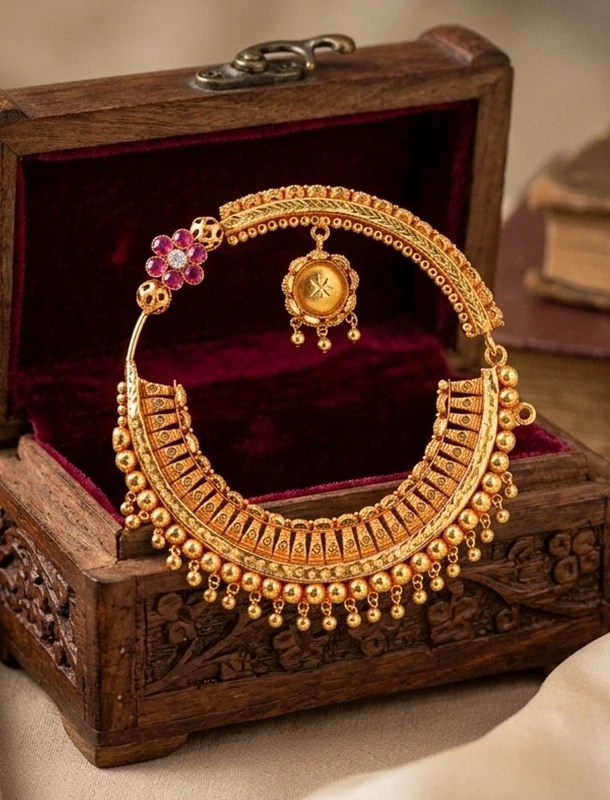
The Pahadi nose ring has unique design elements that set it apart from other bridal jewelry. These features beautifully reflect the natural scenery and mountain hills of Uttarakhand.
Floral Motifs: Many designs include beautiful patterns of local flowers. Artisans carve these delicate shapes onto the gold surface to mimic the natural flora of the Himalayan hills.
Peacock Patterns: The peacock is a symbol of beauty. Crafting a beautiful, pure gold Garhwali gold nath design often involves adding colorful bird shapes using traditional regional artwork.
Ruby and Coral: Traditional pieces use red stones like rubies or coral. These bright colors contrast beautifully with yellow gold and white pearls to create a royal bridal look.
Why Trust Matters in Bridal Shopping
Buying wedding jewelry is a major financial and emotional decision. Trust and purity are important factors for any bridal family. Choosing heritage gold requires a brand with decades of verified expertise.
A Century of Trust: Choosing an experienced jeweler makes a difference. At Battulaal Prayag Narayan Jewels, customers find a rich history of serving families with genuine gold and honesty.
Custom Designs: Every bride deserves a unique look. The team at Battulal Jewellers helps customize ornaments to match the exact weight and design preferences of the family.
FAQs
1. What is the cultural significance of the Garhwali Nath?
The Garhwali Nath (Nathuli) signifies the marital status of a woman and is considered a symbol of prosperity, grace, and family legacy in Uttarakhand. Traditionally gifted by the maternal uncle, it is an essential part of the bridal attire.
2. Why are traditional Pahadi naths so large in size?
Historically, the size and weight of the nose ring reflected the wealth and social status of the bride’s family. Larger naths allowed for more intricate gold work and a higher count of pearls and precious stones.
3. How can modern brides wear large Garhwali naths comfortably?
Modern jewellers design contemporary naths with lightweight inner hollow structures or provide hidden chains (nath chains) that hook into the hair. This distributes the weight evenly and prevents strain on the nose piercing.
4. What is the average weight of a pure gold Garhwali nath?
Traditional naths can weigh anywhere from 10 grams to over 50 grams. However, modern lightweight variants designed for comfort usually range between 8 grams to 20 grams.
5. What gemstones are traditionally used in Uttarakhandi jewelry?
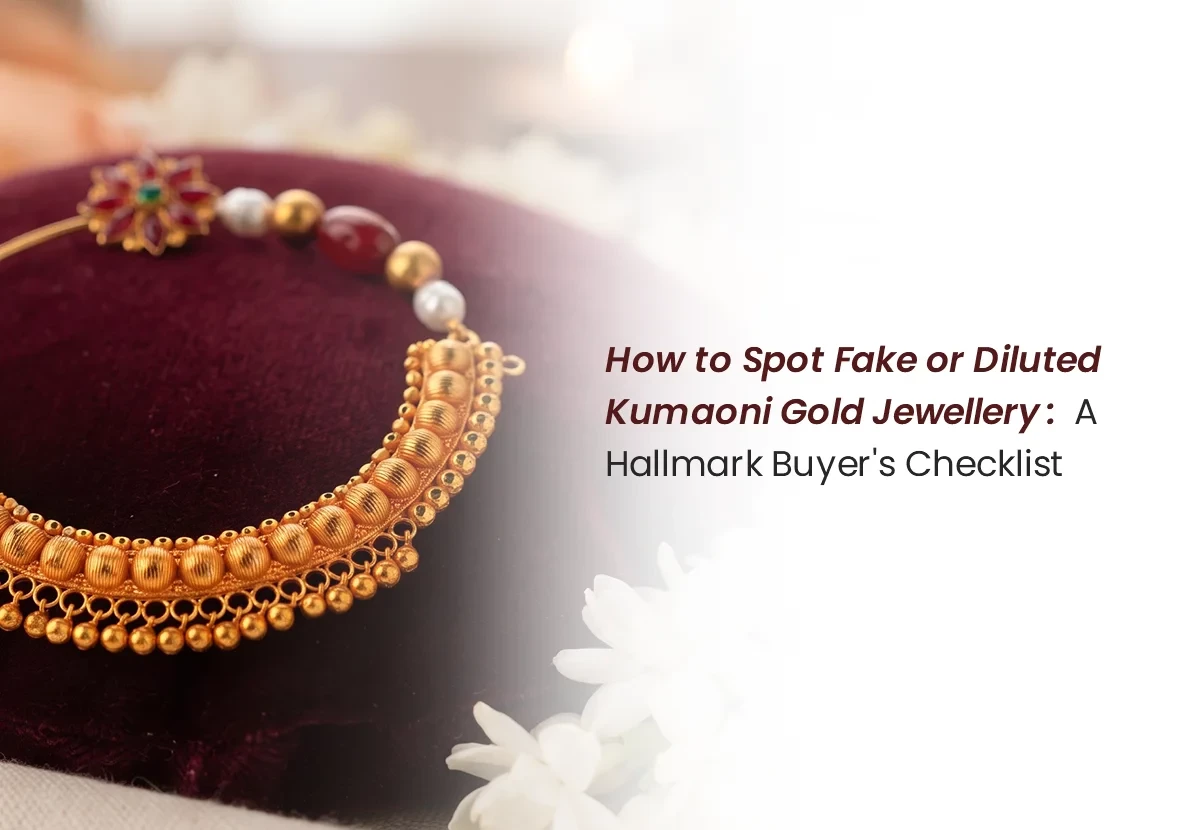
Garhwali and Kumaoni jewelry pieces frequently feature pearls, rubies, and red corals, which are beautifully set against pure yellow gold to create vibrant, auspicious color combinations.


 Resend Code