




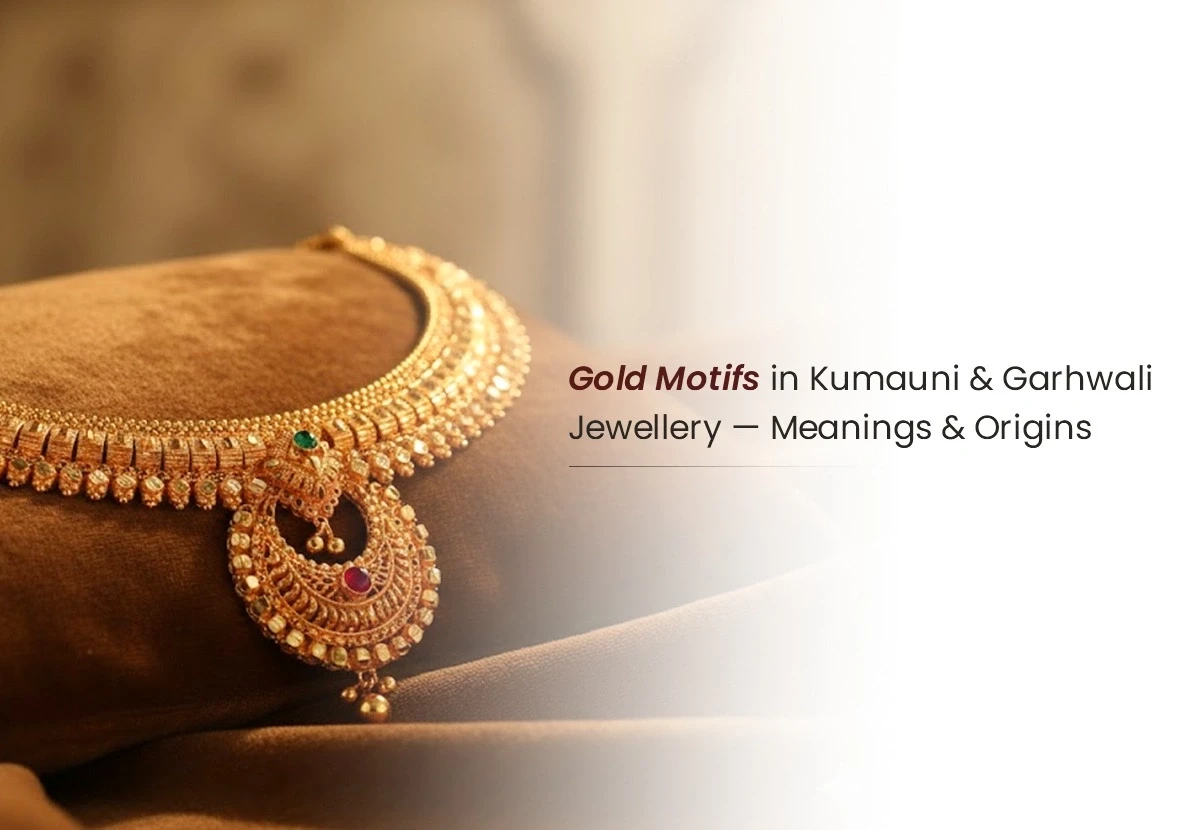
The hills of Uttarakhand are home to a rich heritage of craft and culture. For centuries, the people of the Himalayas have expressed their identity through beautiful gold ornaments. These pieces are not just for show. They carry deep meanings rooted in nature and ancient beliefs. Every curve and pattern tells a story of the mountains. This blog explores the secret symbols hidden in the gold of the Devbhoomi.
The Sacred Language of Himalayan Gold
Gold is considered a pure metal in the hills. People believe it brings good luck and health. The designs often mimic the world around them. Here are the most common motifs found in the region:
The Sun and Moon: These motifs represent eternal life. People wear them to seek the blessings of the gods for a long and happy marriage.
The Lotus Flower: This symbol stands for purity and beauty. It shows how a soul can stay clean even in a messy world, just like a lotus in water.
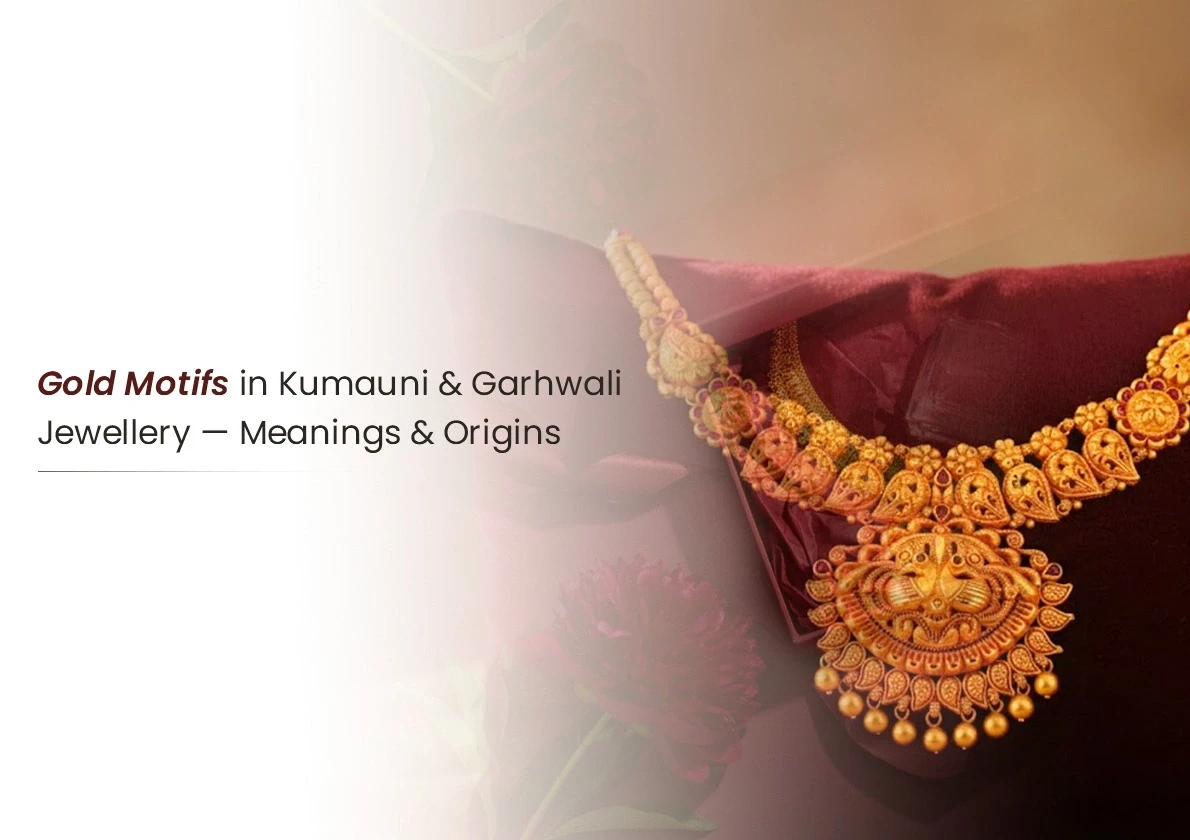
The Peepal Leaf: This leaf is a sign of fertility. It is often seen in the Kumaoni mangalsutra to bless the bride with a growing family.
The Peacock: This bird represents grace and pride. It is a popular motif in Garhwali jewellery because it reflects the colorful beauty of the local forests.
The Fish: This is an ancient symbol of wealth. It is believed that wearing fish patterns will bring prosperity to the household and keep hunger away.
Why Do Uttarakhandi Brides Wear Specific Motifs?
Have you ever wondered why certain patterns are only for married women? Or why some motifs are shaped like seeds? These choices are based on old traditions. For example, the Kumaoni mangalsutra design uses large gold beads. These beads are called 'Chariya.' They represent the seeds of life and the growth of a new generation. According to cultural researchers, over 90% of traditional families in Uttarakhand still prefer these ethnic patterns over modern styles.
Famous Jewelry Pieces and Their Origins
The jewelry of the North is distinct and bold. Each piece has a specific name and a specific reason for its shape.
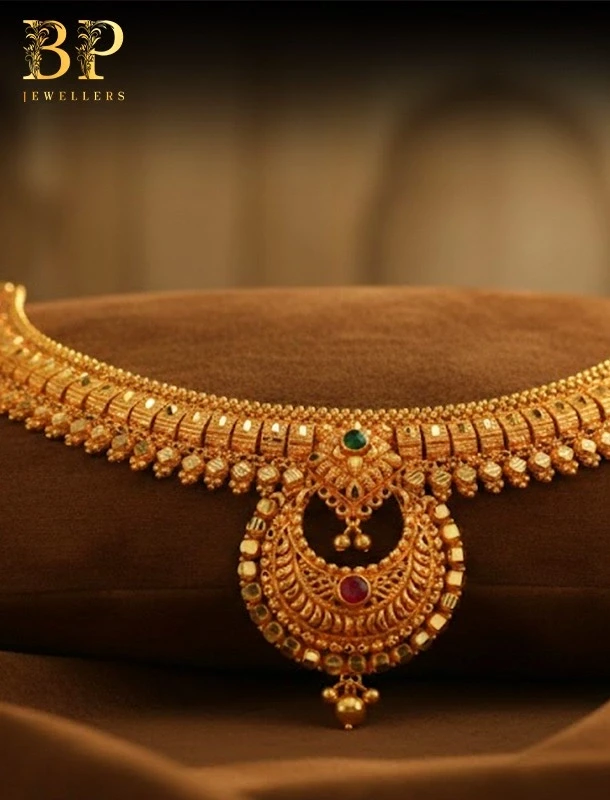
The Galoband: This is a neckpiece worn tight against the throat. It usually features square gold blocks that represent the protection of the family.
The Nath: This large nose ring is a symbol of family honor. In Garhwali jewellery, the size of the Nath often showed the social status of the family.
The Jhumkhis: These bell-shaped earrings are inspired by the flowers found in high-altitude meadows. They represent the music of the mountain winds.
The Pauchi: These are gold bracelets made of small grains. They look like sunflower seeds and symbolize a harvest that never ends for the wearer.
A Legacy of Craftsmanship
I have spent years traveling through the remote villages of Almora and Pauri. I have spoken to old goldsmiths who still use hammers and fire. Seeing them work is like watching history come alive. You can also feel this connection to the past. When you wear a piece from Battulaal Prayag Narayan Jewels, you carry the spirit of the Himalayas with you.
“Traditional jewelry is the silent storyteller of our ancestors,” says Dr. Rawat, a historian of folk arts. This jewelry is a bridge between the past and the present. It keeps the soul of Uttarakhand alive in a fast-changing world.
The Cultural Weight of Gold
How does gold affect the local economy and social life? In many hill communities, gold is the primary form of savings. It is a gift passed from mothers to daughters.
Social Security: Gold acts as a safety net. Families invest in Garhwali jewellery to ensure they have help during tough times or natural disasters.
Ritual Use: Gold is used in almost every ceremony. From the birth of a child to a wedding, gold motifs are essential for the rituals.
Identity: Different valleys have slightly different styles. You can often tell which village a person is from just by looking at the patterns on their neckpiece.
Finding Authenticity in Modern Times
It is hard to find real handmade designs today. Many shops use machines that lose the fine details of the motifs. Battulaal Prayag Narayan Jewels works hard to keep these old methods alive. They focus on the tiny details that make mountain jewelry special.
If you want to own a piece of this culture, you must look for the right symbols. A true Himalayan piece will always feel heavy with meaning. You can experience the same joy of wearing heritage that our grandmothers did. The team at Battulaal Jewels understands the value of every single gold grain.
Final Thoughts on Mountain Motifs
The gold of Uttarakhand is more than an investment. It is a piece of art that breathes with the culture of the land. Whether it is a Kumaoni mangalsutra or a heavy nose ring, the motifs remain sacred. These designs have survived for thousands of years. They connect the people to their roots and their gods. By choosing traditional patterns, we ensure that the stories of the hills are never forgotten.
FAQs
1. What makes Garhwali jewellery different from modern gold designs?
Traditional Garhwali jewellery is unique because it is often handmade by local artisans using 24K gold. Unlike mass-produced modern pieces, these designs use specific symbols from nature, like the sun and moon. The pieces are often larger and more bold because they represent the honor and status of the family in mountain culture.
2. Why is the Kumaoni mangalsutra design so significant for a bride?
The Kumaoni mangalsutra is more than a piece of jewelry. It features a large gold pendant called a 'Chariya,' which is often decorated with motifs of the sun and the goddess Lakshmi. The gold beads are strung on a red thread to represent Shakti, the female power. It is believed to protect the husband and bring growth to the household.
3. Is the gold used at Battulaal Prayag Narayan Jewels authentic?
Yes, Battulaal Prayag Narayan Jewels is famous for its long history of trust, starting from 1915. They focus on maintaining the purity of 24K gold in their ethnic designs. This ensures that every piece of Garhwali jewellery you buy is both a beautiful ornament and a solid financial investment for the future.
4. Can people from outside Uttarakhand wear these traditional pieces?
Anyone who appreciates high-quality art and heritage can wear these designs. Many people choose the Kumaoni mangalsutra design for its elegant and vintage look. Wearing these motifs is a way to respect and celebrate the ancient craftsmanship of the Himalayas, regardless of where you are from.
5. How should I care for my traditional gold jewellery from the hills?
Since authentic Garhwali jewellery is often made with high-purity gold, it can be soft. You should store each piece in a separate silk cloth or a soft box. Avoid using harsh chemicals to clean them. If you buy from Battulaal Prayag Narayan Jewels, you can always seek their expert help to keep your gold shining like new for years.


 Resend Code